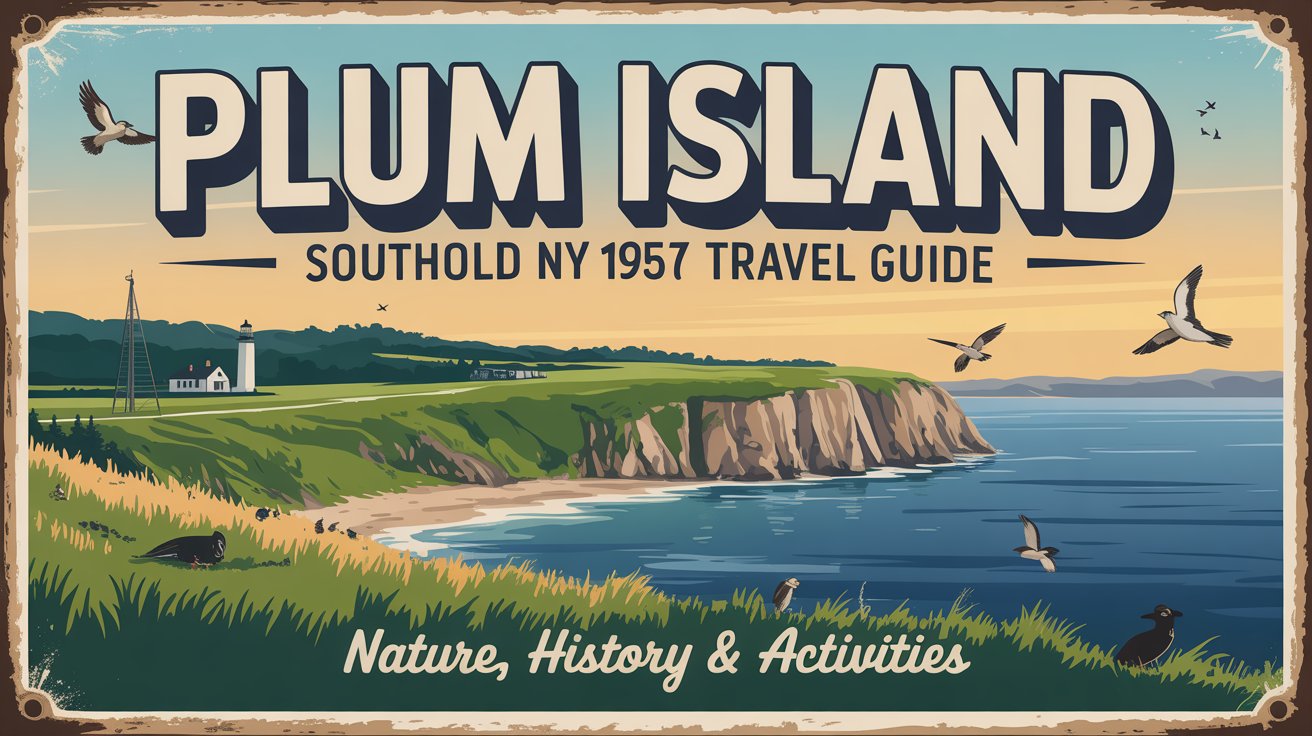
Plum Island is a restricted island near Southold, NY 11957 known for its nature, wildlife, and historical sites. Most of the island is closed to the public, but its geography, ecology, and history are well documented.
Where Plum Island Is
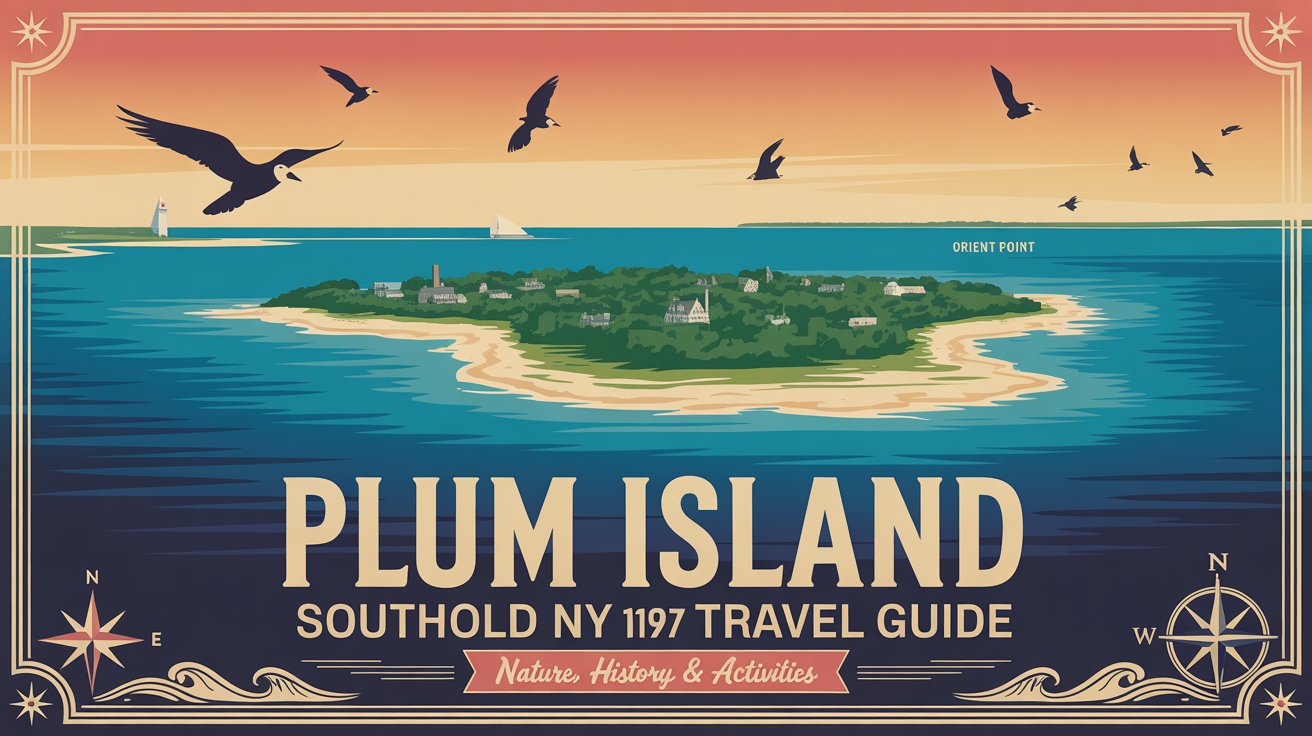
Plum Island is an island off the eastern end of Long Island in Gardiners Bay. It lies just east of Orient Point and close to Fishers Island. The island is part of the Town of Southold in Suffolk County and uses the 11957 ZIP code.
Quick Facts
| Feature | Detail |
|---|---|
| Location | Gardiners Bay, Southold, NY |
| Closest Mainland | Orient Point, NY |
| Size | Around 840 acres |
| Length | About 3 miles |
| Width | Around 1 mile |
| Access | Restricted federal control |
| ZIP Code | 11957 |
The island is under federal control and access by the general public is not allowed. Only authorized personnel and approved visitors enter the island.
Natural Environment
Plum Island’s main importance comes from its relatively untouched natural environment. Though large parts of the island were used in the past for military and research purposes, significant areas remain wild and rich in plant and animal life.
Habitats
The island includes several natural habitats:
- Tidal flats and salt marshes
- Coastal beaches and dunes
- Meadows and grasslands
- Forested areas
These diverse environments support many plants and animals.
Wildlife and Species
Plum Island is part of the Atlantic Flyway, a major bird migration route. Birdwatchers and wildlife experts value the area for its role in supporting many species.
Important animals and plants include:
- Over 200 bird species, including migratory and nesting birds
- Endangered shorebirds like piping plovers
- Roseate terns and other threatened species
- Seals that haul out on rocky shores in colder months
- Saltmarsh grasses and native shrubs such as beach plums
These species thrive because the island sees minimal human disturbance.
Plant Life
The plant communities on the island are essential to its ecosystems. Coastal and saltmarsh plants help stabilize soils, support marine life, and provide food and shelter for birds and small mammals.
Historical Background
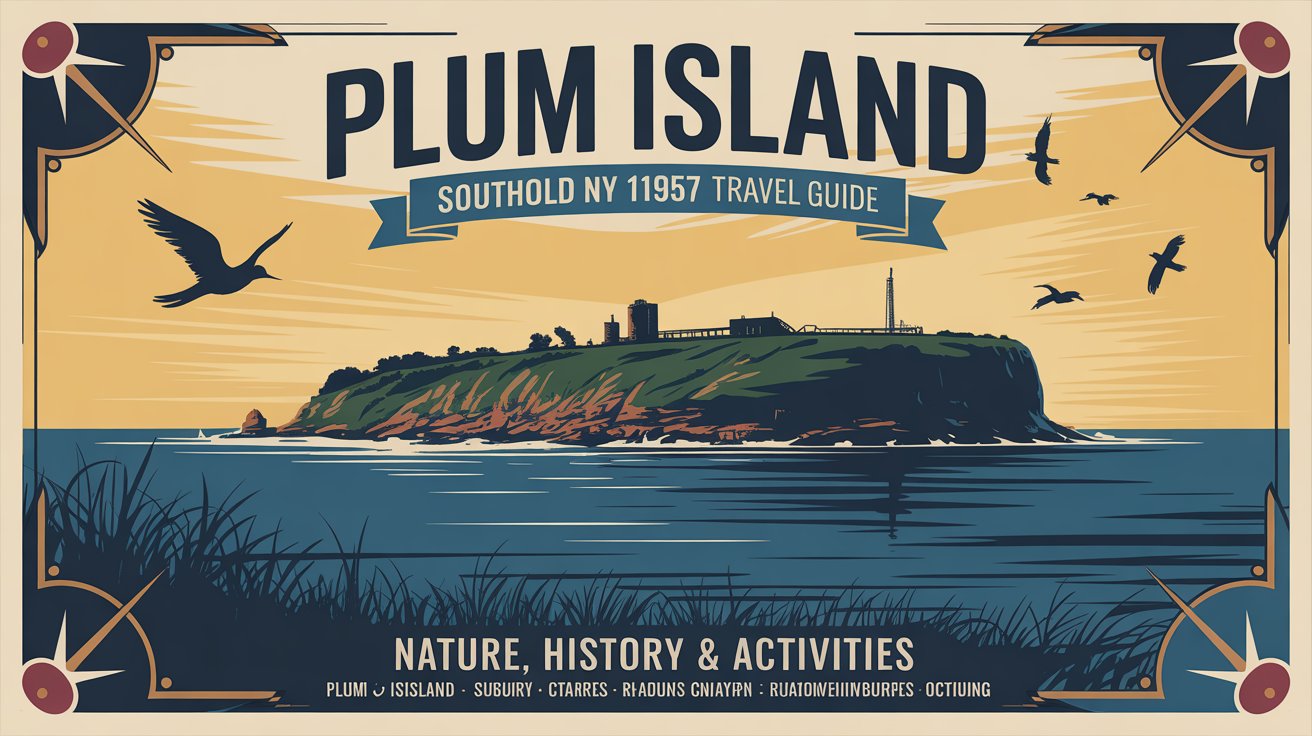
Plum Island has a long history, dating back to before European settlement. Its name comes from the beach plum plants that early settlers and Native Americans found growing there.
Native American Use
The island was once used by local Native American tribes long before Europeans arrived. The original name and early records show that it was a known location for fishing and gathering.
Colonial Era
European explorers charted Plum Island in the early 1600s. The name “Pluym Eyelant” appears on old Dutch maps from around 1640. settlers later traded for ownership in the mid-1600s.
Military Use
In the late 19th century, the United States government purchased Plum Island for coastal defense. It became home to Fort Terry, which served in both World Wars.
Federal Research and Restricted Access
From 1954 onward, Plum Island was the site of the Plum Island Animal Disease Center (PIADC). This research facility studied animal diseases, especially highly contagious livestock illnesses, to protect the U.S. agricultural industry.
Because of the nature of the work done at the facility, the island has strict access controls. Public access is not allowed, and most of the land remains off limits to visitors.
Plum Island Lighthouse
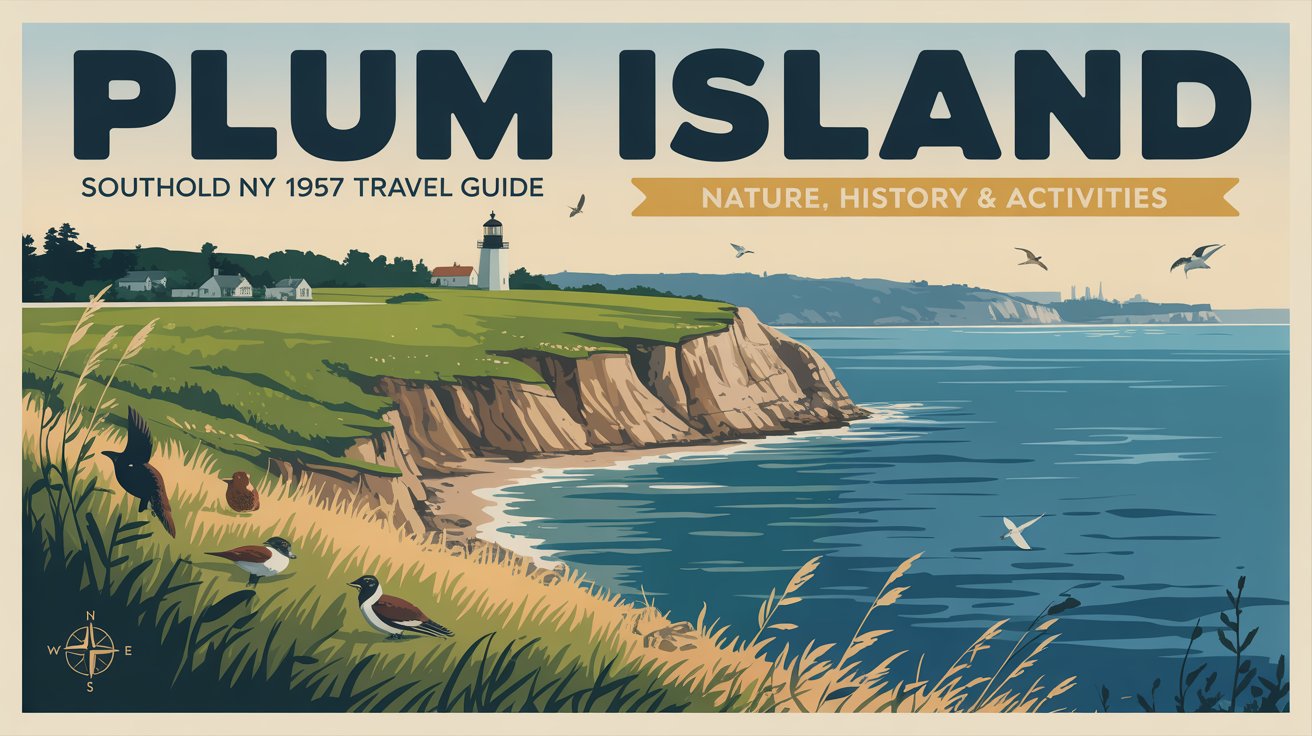
One of the island’s most notable historical features is the Plum Island Light. Built in the 19th century, the lighthouse guided vessels through Gardiners Bay and the entrance to Long Island Sound.
The lighthouse and its keeper’s quarters date from the late 1800s and are listed on the National Register of Historic Places. Though the structure is closed, it remains a key landmark in the island’s history.
Ecology and Conservation Efforts
The combination of restricted access and federal control unintentionally preserved much of Plum Island’s natural environment. Environmental groups and conservation advocates have worked to protect the island as a wildlife sanctuary and preserve its historical resources.
Plans for the island’s future include conservation areas, preservation of historic sites, and potential controlled public access once the research facility operations cease.
Visiting and Tourism
At present, general tourism and independent visits to Plum Island are not possible due to security and safety regulations.
Viewing from Nearby Points
While direct access is restricted, visitors can view parts of Plum Island from:
- Orient Point beaches and shorelines
- Nearby boat routes and ferries
- Kayak or private boat from a distance (subject to safety and legal guidelines)
These vantage points offer distant views of the island’s natural features and historic structures.
Nearby Places and Activities
Though Plum Island itself is closed, the surrounding region offers outdoor and nature activities:
- Southold and North Fork beaches for swimming, fishing, and beachcombing
- Local wildlife refuges and parks for birdwatching
- Boat tours and coastal cruises in Long Island Sound
These nearby options allow visitors to enjoy the ecology and maritime character of the area around Plum Island.
Nearby infrastructure projects on Long Island often rely on advanced solutions like Prysmian Group Medium Voltage Cable Systems for reliable power distribution.
Safety and Access Information
Plum Island’s restricted status is due to its federal research facility and protective rules that prevent public entry. Anyone planning to approach the island by water should be aware that security patrols and federal personnel monitor access and will enforce restrictions.
Visitors and residents in Southold should also be aware of local vehicle regulations, including Byron Thomas Williams Vehicle Licensing Penalties, to avoid fines while exploring the area.