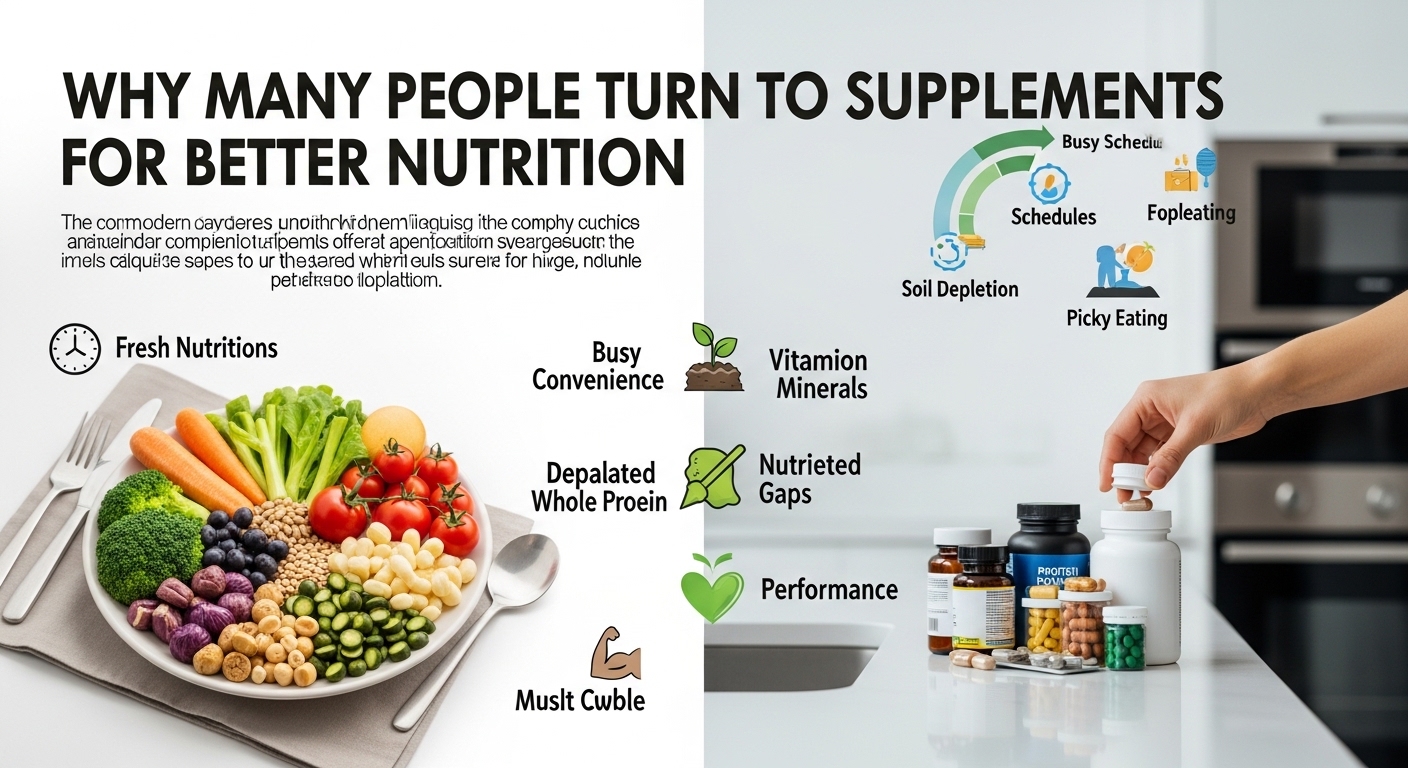
Modern life presents numerous challenges when it comes to maintaining optimal nutrition, which is why millions of people worldwide have started incorporating dietary supplements into their daily routines. Despite all the talk about healthy eating these days, many individuals find it genuinely difficult to obtain all the essential nutrients their bodies need from food alone. The growing popularity of nutritional supplements reflects a fundamental shift in how people approach their health and wellness. More and more people are recognizing that even the most balanced diet may sometimes fall short of meeting all nutritional requirements.
The Gap Between Ideal and Real-World Nutrition
The standard recommendation to “eat a balanced diet” sounds simple in theory but proves remarkably challenging in practice for most people. Busy schedules, limited access to fresh produce, budget constraints, and lack of cooking skills all contribute to nutritional gaps that affect even those with good intentions. Many individuals rely on processed foods and restaurant meals that often lack the nutrient density of whole foods prepared at home. Here’s something worth considering: the modern food supply has changed significantly over the decades.
Addressing Specific Dietary Restrictions and Preferences
Various dietary choices and medical necessities create situations where certain nutrients become particularly difficult to obtain from food sources alone. Vegetarians and vegans, for instance, face genuine challenges getting adequate vitamin B12, iron, zinc, and omega-3 fatty acids from plant-based foods exclusively. Those with food allergies or intolerances to dairy, gluten, or other common foods may struggle to meet calcium, vitamin D, and other nutritional requirements. People following low-carbohydrate diets might miss out on certain B vitamins and fiber typically found in grains.
Supporting Increased Nutritional Demands During Life Stages
Certain periods of life bring heightened nutritional requirements that exceed what typical dietary patterns can easily provide. Pregnancy and breastfeeding dramatically increase the need for folate, iron, calcium, and numerous other nutrients essential for maternal health and fetal development. Athletes and highly active individuals require greater amounts of protein, electrolytes, and other nutrients to support performance and recovery. Aging adults often need additional calcium, vitamin D, and B vitamins due to decreased absorption efficiency and changing metabolic needs.
Preventing and Addressing Common Nutritional Deficiencies
Despite living in societies with abundant food availability, nutritional deficiencies remain surprisingly common across all demographics. Vitamin D deficiency affects a substantial portion of the population, particularly those living in northern latitudes with limited sun exposure or individuals who spend most of their time indoors. Iron deficiency remains the most prevalent nutritional deficiency worldwide, especially among women of childbearing age and young children. Many adults fail to consume adequate magnesium, a mineral crucial for hundreds of bodily functions, due to insufficient intake of nuts, seeds, and leafy greens. Omega-3 fatty acid intake often falls short for those not regularly consuming fatty fish. When addressing bone health and calcium absorption, professionals who need to support cardiovascular wellness and maintain optimal vitamin levels often explore D3 K2 benefits for their combined synergistic effects. These widespread deficiencies contribute to various health issues including fatigue, weakened immunity, poor bone health, and increased disease risk. Supplementation offers a straightforward approach to correcting these common deficiencies when identified through blood tests or recognized through symptoms.
Convenience and Consistency in Modern Lifestyles
The fast-paced nature of contemporary life makes consistent, optimal nutrition challenging to achieve through food preparation alone. Supplements provide a convenient, portable solution that fits seamlessly into busy schedules without requiring meal planning, shopping, or cooking time. The consistency of dosage in supplements eliminates guesswork about whether nutritional needs are being met on any given day. Traveling, irregular work hours, and unpredictable daily routines all disrupt normal eating patterns, making supplements a reliable backup to maintain nutritional adequacy.
Growing Health Awareness and Preventive Care
Increased access to health information has created a more proactive, prevention-focused approach to wellness among consumers. People are becoming more educated about the connections between nutrition and chronic disease prevention, mental health, energy levels, and longevity. This knowledge motivates many to optimize their nutritional status rather than simply avoiding obvious deficiencies. The rise of personalized medicine and nutrient testing enables individuals to identify their specific needs and tailor supplementation accordingly.
Conclusion
The widespread adoption of nutritional supplements reflects the intersection of modern lifestyle challenges, dietary limitations, increased health awareness, and practical convenience needs. While supplements should not replace whole foods as the foundation of good nutrition, they serve valuable roles in addressing gaps, supporting special requirements, and promoting optimal health. As people become more educated about nutrition and personalized wellness, supplement use will likely continue growing as a complement to healthy eating habits.