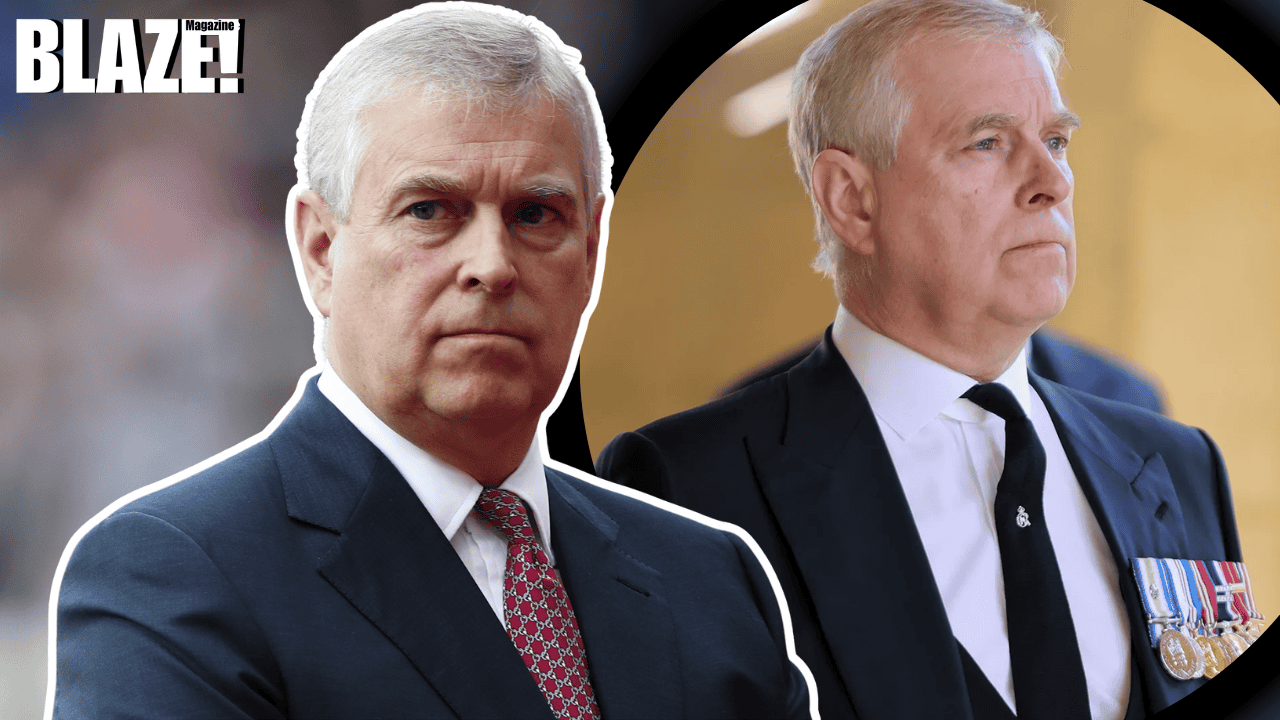
Yes. recent company accounts show large sums were withdrawn from the commercial arm of Prince Andrew’s Pitch@Palace project. The filings say a big chunk of the cash was taken out and the company has since been put into winding up.
Prince Andrew Biography Overview
| Detail | Information |
|---|---|
| Full Name | Prince Andrew Albert Christian Edward |
| Title | Duke of York |
| Date of Birth | February 19, 1960 |
| Age | 65 years (as of 2025) |
| Birthplace | Buckingham Palace, London |
| Parents | Queen Elizabeth II, Prince Philip |
| Siblings | King Charles III, Princess Anne, Prince Edward |
| Marital Status | Divorced |
| Former Spouse | Sarah Ferguson |
| Children | Princess Beatrice, Princess Eugenie |
| Profession | Former working royal, naval officer |
| Military Service | Royal Navy (1979–2001) |
| Estimated Net Worth | Around $5 million to $10 million |
| Residence | Royal Lodge, Windsor |
| Known For | Royal duties, Pitch@Palace initiative, public controversies |

What the accounts actually show
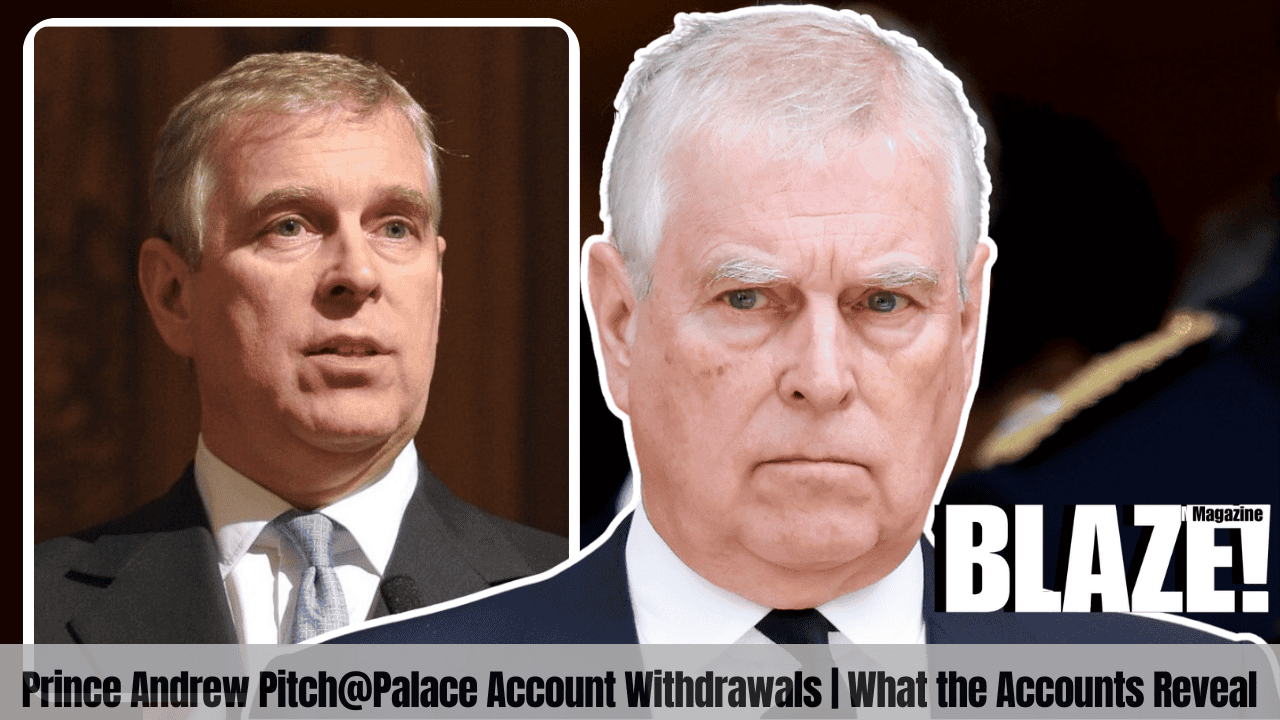
The company behind the initiative saw its cash drop dramatically over a single reporting year. Funds fell from roughly £455,000 to about £221,000 in the 12 months up to 31 March 2024, filings show.
A later corporate filing indicates the business is being wound up and that the remaining balance has been reduced to a very small figure. Those later accounts show almost all remaining funds had been removed.
The formal papers do not spell out exactly who received the money or the specific purpose of each withdrawal. That lack of detail is what prompted public questions and press coverage. No clear recipient was named in the accounts.
Why people are concerned
First, the project carried the Duke of York’s profile and that drew attention to how public-facing ventures are handled. Any unexplained movement of cash looks bad when a high-profile name is involved. Transparency matters more with famous patrons.
Second, the accounts and associated reporting arrived alongside other sensitive revelations about the project’s international links. That context amplified concern and media scrutiny. Links to individuals later flagged for security reasons added fuel to the story.
Finally, people expect a clear audit trail when funds are tied to a branded initiative. The absence of explicit payment details leaves room for speculation, which rarely helps anyone. Silence on specifics creates reputational risk.
Public interest in high-profile figures often goes beyond finances and controversy, just like the curiosity people show about celebrity details such as Lil Boosie Height And Weight, where public image and perception also play a major role.
Who signed off and who’s been named in reporting
The withdrawals were recorded in filings signed by the company’s sole director at the time, Arthur Lancaster. The paperwork itself does not include an itemised explanation for each withdrawal.
Press coverage has also focused on a Chinese businessman, Yang Tengbo, who previously had ties with the Pitch@Palace network and later became controversial for alleged security concerns. That relationship has been cited in reporting about how the project operated internationally.
Separately, later reporting around the entrepreneur platform’s closure mentions formal steps to wind down related business interests. That process narrowed the organisation’s remaining cash to a nominal sum. Winding-up filings make clear the commercial arm is being shut.
What this means for Pitch@Palace and the wider picture
With the commercial arm being wound up, the practical impact is the project’s international operations are effectively over as they were. That reduces the chance of future activity under the same structure. The brand is no longer operating at scale.
For people interested in governance and ethics, the episode is a reminder about the need for clear accounting and public disclosure when notable figures front commercial or semi-public ventures. Expect calls for better clarity on how funds were used. Clear accounts prevent long tails of suspicion.
For the Duke himself, the financial paperwork and the publicity around it add to an already sensitive set of headlines about his post-royal activities. That context is part of why media and the public have stayed interested. Context changes how the same numbers read.
Questions around transparency and credibility are not unique to royal-linked ventures, as seen in debates like Is Charles Floate A Scammer, where online businesses face similar scrutiny over trust and financial clarity.

Quick takeaway and next steps to watch
If you want the bottom line: the filings show large withdrawals, no clear public explanation for each withdrawal, and a formal winding up of the commercial arm. That combination explains the coverage and the lingering questions.
If this matters to you, watch for any follow-up filings at Companies House or statements from the people involved. Regulators or journalists may dig into transaction-level detail if they find cause. Future company filings or formal responses could change the picture.