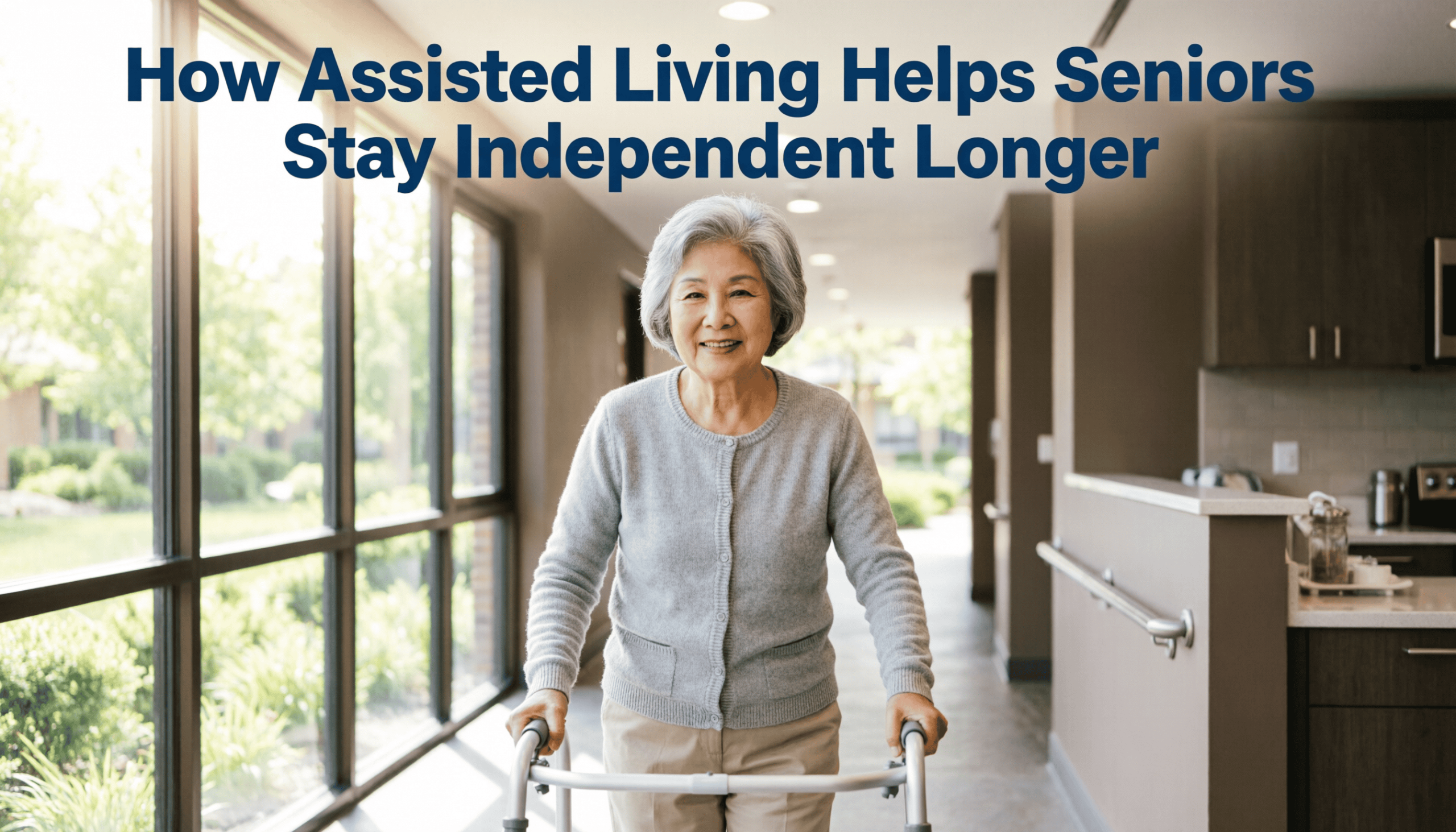
As people grow older, holding onto independence becomes increasingly difficult, yet it’s one of the most vital components of a fulfilling senior life. Many older adults and their families find themselves wrestling with tough questions about when to seek help and how to do so without sacrificing dignity or autonomy. Assisted living communities have become a practical middle ground, offering just the right amount of support while empowering seniors to stay in charge of their daily routines. By understanding what these communities actually offer, families can make thoughtful, well-informed decisions about care that truly honors their loved ones’ needs and wishes.
Personalized Care That Adapts to Individual Needs
What makes assisted living particularly effective at supporting independence is the personalized approach to care. There’s no cookie-cutter formula here, staff members take time to sit down with residents and their families, mapping out exactly where help is needed and where it isn’t. Maybe someone needs assistance with medication reminders or getting in and out of the shower, but they’re perfectly capable of dressing themselves and choosing their daily activities. These care plans aren’t set in stone either.
Safe, Accessible Living Environments
The way assisted living spaces are designed plays a huge role in helping seniors maintain their freedom. These aren’t just regular apartments with a few modifications thrown in, every detail is considered with aging bodies in mind. Grab bars positioned strategically in bathrooms, emergency call buttons within easy reach, and wide doorways that accommodate wheelchairs all work together to let residents move about freely without constant supervision. You’ll find bright lighting throughout, non-slip flooring, and layouts that eliminate tricky stairs or narrow passages.
Relief from Household Maintenance Burdens
Keeping up with household chores becomes genuinely overwhelming as physical abilities decline. The endless cycle of cleaning, laundry, yard work, and home repairs can drain every bit of energy a person has. For families exploring options, assisted living in New Orleans and similar communities take these exhausting responsibilities completely off the table. Housekeeping services handle the cleaning, laundry gets done without residents lifting a finger, and maintenance crews keep everything in working order. This isn’t just about convenience, it’s about redirecting precious energy toward things that actually matter. Instead of spending the day scrubbing floors or fretting about a leaky faucet, residents can pursue hobbies, spend time with friends, or simply relax without guilt. When you’re not constantly stressed about home upkeep, you’ve got mental and physical space to actually enjoy life on your own terms.
Social Connections That Combat Isolation
Few things threaten senior independence quite like loneliness and isolation. When you’re cut off from regular social contact, depression can creep in, mental sharpness can fade, and the motivation to take care of yourself often disappears. Assisted living communities naturally combat this through built-in social opportunities, organized activities, shared meals, and the simple fact that neighbors are right there. These regular interactions keep minds active, lift spirits, and create a genuine sense of belonging that keeps people motivated to stay engaged with life.
Transportation and Access to Community Resources
For many seniors, losing the ability to drive safely marks a major turning point in their independence. Suddenly, getting to doctor appointments, the grocery store, social events, or even church becomes a complex logistical challenge. Assisted living communities typically offer scheduled transportation that keeps residents connected to the world beyond their walls without depending on family members or risking unsafe driving. This reliable access means seniors can still attend medical appointments, participate in community activities, visit friends, and handle personal errands according to their own schedule.
Professional Healthcare Coordination
Juggling multiple prescriptions, coordinating appointments with various specialists, and trying to make sense of confusing healthcare systems can quickly become overwhelming. Mistakes happen, and those mistakes can seriously compromise both health and independence. Assisted living communities employ trained professionals who help residents navigate these complexities without taking away their right to make personal healthcare decisions. Staff members provide medication reminders to ensure prescriptions are taken correctly and on schedule, but they’re not controlling the process, they’re supporting it.
Conclusion
Assisted living communities offer something valuable that’s often misunderstood, they’re designed to extend independence, not diminish it. Through personalized care approaches, thoughtfully designed environments, household assistance, social engagement, reliable transportation, and professional healthcare support, these communities systematically remove the barriers that typically chip away at autonomy. The real magic happens in respecting what residents can still do while stepping in to help with what’s become difficult or dangerous. Families considering care options might be surprised to discover that assisted living can actually prolong the years their loved ones maintain control, dignity, and genuine quality of life.