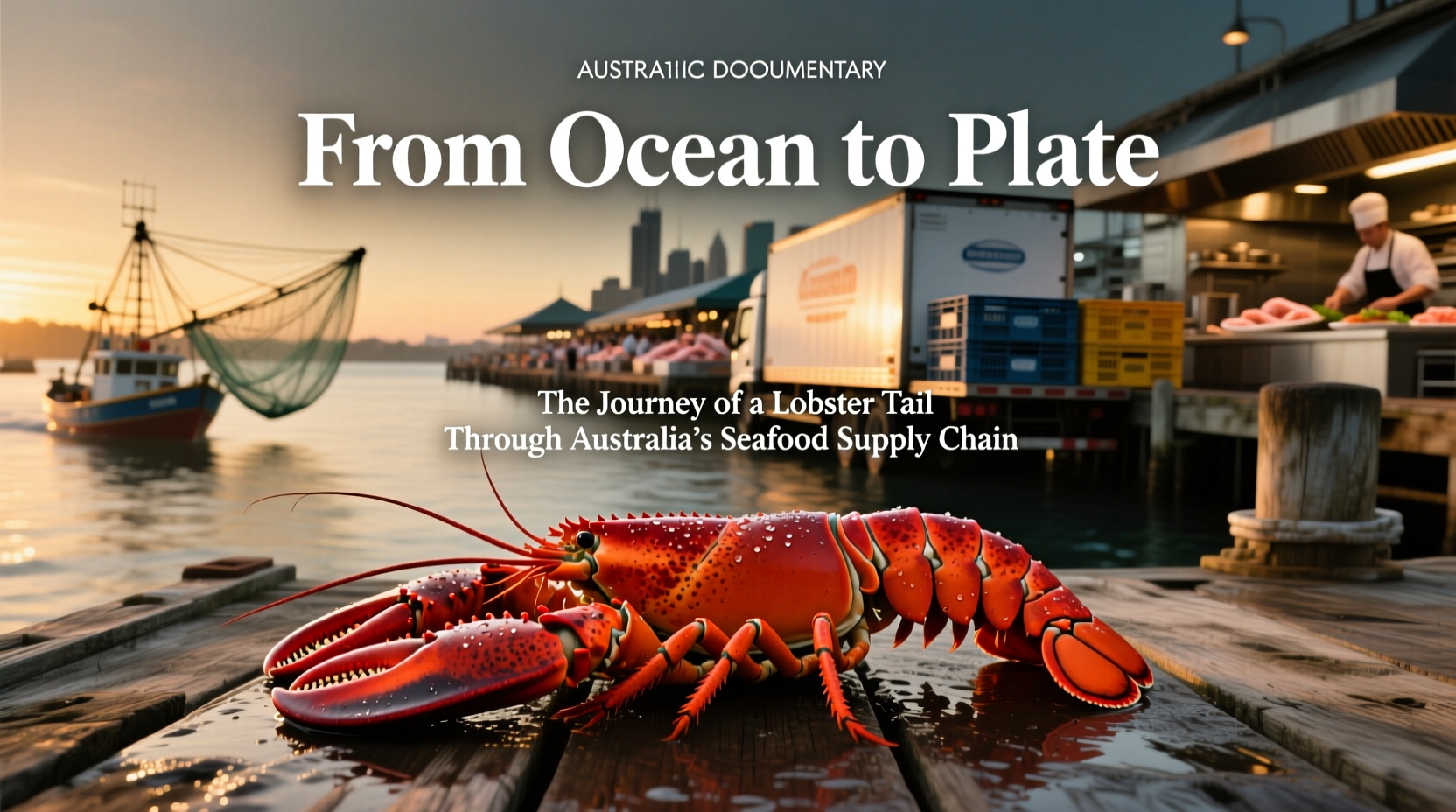
Australia is known for producing good quality seafood and few things are as tempting to food lovers as a lobster tail. Whether it’s at a high end restaurant or home kitchen, the meat of a lobster tail is the taste of luxury as well as culinary skills needed to cook it. But the path a lobster tail takes from ocean to plate is complicated and requires warm hand-holding, strict government regulations, and meticulous handling to ensure freshness and sustainability. Following this trip would help answer what it takes to make every bite to be able to say that.
Catching the Lobster
The journey begins in Australia’s coastal waters, particularly off the western and southern coasts where lobster populations are abundant. Commercial fisheries employ specialized traps and pots designed to catch lobster without harming the surrounding ecosystem. These traps are checked frequently to minimize stress on the lobster and ensure only legally sized specimens are harvested. Fishers adhere to strict seasonal quotas and size regulations, which protect lobster populations and support sustainable fishing practices.
The importance of the lobster handling was immediate post- capture, not after holding. Fishermen gently pull lobster from traps and put them in aerated tanks or holding buckets that simulate natural environment. This releases stress and maintains the flavor and texture of the meat. Healthy, whole lobster are the foundation for a quality product the discerning seafood lover will appreciate.
Processing and Grading
After being transported to processing plants, lobster tails are sorted and graded. Size and weight are two critical things that influence the market and food usage. Cleaning and sometimes pre-cooking or freezing of the tail to enhance shelf life while maintaining quality, are among the processing activities. A cold water chain from sea to processing must be observed at all times as even a temperature deviation could affect the delicate flavor and texture of the lobster tail.
State-of-the-art facilities closely monitor and handle the lobster to deter stress, ensuring the meat remains as naturally sweet and firm as possible. Grading also provides the suppliers the opportunity to match the appropriate lobster tail for the end user market – be it for top restaurants, supermarkets or for direct consumer delivery.
Transportation and Distribution
The next leg of the trip is for the lobster tails to be flown out to markets in Australia and around the world. Temperature-controlled logistics are crucial and fast. Most tails are shipped live in specialized containers that maintain oxygenation and water quality, while frozen or refrigerated goods are held at suitable temperatures to maintain freshness.
The distribution networks are tightly managed. Domestic distributors deliver fast, giving restaurants lobster tails with which to cook that are as close to peak freshness as possible. Cold chain logistics for international markets begin at the processing facility and continue to the export terminals, where they then travel by air or sea freight to the retailers or food providers. Spoilage must be vigilantly avoided at all stages of transportation to retain the high quality that Australian lobster is renowned for.
From Supplier to Plate
Upon arrival at restaurants, seafood markets, or direct-to-consumer services, the lobster tail is prepared for sale or immediate cooking. Chefs rely on the consistent quality of the product, which allows them to create exquisite dishes that highlight the natural flavor of the lobster. Even in home kitchens, the journey from ocean to plate ensures that consumers enjoy a product that has been responsibly sourced and carefully handled.
Cooking methods vary widely, from steaming and boiling to grilling and broiling. Regardless of preparation, the journey of the lobster tail influences its taste, texture, and appearance. Freshness and proper handling make all the difference, which is why understanding the supply chain is essential for appreciating the quality of Australian lobster.
Conclusion
The path of a lobster tail from the waters of Australia to the plate is a logistical dance involving sustainability, quality and availability. And the very way the lobster is caught and then handled, graded and shipped is intended to maintain the product’s integrity. This careful processing not only results in dramatically better taste, but also in a story that you can be proud of telling while dining. Understanding the intricacies of the supply chain behind a lobster tail can help diners appreciate this iconic seafood and the work it takes to bring one of the world’s most luxurious treats from ocean to plate.