Dr. Merlyn Purdy is a licensed clinical psychologist and clinician known for work in neurotherapy and QEEG, who earlier had ties to the stage and is publicly recognized as the mother of actress Michelle Hurd.
She runs a practice focused on brain-based therapies and has decades of clinical experience. Her work bridges traditional psychotherapy and neurofeedback approaches.
Below I unpack what we know about her background, clinical focus, and why her story often appears alongside family and performing-arts histories.
Biography Overview of Dr. Merlyn Purdy
| Detail | Information |
|---|---|
| Full Name | Dr. Merlyn Purdy |
| Profession | Clinical Psychologist, Neurotherapy Practitioner |
| Known For | Neurofeedback, QEEG brain mapping, psychotherapy |
| Education | Doctorate in Psychology |
| Years Active | Over 40 years in clinical practice |
| Age | Not publicly disclosed |
| Net Worth | Not publicly disclosed |
| Marital Status | Married |
| Spouse | Hugh Hurd (Actor) |
| Children | Michelle Hurd (Actress), Adrienne Hurd |
| Specializations | Neurotherapy, Biofeedback, Mental Health Treatment |
| Public Appearances | Clinical conferences, StoryCorps interview |
| Residence | United States |

From stage to the therapy room
Dr. Merlyn Purdy began her life around performing arts and theater before fully shifting into psychology. Several bios and family histories note her early acting background and connections to Broadway.
That theatrical experience shaped how she talks about identity, race, and family in interviews. You can hear her remembering those years in a recorded StoryCorps conversation with her daughter. The recording gives a personal window into family life and social challenges they faced.
Switching fields is not uncommon among performers who move into counseling. In her case the transition led to a long career helping people with both talk therapy and brain-training methods.
Clinical credentials and what she practices
Dr. Merlyn Purdy holds a doctoral degree in psychology and is presented in professional directories as a PhD-level clinician. She trained clinically and has over 40 years of experience.
Her practice includes traditional psychotherapy, biofeedback and neurofeedback, and work with QEEG brain-mapping. These techniques aim to help conditions like anxiety, attentional issues, and seizure-related challenges by training brain activity patterns.
Clients and conference listings reference her role as both a clinician and a trainer, indicating she has worked in program leadership roles at times in her career.

Neurotherapy and QEEG — what that means in plain terms
When people say she does neurotherapy they mean she uses brainwave monitoring and feedback to help people change how their brain functions. QEEG stands for quantitative electroencephalography, which maps electrical patterns in the brain.
Neurofeedback sessions are noninvasive. Patients get real-time signals about their brain rhythms and learn to shift toward healthier patterns. Practitioners like Dr. Merlyn Purdy combine that with psychotherapy for a fuller clinical approach.
This area is growing in clinical settings and is used as an adjunct to traditional therapy for several neurological and psychological issues.
Family, public presence, and notable connections
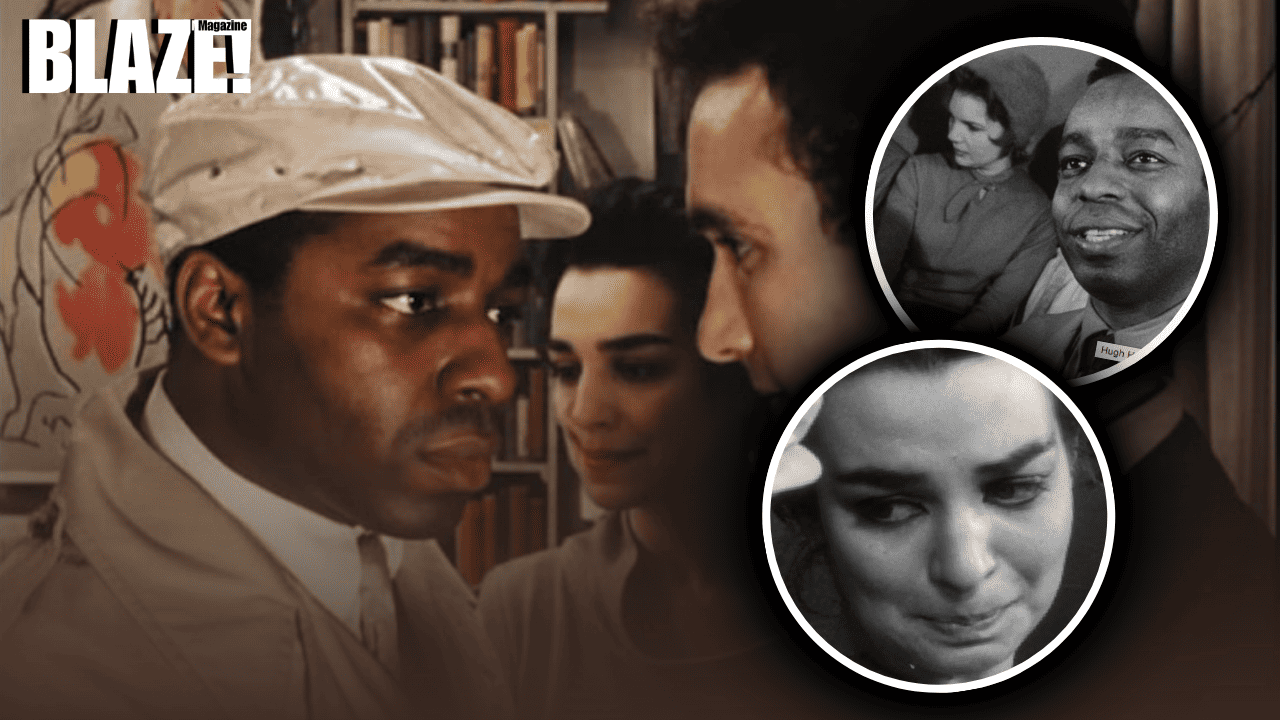
You’ll often see Dr. Merlyn Purdy linked to her family story. She married actor Hugh Hurd and their household has been part of New York’s artistic world for decades. Their daughter Michelle Hurd is a well known actress. These family ties appear in multiple biographies and oral-history interviews. That personal history shows how art and mental health intersect in one family’s story.
The StoryCorps interview with Merlyn and her daughter Adrienne is a good first-hand source if you want to hear her voice and memories. It’s both intimate and historically useful for understanding their era.
Outside family lore, her professional profile surfaces at conferences and on clinic listings where her neurotherapy work is described.
If you’re interested in individuals connected to creative and intellectual family backgrounds, you may also want to read about Ezra Samuel Reiser, whose life reflects a similar blend of personal identity and public curiosity.
Why people look her up today
People search Dr. Merlyn Purdy because she represents a rare blend of theater background and serious clinical practice. That combination makes her story appealing to readers who follow performers turned clinicians and to families exploring neurotherapy options.
Her practice and conference talks make her relevant to clinicians interested in QEEG and to patients looking for alternative or adjunctive brain-based treatments. That clinical focus is what keeps her name appearing in professional and public sources.
If you want deeper primary sources, check the StoryCorps conversation for memories and the neurotherapy conference and clinician listings for professional details.
Readers who explore psychology, education, or influential personal journeys often find stories like Martha Sheyla Flores equally compelling due to their focus on impact rather than publicity.