Bruno Mars is of mixed Filipino, Puerto Rican, and Ashkenazi Jewish descent. His mother came from the Philippines and his father was both Puerto Rican and of Ashkenazi Jewish ancestry.
Bruno Mars Biography Overview
| Detail | Information |
|---|---|
| Full Name | Peter Gene Hernandez |
| Stage Name | Bruno Mars |
| Date of Birth | October 8, 1985 |
| Age | 40 years old |
| Birthplace | Honolulu, Hawaii, United States |
| Nationality | American |
| Ethnicity | Filipino, Puerto Rican, Ashkenazi Jewish |
| Father | Peter Hernandez |
| Mother | Bernadette San Pedro Bayot |
| Siblings | Five |
| Profession | Singer, songwriter, record producer |
| Genres | Pop, R&B, funk, soul |
| Years Active | 2004 to present |
| Net Worth | Approximately 175 million USD |
| Marital Status | Not married |
| Known For | Grammy Award winning music career |
Family background and birth
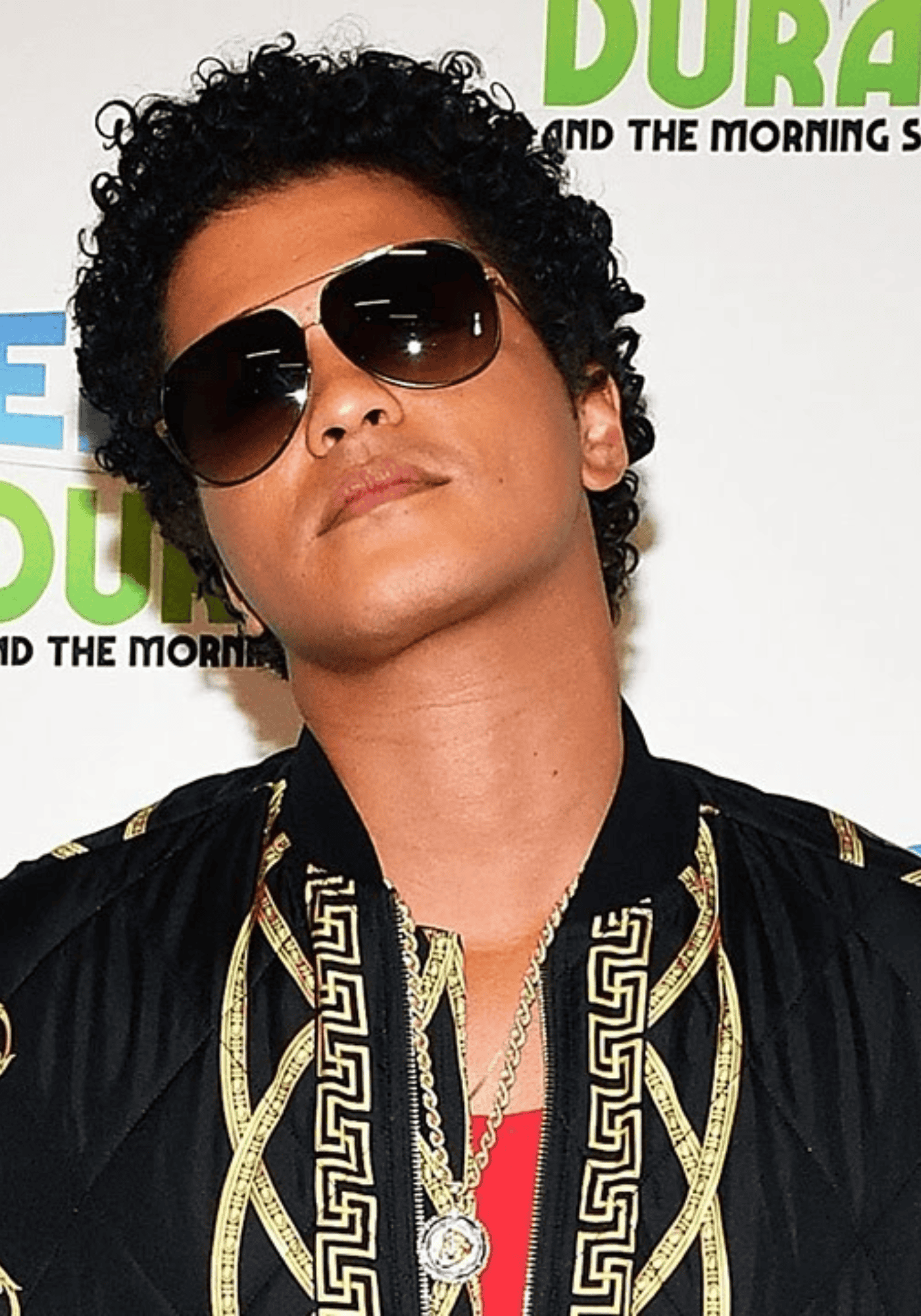
Bruno Mars was born Peter Gene Hernandez on October 8, 1985, in Honolulu, Hawaii. He grew up in the Waikīkī neighborhood and performed with family shows from an early age.
His parents are Peter Hernandez and Bernadette San Pedro Bayot. Both parents worked in live entertainment when they met in Hawaii; his mother danced hula and sang and his father played percussion.
He is one of six children and has spoken about a close musical family. Multiple interviews and profiles note the family’s long-running show business presence in Honolulu.
Official biographical sources and mainstream profiles list his birth name, parents, and the broad outlines of his ancestry. Public records and reputable profiles summarize these same family facts.
Mother’s Filipino and Spanish roots
Bruno Mars’s mother, Bernadette San Pedro Bayot, was born in the Philippines and later moved to Hawaii. She worked as a hula dancer and singer before and after emigrating.
Profiles and local Philippine coverage confirm her Filipino origin and cultural role in the family’s performances. Her background is commonly described as Filipino with some Spanish ancestry.
Trusted biographies and journalism pieces highlight that Mars has visited the Philippines with family and acknowledged his mother’s heritage. These visits and interviews are often used to show his Filipino links.
Family interviews and obituaries about Bernadette Bayot also describe Filipino values and traditions in Bruno Mars’s upbringing. Journalistic sources summarize how this part of his heritage shaped family life.
Father’s Puerto Rican heritage
Bruno Mars’s father, Peter Hernandez, is publicly identified as having Puerto Rican roots. He grew up in Brooklyn and brought Puerto Rican cultural influences into the family.
In interviews Bruno has mentioned his father’s Puerto Rican background and family name Hernandez. Media coverage often cites his father’s origin when describing Bruno’s mixed heritage.
Puerto Rican identity in the Hernandez household appears alongside other influences such as American and New York musical traditions. Profiles describe the father’s work as a musician and how he shaped Bruno’s early stage life.
Public statements and magazine features sometimes quote Bruno or family members about Puerto Rican culture in the home. These accounts form the basis for reporting on that side of his ancestry.
Father’s Ashkenazi Jewish ancestry
Bruno Mars’s paternal ancestry also includes Ashkenazi Jewish roots traced to Hungary and Ukraine. This Jewish lineage is described in multiple biographical sources.
Genealogical summaries and features note that one branch of his father’s family practiced or identified as Jewish. Several articles in Jewish and general interest outlets have covered this element.
The Jewish ancestry is part of his broader European heritage that comes through his father. Writers and researchers point to eastern European origins while noting the family’s Puerto Rican identity as well.
Sources vary in the level of genealogical detail offered, but mainstream profiles consistently include the Ashkenazi Jewish reference when summarizing his family background.
How Bruno Mars has publicly referred to his heritage
In interviews Bruno Mars has acknowledged his Puerto Rican name and family stories about his father. He has pushed back on claims that he downplays Puerto Rican heritage.
He has also celebrated his Filipino connections publicly, including family trips and interviews that reference his mother’s origin. Filipino press and lifestyle outlets frequently cover those visits.
Journal profiles tend to present all three ancestry lines together as the factual record. Many major outlets use the same summary: Filipino mother, Puerto Rican and Ashkenazi Jewish father.
When asked about identity, Bruno has focused on family and music rather than formal ethnic labels. Reporters often reference family background to explain cultural influences in his work.
For comparison with other public figures, you may also want to read about Kaitlan Collins Ethnicity and how her background is documented in trusted sources.
Cultural influence on his life and music
Bruno Mars grew up performing in a family show that mixed Hawaiian, Filipino, Puerto Rican, and American styles. Early stage work exposed him to many musical genres and cultural forms.
His music blends R&B, funk, soul, pop, reggae, and Latin rhythms in ways that critics link to a multicultural upbringing. Reviewers and profiles often point to his diverse background as one factor in his stylistic range.
Family stories, touring, and local Honolulu shows gave him practical performance experience from childhood. That combination of family training and cultural exposure appears in both his stagecraft and musical choices.
Writers and music journalists use his mixed heritage to explain variety in his sound rather than to assign a single cultural label. This view comes from profiles that link biographical facts to his artistic output.
Documentation and reliable sources
Public records, mainstream biographies, and major news profiles form the basis for reporting on Bruno Mars’s ancestry. Sources include well-known outlets and compiled biographies.
Reputable profiles such as those in People, GQ, and established encyclopedias summarize family origins with consistent details. These outlets cite interviews, family statements, and historical records.
Specialty outlets in Jewish and Filipino media have also reported on specific ancestral lines, adding context and cultural perspective. Together, these sources create a consistent public record.
Readers interested in celebrity heritage can also explore Catherine Rusoff Ethnicity to understand her cultural and family background in detail.