Quick summary
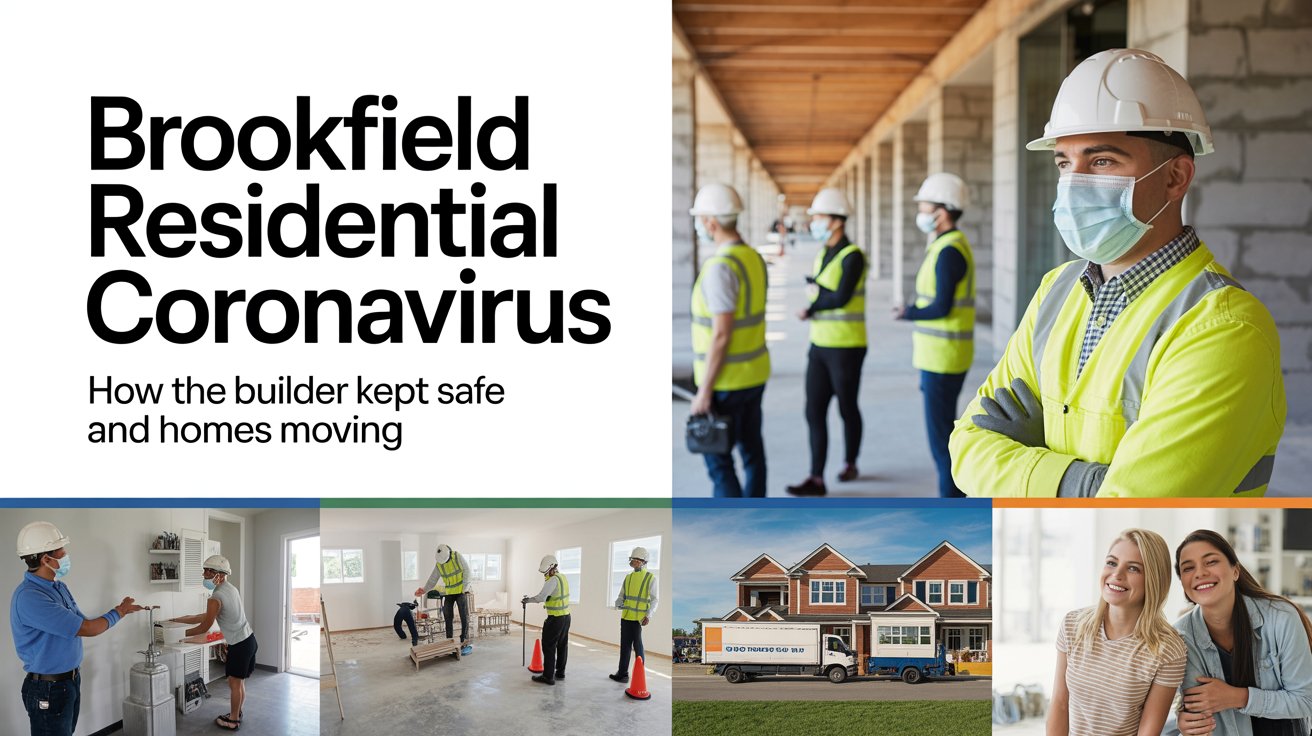
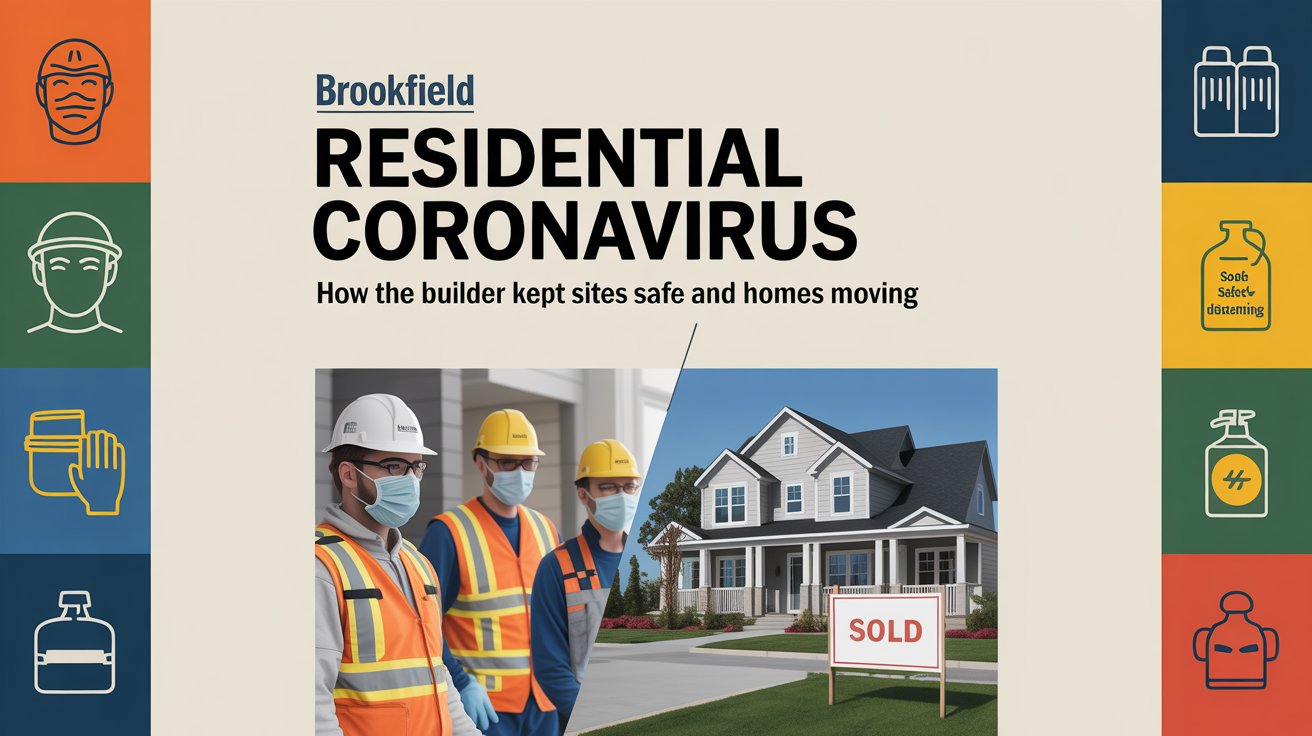
Brookfield Residential Coronavirus response focused on keeping construction moving while protecting workers, buyers and communities. The company published formal site safety plans, tightened on-site health screening, and adapted sales and customer-service practices to the reality of the pandemic. These steps helped continuity of homebuilding operations while aligning with public-health rules and parent-company resilience.
What happened: the immediate actions
When COVID-19 hit in early 2020, Brookfield Residential moved quickly to create a written COVID-19 site safety response plan for construction sites. The plan laid out screening, distancing, sanitation, and procedures to respond if someone felt ill at work. This gave field teams a standard checklist to follow across projects.
The company also used its public channels to communicate decisions, changes to sales processes, and safety updates to customers and trade partners. That transparency helped reduce confusion and kept homebuyers informed about show-home access, move-in timelines, and warranty support.
At the corporate level, Brookfield’s broader organization emphasized employee health measures like remote work where possible, workplace partitions, and testing access—actions typical of large employers responding to the pandemic. These measures supported business-continuity as well as worker safety.
Site-level safety: the nuts and bolts
Brookfield Residential’s construction site plan reads like a practical field manual. Key measures included:
- Daily health screening and temperature checks before site entry.
- Toolbox talks focused on new hygiene rules and staggered shifts to reduce crowding.
- Hand-washing stations and enhanced cleaning routines at high-touch areas.
- Clear isolation and reporting steps for anyone who developed symptoms on site.
These are simple changes, but they matter: a disciplined, checklist-driven approach keeps projects open while lowering transmission risk—think of it as a construction blueprint for health.
If you’re interested in how reliable equipment shapes construction safety, you can also explore our guide on Ryobi Tools, which explains why consistent performance matters on active job sites.
Sales, customer service, and buying a home during COVID
Brookfield Residential adapted how it sold homes and supported buyers:
- Virtual tours and private appointments replaced large open-house events.
- Paperwork and closings were made contact-light where local rules allowed.
- Customer-service teams used phone and video to handle warranty issues and move-in support.
For buyers, the result was continuity: many closings and move-ins continued, but with extra steps and occasional delays tied to supply-chain or municipal office closures. The company prioritized clear communication so buyers could plan around adjusted timelines.
Financial resilience and corporate backing
Brookfield Residential is part of the larger Brookfield group, which entered the pandemic with substantial liquidity and capital access. That broader financial strength helped the company absorb short-term disruptions—paying trades, keeping projects funded, and continuing critical site work when allowed. In short, strong parent-company capital reduced the risk of abrupt stoppages.
This backing mattered in practice: where other smaller builders paused projects, firms with capital flexibility were better able to stabilize schedules and support subcontractors, which ultimately protected buyers’ completion dates in many communities.
Real-life example
Imagine a busy framing crew in spring 2020. Before the plan, the foreman starts the day with a quick safety huddle and a temperature check. Workers arrive in staggered shifts; break times are spaced so fewer people gather in trailers; cleaning crews disinfect shared tools and door handles during the day. That daily rhythm transformed the site into a place where work could continue, not by ignoring risk but by managing it—small procedural changes with big effect. This is the kind of practical shift Brookfield’s site plan formalized.
Community support and communication
Beyond sites and sales, the company publicly shared updates and used formal press channels to keep stakeholders informed. Regular, clear messaging helped local municipalities, trade partners, and buyers understand what to expect. That communication reduced friction—especially when local public-health rules shifted quickly.
Challenges and realities: what didn’t change immediately
No plan removes all pandemic impacts. Brookfield Residential — like most builders — had to manage:
- Supply-chain delays for materials sourced regionally or internationally.
- Municipal or provincial office closures that slowed inspections and permitting in some places.
- Short-term labour shortages when workers needed to isolate.
Those factors sometimes lengthened timelines despite safe on-site practices. The company responded by prioritizing critical-path activities and adjusting schedules.
What buyers should take away
If you’re buying or moving into a Brookfield home during or after a public-health event, keep these simple points in mind:
- Expect clear safety rules for any in-person appointments—ask for virtual options if you prefer.
- Confirm timelines in writing; safety measures and external delays may affect dates.
- Use the company’s official communications (press page or regional sales office) for the latest operational updates.
Those three actions keep you in control and lower the chance of surprise delays.
For readers who want a deeper look into how background information can support safer decision-making, our overview of Instant Checkmate offers a clear explanation of how verification tools work today.
A short, practical checklist for prospective buyers
- Request a virtual tour first; follow up with a private showing if comfortable.
- Ask the sales rep for the site safety plan summary and what to expect at your appointment.
- Confirm your closing and move-in contingency in writing.
- Keep copies of communications about any date changes or scope adjustments.
This checklist is straightforward but effective—treat it like a moving-day packing list for your schedule and expectations.
Quote to remember
“Good safety planning is not extra work; it’s how you make sure the work keeps going.” That mindset—turning procedures into continuity—was central to Brookfield Residential’s pandemic response.
Final thoughts
The Brookfield Residential Coronavirus response combined written site protocols, altered sales processes, clear communications, and the financial cushion of a large parent organization. The result: many projects continued safely and customers were kept informed. For buyers and trade partners, the practical takeaway is simple—expect structured safety measures, the option of virtual services, and transparent updates on timing and access.