The Fashion Theorist examines the deeper difference between chasing what is current and cultivating a style rooted in intention and self-knowledge.
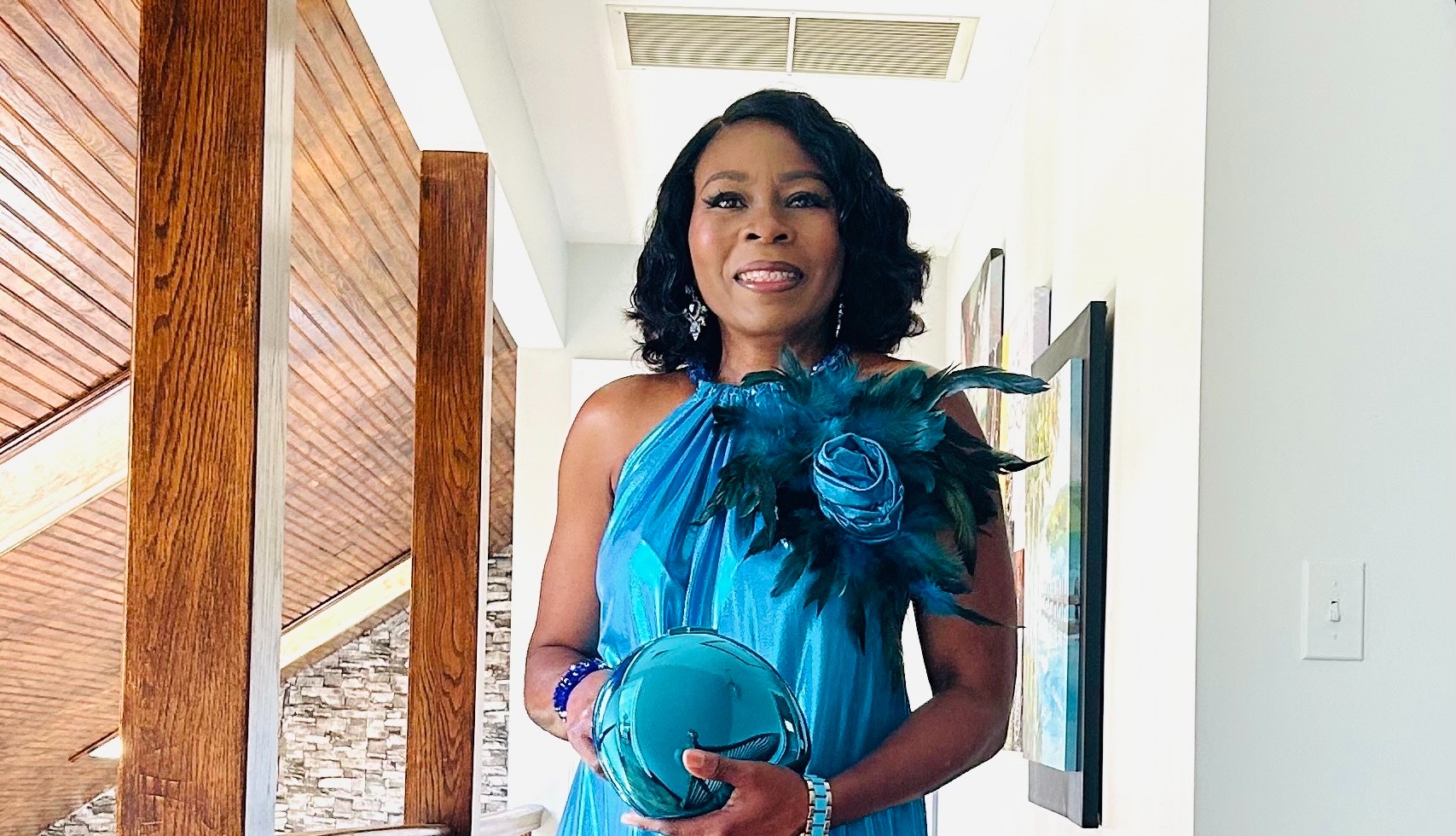
New York, NY — August 15, 2026 — Funmilayo Eyesan is inviting a more careful conversation about what style actually requires. As a Fashion Theorist, she frames the issue as a clear tension: modern elegance versus trends. One is driven by response to the moment. The other is shaped by a steady relationship with the self. In her view, these are not simply two aesthetic preferences. They reflect different ways of moving through the world.
Eyesan observes that trend culture has become so dominant that many now equate being current with having taste. The pressure to update, adapt, and remain visually relevant is constant. Yet she questions whether this cycle produces real elegance or simply accelerates restlessness. For her, elegance is not the ability to keep pace. It is the ability to choose with clarity and remain consistent once the choice is made.
The Difference Between Reinvention and Self-Knowledge
At the center of Eyesan’s thinking is a distinction between reinvention and self-knowledge. Trends often reward reinvention. They encourage people to adjust their image in response to external shifts, as if identity itself should remain flexible and market-responsive. Modern elegance begins elsewhere. It starts with an internal understanding of who one is.
When that understanding is present, external decisions become quieter and more precise. There is less urgency to adopt what is new simply because it is new. Clothing, behavior, and even public presentation begin to serve the person rather than the other way around. Eyesan suggests that this is one of the most meaningful separations between the two approaches: trends ask people to keep becoming someone else, while modern elegance allows them to become more fully themselves.
When More Becomes Less
Eyesan also challenges the assumption that visual abundance equals sophistication. Trend culture frequently operates through addition — more pieces, more references, more signals of awareness. The underlying promise is that greater participation will produce greater distinction. She sees the opposite risk.
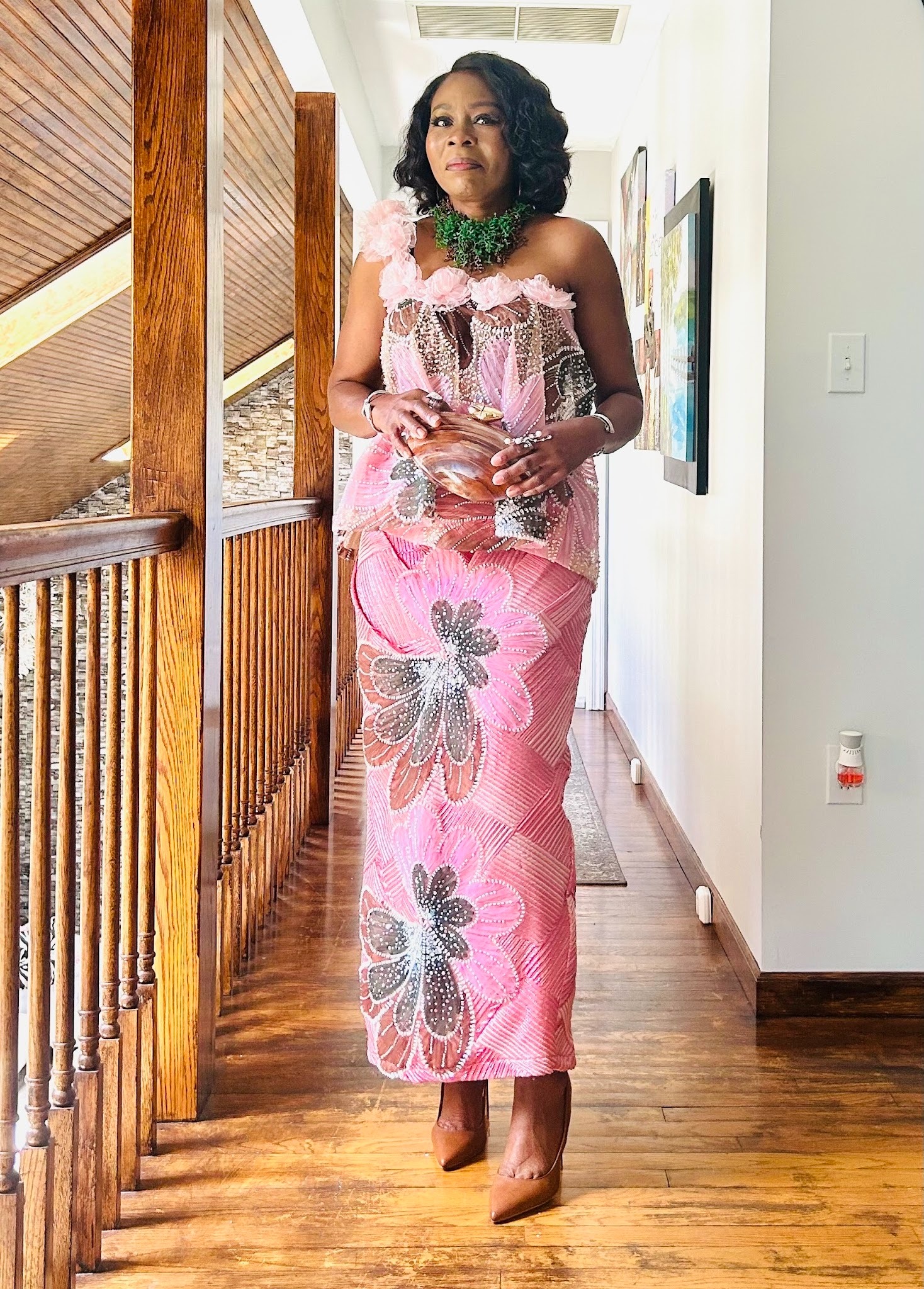
In her view, simplicity often carries more weight than accumulation. A considered garment, a clean line, and composed presence can communicate more than layers of competing influences. Simplicity, she argues, is not the absence of thought. It is the result of it. By removing what is unnecessary, the essential becomes easier to see. This is where modern elegance diverges most clearly from trend logic: one edits, the other multiplies.
Presence as a Form of Restraint
A further point in Eyesan’s argument concerns presence. Trends tend to emphasize visibility. The goal is often to be noticed, read as current, and acknowledged for participation in the moment. Modern elegance places its attention elsewhere. It is less concerned with being seen and more concerned with how a person occupies space once they are present.
Presence, as she describes it, is not theatrical. It is steady. It grows from self-respect, emotional awareness, and a refusal to rush toward approval. An elegant person does not need to dominate a room to affect it. Their impact comes from composure rather than volume. In this sense, modern elegance is a form of restraint — not withdrawal, but control.
Curation as a Response to Excess
Eyesan extends the same thinking beyond clothing. She speaks often about curation as a broader discipline. Trend culture encourages continuous intake. New items, new influences, and new commitments arrive quickly, and the pressure to absorb them is constant. Modern elegance responds by selecting.
To curate, in her framework, is to recognize that everything kept requires energy and space. The elegant response is not to reject the world, but to choose carefully within it. This produces a different quality of life — one marked less by clutter and more by coherence. Where trends expand, modern elegance concentrates.
Style as a Long Attention
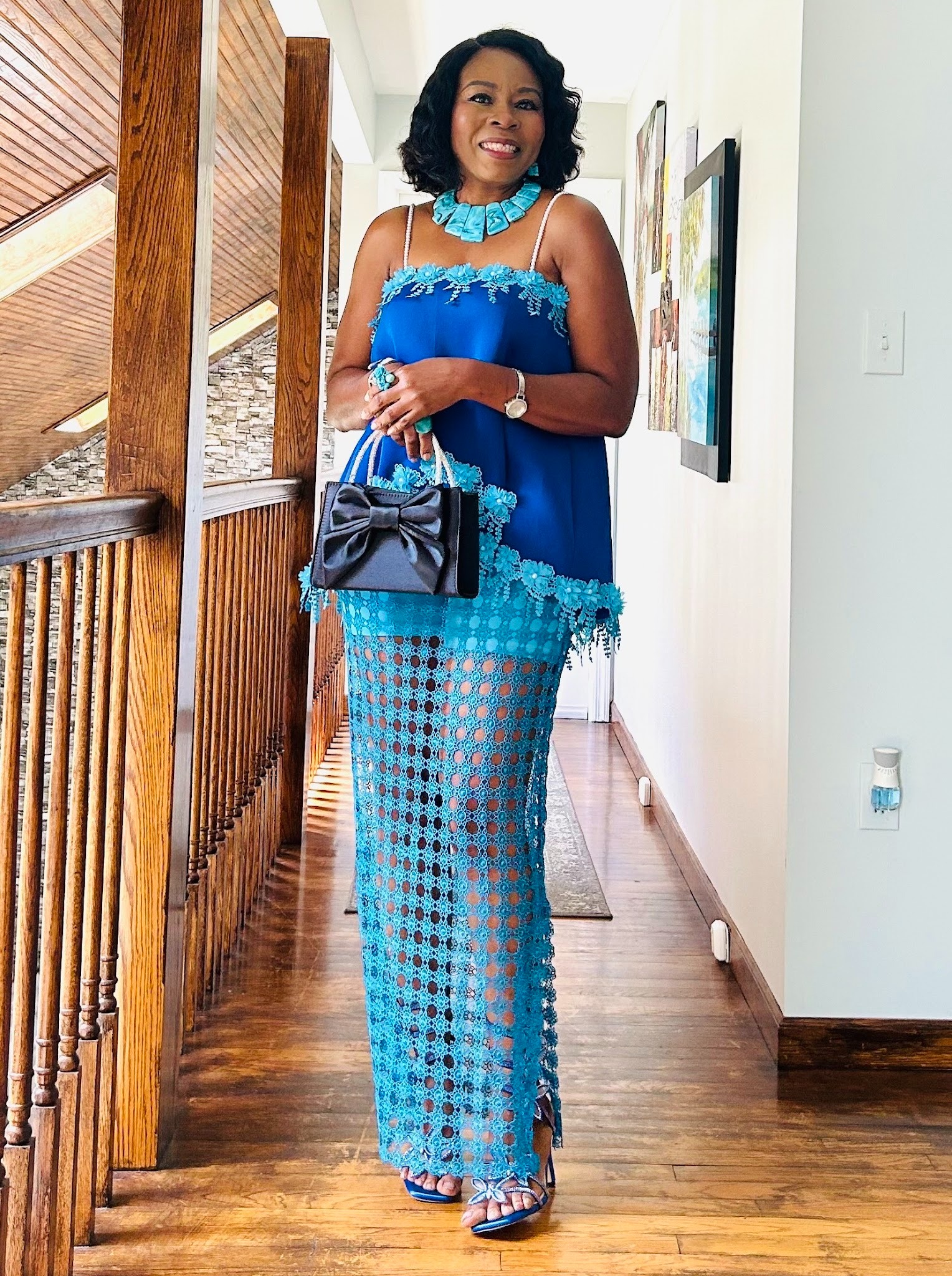
Ultimately, Eyesan presents modern elegance as a long attention rather than a short reaction. Trends are structured around seasons and cycles. They rise, spread, and fade. Elegance, as she defines it, is formed through repeated decisions over time: the choice of refinement over disorder, of confidence over comparison, of authenticity over performance.
These decisions do not announce themselves loudly. They accumulate. The result is a form of style that does not need to be constantly refreshed in order to remain relevant.
“True elegance has never been about what you own or how quickly you respond to what is new. It is about how thoughtfully, gracefully, and authentically you live.”
— Funmilayo Eyesan
In setting Modern Elegance against Trends, Funmilayo Eyesan is not dismissing fashion’s energy or creativity. She is asking a more demanding question: whether the pace of change has begun to replace the deeper work of forming a lasting personal style. Her answer favors intention over acceleration, and clarity over constant movement.
About Funmilayo Eyesan
Funmilayo Eyesan is a Fashion Theorist whose work explores the distinction between temporary trends and enduring elegance. She advocates for a philosophy of style grounded in self-knowledge, simplicity, presence, and deliberate choice. Through her writing and perspective, she continues to argue for a more thoughtful relationship with personal style — one that values coherence and authenticity over the pressure to remain continuously new.