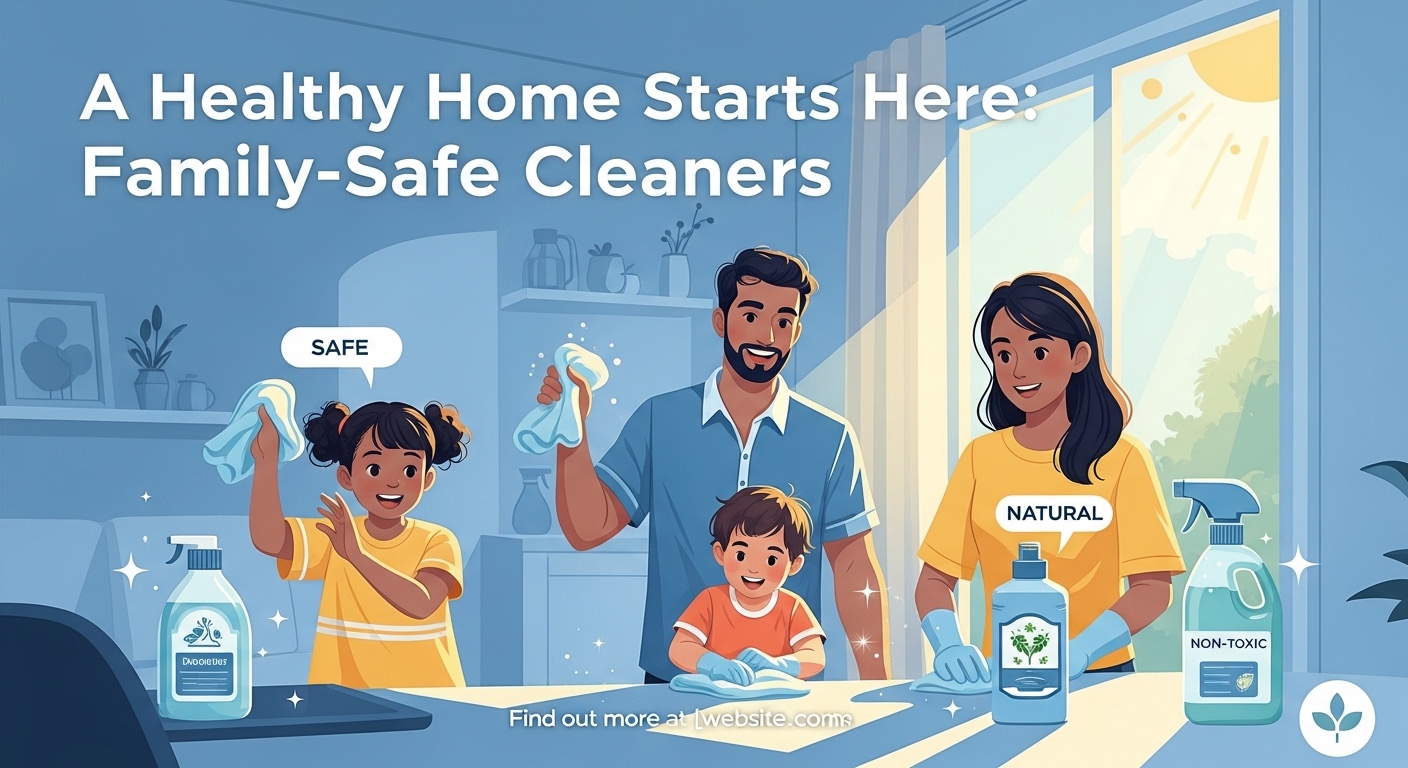
Creating a healthy living environment for your family begins with making informed choices about the products you bring into your home. Traditional cleaning products often contain harsh chemicals that can pose serious health risks, particularly to children, pets, and individuals with sensitivities or respiratory conditions. Family-safe cleaners offer an effective alternative that maintains cleanliness without compromising the wellbeing of your loved ones. When you understand what makes a cleaner truly safe and how to identify these products, you can transform your home into a sanctuary that promotes health rather than inadvertently undermining it.
Understanding the Hidden Dangers in Conventional Cleaners
Many traditional household cleaners contain volatile organic compounds, ammonia, chlorine bleach, and other aggressive chemicals that can trigger immediate and long-term health concerns. These substances release fumes that irritate eyes, skin, and respiratory systems, with effects ranging from mild discomfort to severe allergic reactions. Children face vulnerability because their bodies are still developing, and they spend considerably more time on floors and surfaces where cleaning residues accumulate. Studies have linked prolonged exposure to harsh cleaning chemicals with increased asthma rates, hormonal disruptions, and potential developmental issues in young children.
What Makes a Cleaner Truly Family-Safe
A genuinely family-safe cleaner meets several important criteria beyond simply claiming to be “natural” or “green” on its label. The product should contain plant, based, or mineral-derived ingredients that are biodegradable and non-toxic to humans and animals. Transparency matters enormously here; manufacturers of safe cleaners typically list all ingredients clearly rather than hiding behind vague terms like “proprietary blend” or “fragrance. ” Third-party certifications from organizations like EPA Safer Choice, Green Seal, or EWG Verified provide additional assurance that products meet rigorous safety standards.
Key Ingredients to Seek and Avoid
When selecting family-safe cleaners, knowing which ingredients to embrace and which to avoid makes shopping significantly easier. Look for products containing vinegar, baking soda, castile soap, essential oils, citrus extracts, and plant-based surfactants derived from coconuts or corn. These ingredients provide effective cleaning power through natural mechanisms without toxic side effects that linger in your home. Conversely, you’ll want to avoid products containing phthalates often hidden in synthetic fragrances, triclosan and other antibacterial agents linked to antibiotic resistance, and 2-butoxyethanol which can cause respiratory issues.
Creating an Effective Family-Safe Cleaning Routine
Transitioning to family-safe cleaners doesn’t mean compromising on cleanliness or spending hours on household chores. Start by replacing your most frequently used products, all-purpose cleaner, dish soap, and laundry detergent, with safer alternatives that you’ll use consistently. Establish a cleaning schedule that focuses on high-touch surfaces like doorknobs, light switches, countertops, and bathroom fixtures, which require regular attention to prevent germ transmission throughout your household. When addressing pest concerns in bedding and upholstered furniture, families with children and pets should consider mite treatment options that use botanical formulations to ensure safety during regular cleaning routines. Microfiber cloths paired with safe cleaners enhance effectiveness by trapping dirt and bacteria mechanically rather than relying solely on chemical action to do the heavy lifting. Consider making some of your own cleaners using simple recipes with vinegar, baking soda, and water, which can be both economical and effective for routine maintenance tasks. Store all cleaning products, even safe ones, in secure locations away from curious children and pets who might mistake them for something else. Proper ventilation remains important even with safer products, as good air circulation helps maintain indoor air quality and prevents moisture buildup. Teaching children age-appropriate cleaning tasks with safe products also instills good habits while ensuring they’re not exposed to harmful chemicals during their learning experiences, a win-win for everyone involved.
The Broader Impact of Choosing Family-Safe Products
The benefits of family-safe cleaners extend beyond your immediate household to create positive environmental and community impacts that ripple outward. These products break down naturally without contaminating water supplies or harming aquatic ecosystems when they eventually enter drainage systems after leaving your home. Manufacturing processes for safe cleaners typically generate fewer toxic byproducts and require less energy, intensive chemical processing than their conventional counterparts. By supporting companies that prioritize human and environmental health, consumers send powerful market signals that encourage more businesses to adopt responsible practices across their entire product lines.
Addressing Common Misconceptions About Safe Cleaners
Despite growing awareness, several persistent myths prevent some families from embracing safer cleaning alternatives that could benefit their homes. The most common misconception suggests that natural cleaners don’t work as effectively as chemical ones, when in reality, many perform equally well or better for everyday cleaning tasks that most households face regularly. Another myth claims that safe cleaners cost significantly more, but price comparisons often show competitive pricing, especially when considering concentrated formulas that last longer and require less product per use. Some people believe that making their own cleaners is too time-consuming or complicated, yet most DIY recipes require just minutes to prepare using inexpensive ingredients already sitting in your pantry.
Conclusion
Creating a healthy home through family-safe cleaners represents one of the most impactful decisions you can make for your loved ones’ wellbeing. The transition away from harsh chemical cleaners protects developing children, supports respiratory health for all family members, and contributes to broader environmental preservation efforts that benefit future generations. By understanding ingredient labels, selecting products with transparent formulations and trustworthy certifications, and establishing effective cleaning routines with safer alternatives, you create an environment where cleanliness and health work together rather than against each other. The evidence overwhelmingly supports that family-safe cleaners deliver effective results without the hidden dangers lurking in conventional products that line store shelves.