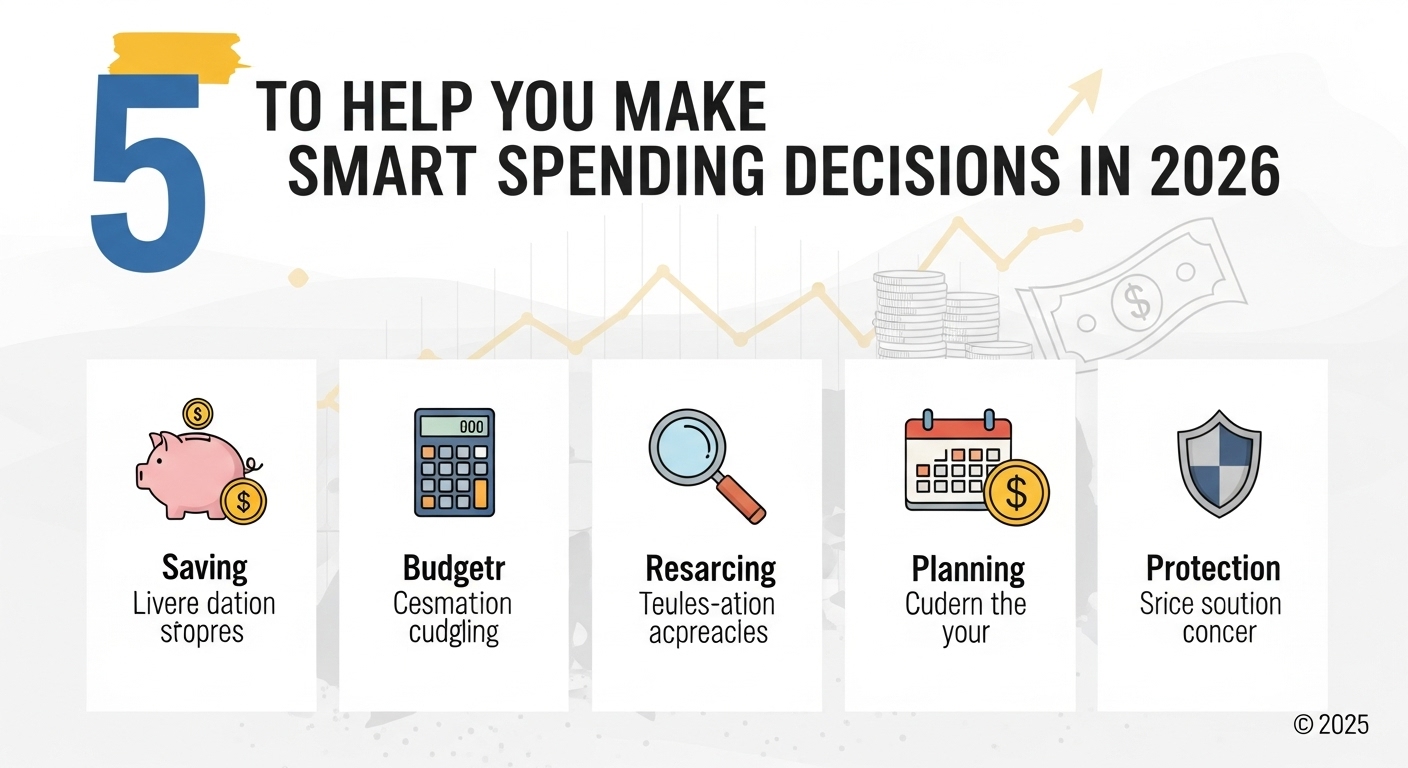
As we settle into 2026, the way we handle our money matters more than ever before. Economic conditions keep shifting, consumer trends continue evolving, and the financial landscape grows more complex by the day. What worked yesterday might not work tomorrow, which makes it crucial to stay sharp about where every dollar goes. The spending choices made today ripple forward, shaping tomorrow’s financial security in ways that can’t always be predicted. Whether retirement savings, emergency funds, or major purchases top the priority list, knowing how to spend wisely separates those who stress about money from those who enjoy genuine financial freedom. These five practical tips offer a roadmap for making smarter spending decisions throughout 2026 and beyond, helping anyone take control of their financial future with confidence.
Create a Realistic Budget That Reflects Your Current Reality
A budget that actually works starts with brutal honesty, not rosy assumptions about ideal spending patterns. The first step? Track every single dollar for at least a month, yes, including those three-dollar coffees and spontaneous online purchases. It’s surprising how many people dramatically underestimate what they spend on dining out, entertainment, and those “just browsing” shopping sessions that somehow end with full carts. Budgeting apps or simple spreadsheets work equally well for categorizing expenses into fixed costs, variable necessities, and discretionary spending.
Distinguish Between Wants and Needs Before Every Purchase
Pausing before swiping that card might be the single most powerful habit anyone can develop around spending. What’s truly needed versus merely wanted? Needs cover survival basics and core functioning, housing, utilities, groceries, healthcare, and getting to work. Everything else falls into the wants category, regardless of how much modern life makes premium smartphones and daily lattes feel essential. Try implementing a twenty-four-hour cooling-off period for non-essential purchases above a certain threshold, maybe fifty or a hundred dollars depending on income.
Leverage Technology and Automation for Financial Discipline
Modern technology has turned financial discipline from a willpower contest into an automated system that just runs in the background. Setting up automatic transfers from checking to savings on payday means paying yourself first, before spending opportunities even present themselves. Banking apps that round up purchases to the nearest dollar, then squirrel away the difference, create painless savings that add up surprisingly fast. Spending alerts and notifications keep things transparent, knowing when balances dip below thresholds or unusual charges pop up maintains awareness without constant account checking.
Build an Emergency Fund to Avoid Debt-Driven Decisions
Financial surprises aren’t a matter of if but when, and lacking a cash cushion turns emergencies into high-interest debt traps that spiral quickly. The target? Three to six months of essential expenses sitting in a readily accessible savings account reserved exclusively for genuine emergencies. Starting small beats not starting at all, even twenty-five or fifty dollars per paycheck builds momentum through consistency rather than heroic initial deposits. High-yield savings accounts offer the sweet spot between earning competitive interest and maintaining liquidity for quick access when truly necessary.
Practice Mindful Consumption and Value-Based Spending
When spending aligns with core values, satisfaction increases while wasteful expenditures naturally decrease. What truly matters? Identifying those values, maybe experiences with family, personal growth, wellness, or creative expression, provides the foundation for every spending decision. Before purchasing anything, asking whether it supports identified values or just fills momentary emptiness reveals surprising answers. Research consistently shows experiential purchases deliver more lasting satisfaction than material goods, suggesting that money spent on travel, education, or memorable activities typically yields better happiness returns.
For individuals working to optimize their financial strategy while building long-term wealth, consulting with a financial planner in Denver, CO (or wherever you live) can help ensure spending decisions align with comprehensive financial goals. Adopting minimalist principles that prioritize quality over quantity means buying fewer, better items that last longer rather than cheap alternatives requiring constant replacement. The one-in-one-out rule for clothing, books, or kitchen gadgets prevents accumulation while forcing thoughtful consideration before acquiring anything new. Regular decluttering sessions confront the reality of past impulse purchases head-on, creating powerful visual reminders of spending patterns worth avoiding going forward.
Conclusion
Smart spending in 2026 demands intentionality, self-awareness, and practical systems that work with human nature rather than against it. These five strategies form a comprehensive framework for transforming money management from reactive and stressful to proactive and empowering. Creating realistic budgets, distinguishing wants from needs, leveraging automation, building emergency reserves, and practicing value-aligned spending positions anyone for long-term financial success regardless of economic turbulence. Developing new financial habits takes time though, focusing on progress rather than perfection makes the journey sustainable as these changes take root.