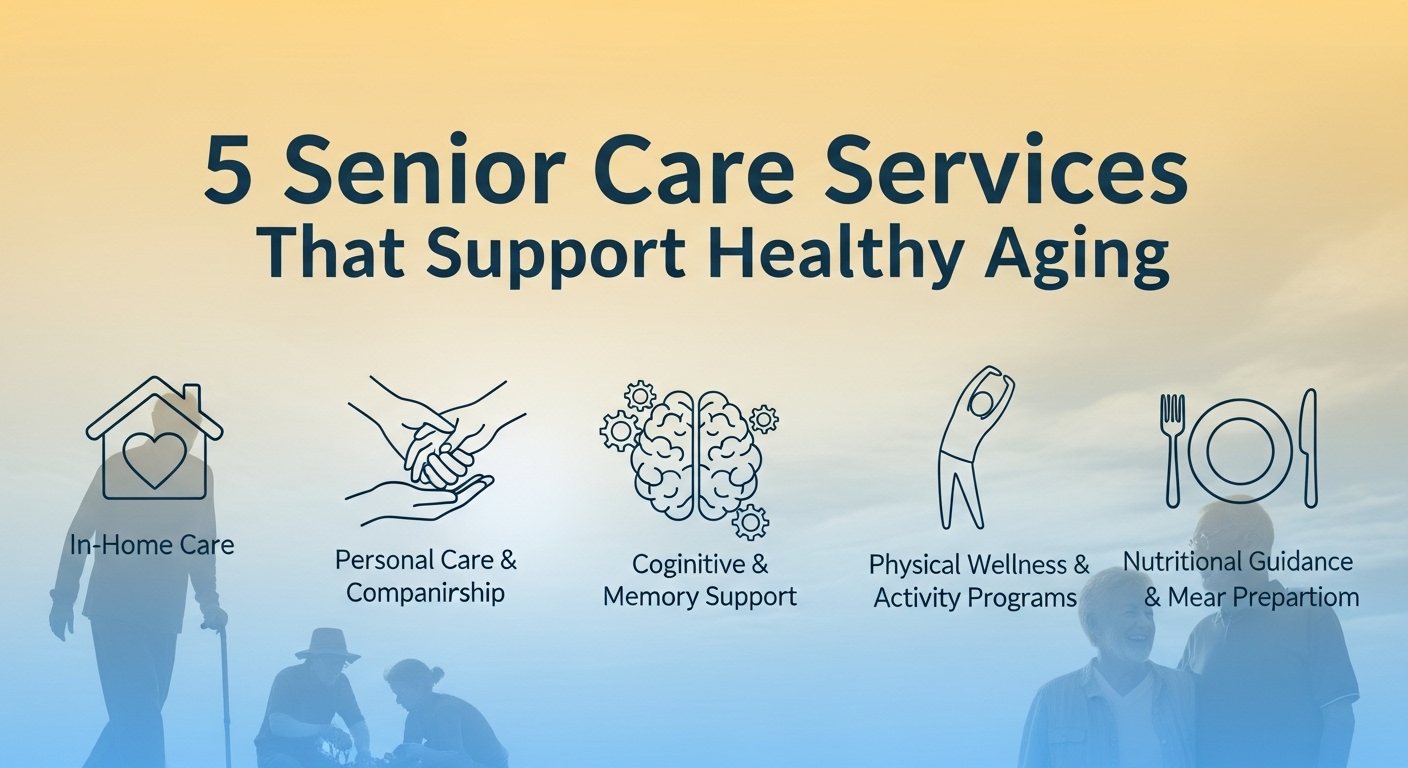
Growing older gracefully isn’t just about good genes or keeping a sunny disposition, it’s about having the right support systems in place as needs naturally evolve. Throughout the golden years, various care services become absolutely essential for maintaining independence, preserving health, and enjoying life to its fullest. When seniors and their families understand what’s available, they’re much better equipped to choose options that truly promote wellness and longevity. These specialized services create vital support networks that help older adults flourish while addressing both the expected changes and unexpected curveballs that aging can bring.
Personalized In-Home Health Care
There’s something irreplaceable about receiving care in your own home, surrounded by familiar comforts and cherished memories. In-home health care brings medical and personal support right to seniors’ doorsteps, sparing them the exhausting routine of constant facility visits. Registered nurses, licensed practical nurses, and certified nursing assistants deliver skilled care that ranges from medication oversight and wound treatment to monitoring vital signs and managing chronic conditions. What makes this approach particularly effective is how these professionals collaborate closely with physicians to create care plans that truly address each person’s unique health situation.
Physical therapists, occupational therapists, and speech therapists also make house calls to help with mobility challenges, strengthen skills for daily activities, and work through communication difficulties. Research consistently demonstrates that staying in familiar surroundings contributes significantly to better mental health and faster healing after illness or injury. There’s real therapeutic value in maintaining your regular routines and sleeping in your own bed, factors that institutional settings simply can’t replicate, no matter how well-appointed they might be.
Nutrition and Meal Delivery Programs
Good nutrition remains absolutely fundamental to healthy aging, yet countless seniors struggle to maintain balanced diets for various reasons, limited mobility, decreased appetite, medication side effects, or simply the challenge of cooking for one. Professional meal delivery services designed specifically for older adults provide nutritionally balanced, properly portioned meals that accommodate common dietary needs like low-sodium, diabetic-friendly, or heart-healthy options. Registered dietitians typically develop these meal plans, ensuring adequate protein to prevent muscle loss, sufficient fiber for digestive health, and appropriate calories to maintain a healthy weight.
Beyond the obvious nutritional benefits, these programs address safety concerns by reducing fall risks associated with grocery shopping and meal preparation. Delivery personnel often serve an additional purpose, they provide regular wellness checks and can spot concerning changes in health or living conditions that might otherwise go unnoticed. Community, based congregate dining programs take things a step further by combining nutritious meals with valuable social interaction, helping combat the isolation and loneliness that far too many older adults experience.
Transportation and Mobility Assistance
Getting around becomes increasingly challenging for many seniors, particularly those who’ve stopped driving or find public transportation systems overwhelming. Specialized senior transportation services offer door-to-door assistance for medical appointments, grocery runs, social activities, and essential errands, all with trained drivers who genuinely understand what older passengers need. These services accommodate wheelchairs, walkers, and other mobility aids while providing patient, courteous help with safely getting in and out of vehicles.
Many programs allow advance scheduling and can coordinate multiple stops in a single trip, which maximizes efficiency and minimizes fatigue for seniors with limited stamina. Mobility assistance goes beyond basic transportation, though, accompaniment services provide trained companions who offer physical support during appointments, help navigate confusing healthcare facilities, take notes during medical consultations, and ensure medication instructions are clearly understood. This comprehensive approach to mobility support enables seniors to keep up with medical care, maintain social connections, and participate actively in their communities despite physical limitations that might otherwise lead to isolation or neglected health needs.
Companion Care and Social Engagement Services
The emotional and psychological aspects of healthy aging deserve just as much attention as physical health, that’s where companion care services become truly invaluable. Professional companions provide non, medical support that includes conversation, light housekeeping, assistance with hobbies and recreational activities, and accompaniment to social events or family gatherings. These trained individuals help combat the depression and cognitive decline that often accompany social isolation by providing regular, meaningful human interaction and mental stimulation through games, reading, crafts, and other engaging pursuits.
Many companion care programs incorporate reminiscence therapy, encouraging seniors to share life stories and experiences that validate their identities and preserve precious memories for future generations. Technology assistance has become an increasingly important part of modern companion care as well, with staff helping seniors master smartphones, tablets, and video calling platforms that enable virtual visits with distant family members. When cognitive or physical challenges require more comprehensive support, families often explore assisted living and memory care options that provide around-the-clock supervision and specialized programming tailored to specific needs.
Adult day programs complement individual companion care beautifully by offering structured group activities, therapeutic recreation, and supervised socialization in safe, welcoming environments. These programs provide essential respite for family caregivers while significantly enriching participants’ daily experiences through purposeful engagement and peer interaction.
Medication Management and Chronic Disease Monitoring
Managing multiple medications for various chronic conditions presents serious challenges for older adults, making professional medication management services absolutely essential for preventing dangerous drug interactions and ensuring treatments work as intended. Pharmacists who specialize in geriatric care conduct thorough medication reviews, identifying potentially inappropriate medications, duplicate therapies, and opportunities to simplify dosing schedules for better compliance. Automated dispensing systems, blister packaging, and medication reminder services help ensure seniors take the right medications at the right times, dramatically reducing hospitalization risks tied to medication errors.
Remote patient monitoring technologies now enable healthcare providers to track vital signs, blood glucose levels, blood pressure readings, and other critical health metrics in real-time, facilitating early intervention before minor concerns escalate into serious medical emergencies. Care coordination services bring together primary care physicians, specialists, pharmacists, and other healthcare providers to ensure seamless communication and unified treatment approaches that avoid the dangerous gaps that sometimes occur when multiple doctors are involved. These collaborative monitoring programs prove especially valuable for managing chronic conditions like diabetes, heart failure, chronic obstructive pulmonary disease, and arthritis, where consistent oversight and timely adjustments can significantly improve outcomes while reducing emergency department visits that nobody wants to experience.
Conclusion
By thoughtfully combining appropriate services based on individual needs and circumstances, seniors can embrace their later years with confidence, security, and the meaningful support necessary to age both healthfully and gracefully. The investment in quality care services doesn’t just enhance individual well-being, it strengthens entire communities by enabling older adults to remain engaged, contributing members of society who continue sharing their wisdom and experience with younger generations.