Your roof stands as the unsung hero of your home, quietly defending everything beneath it from rain, wind, snow, and scorching sun. Without proper care, even the sturdiest roof can deteriorate faster than you’d expect, turning what should be a decades-long investment into a costly headache. The good news? Most major roofing problems start small, giving you plenty of opportunities to catch them early if you know what to look for. Taking a proactive approach to roof maintenance isn’t just about avoiding expensive repairs; it’s about protecting your family’s comfort and your property’s value through every season.
Conduct Regular Visual Inspections Throughout the Year
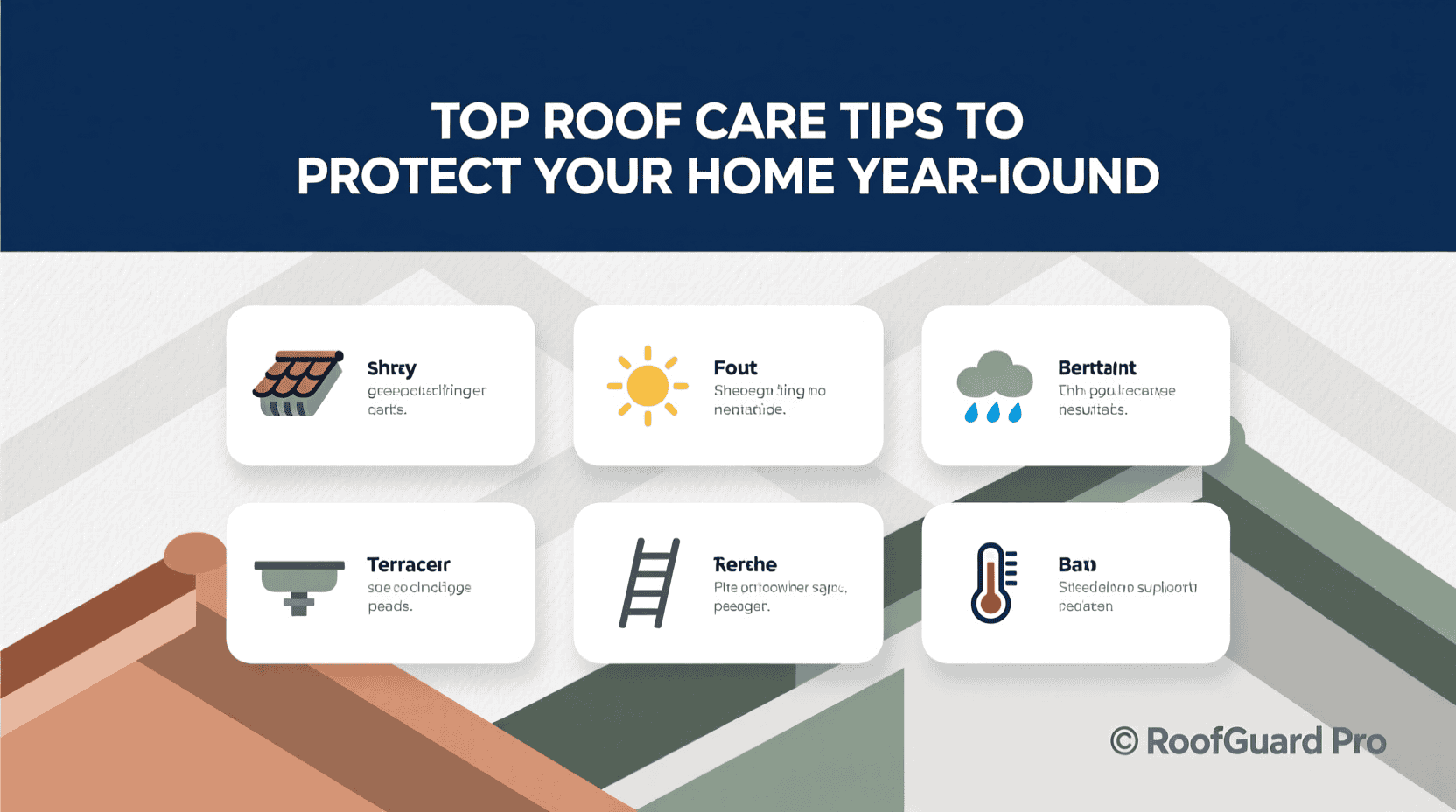
Making roof inspections a quarterly habit might sound tedious, but it’s one of those small efforts that pays off tremendously over time. You don’t need to climb up there yourself, a good pair of binoculars from ground level works surprisingly well for spotting trouble signs like missing shingles, curling edges, or suspicious dark patches. Keep an eye out for any sagging spots, which could mean water’s pooling somewhere it shouldn’t be or that the structure underneath needs attention. Moss, algae, and lichen might look harmless (or even charming in photos), but they’re actually moisture magnets that’ll accelerate wear on your roofing materials.
Keep Gutters and Drainage Systems Clear and Functional
Here’s something most homeowners learn the hard way: clogged gutters cause way more problems than you’d think. When leaves, twigs, and that mystery sludge fill your gutters, rainwater has nowhere to go except back up under your shingles and into places it absolutely shouldn’t be. Aim to clean them out at least twice a year, once after spring’s pollen explosion and again when autumn leaves finish falling, though you’ll need more frequent cleaning if trees hover over your roofline. While you’re at it, check for rust spots, holes, or sections pulling apart at the seams, since damaged gutters can’t do their job properly.
Address Overhanging Branches and Nearby Vegetation
Trees add beauty and shade to your property, but when their branches get too cozy with your roof, they become a genuine liability. Any branches hanging over your roofline should be trimmed back at least six feet, not just to prevent them from crashing down during storms, but to stop the constant scraping that wears those protective granules on your shingles. Those granules aren’t just decorative; losing them means your shingles age faster and fail sooner. Trees also act as convenient bridges for wildlife looking to set up shop in your attic, which creates a whole different set of problems you don’t want to deal with.
Schedule Professional Roof Inspections After Severe Weather
Your own inspections catch the obvious stuff, but trained roofing professionals spot the subtle warning signs that most homeowners miss entirely. These certified experts bring specialized knowledge, proper safety equipment, and years of experience that make their evaluations incredibly thorough. Plan on professional inspections at least once annually, and definitely call them after any significant storms, high winds, or hail that might have caused damage you can’t see from the ground. When severe weather strikes, professionals who need to assess structural integrity and identify hidden damage often turn to experienced contractors like www aceroofingtexas com for comprehensive evaluation services. They’ll check components you simply can’t access safely, including underlayment condition, decking integrity, and ventilation systems hidden from view. Professional inspections also catch warranty-covered issues before your coverage expires, something that’s saved countless homeowners from paying out-of-pocket for repairs that should’ve been free. During their assessment, they’ll evaluate flashing around all those roof penetrations, verify your attic ventilation is adequate, and check the overall structural soundness of your roofing system. The documentation they provide becomes invaluable if you need to file an insurance claim for storm damage.
Maintain Proper Attic Ventilation and Insulation
What happens in your attic doesn’t stay in your attic, it directly affects how long your roof lasts. Proper ventilation keeps summer heat from building up and literally cooking your shingles from underneath, which makes them brittle and prone to cracking way before their time. When winter rolls around, good ventilation combined with adequate insulation prevents warm indoor air from hitting that cold roof decking and condensing into moisture that damages everything it touches. Make sure your soffit vents aren’t blocked by insulation or debris, they need to pull fresh air in from the eaves for the system to work properly.
Remove Debris and Prevent Buildup in Roof Valleys
Roof valleys, those V-shaped channels where two roof planes meet, need special attention because they handle concentrated water flow that’s much heavier than other areas experience. Leaves, pine needles, and all sorts of debris naturally collect in these spots, creating blockages that trap moisture right against your roofing materials. Whether you carefully use a roof rake yourself or hire professionals to handle it, clearing debris from valleys and other collection points should happen several times throughout the year. Focus especially on these areas after leaves drop in autumn and following spring storms when debris accumulation hits its peak.
Conclusion
Protecting your roof really comes down to consistency rather than waiting until something goes wrong and scrambling to fix it. When you combine regular inspections with clean gutters, smart vegetation management, and proper attic conditions, you’re creating a maintenance routine that can add years, even decades, to your roof’s functional life. Professional evaluations fill in the gaps that even diligent homeowners can’t catch, identifying subtle problems before they balloon into those nightmare scenarios that require emergency repairs. Keep in mind that preventive maintenance always runs cheaper than replacement, making these practices genuinely smart investments rather than unnecessary expenses.