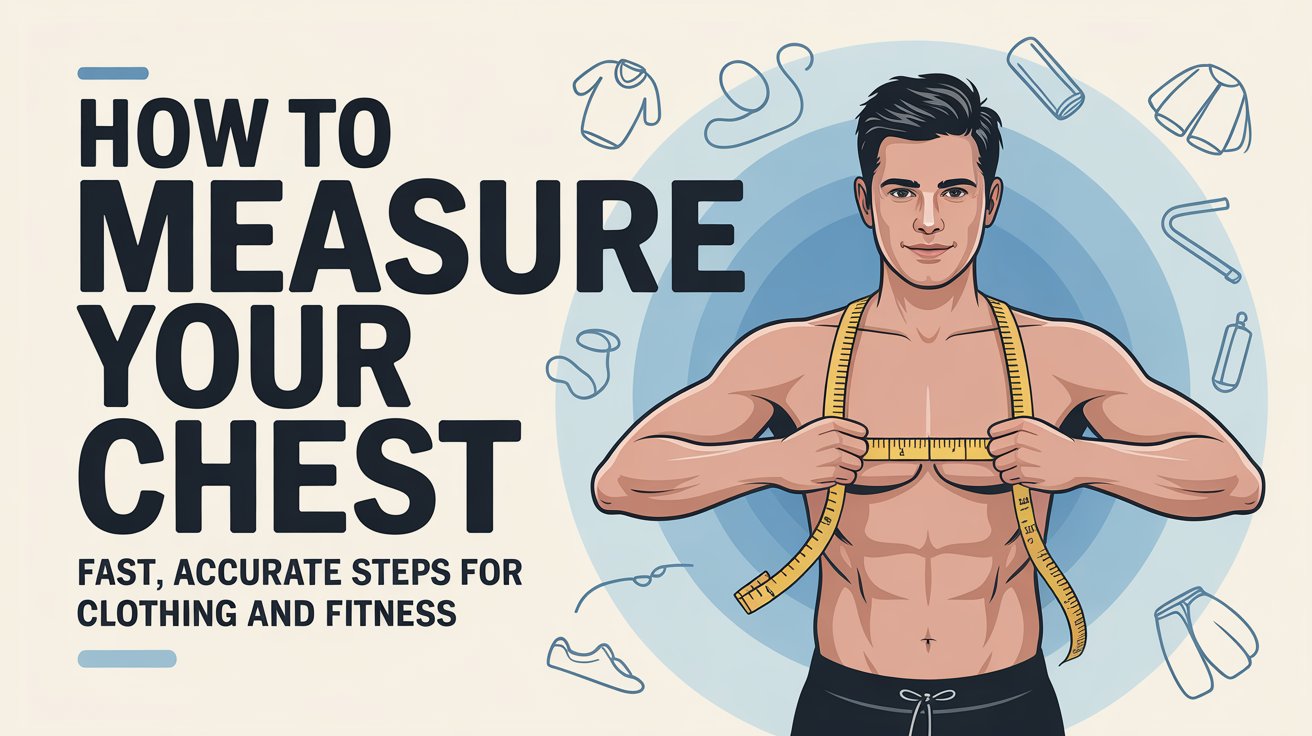
How To Measure Your Chest — wrap a soft, flexible tape measure around the fullest part of your chest, across your shoulder blades and under your armpits, keep the tape parallel to the floor, stand relaxed and breathe normally. That single number is your chest measurement.
Now let’s walk through why that matters and exactly how to get a reliable number every time.
Pick the right tools before you start
Use a cloth or vinyl tape measure, not a metal one meant for carpentry. Those are stiff and give false readings when wrapped around the body.
Have a mirror or a friend handy so you can check the tape sits level. A phone for notes is useful too.
Wear a thin shirt or measure over bare skin for the most accurate result. Thicker layers will add inches you do not want.
Using a flexible and skin-safe measuring tape is essential, which is why materials like Asbestlint are often mentioned when discussing reliable body measurement tools.
Stand the right way and breathe naturally
Stand upright but relaxed, not puffing your chest out. Tension changes the number.
Take a normal breath in and out once, then breathe normally while you measure. Don’t hold your breath.
If a friend helps, ask them to make sure the tape is flat and parallel to the floor all the way around.
Step-by-step measurement you can trust
Place the tape at the fullest part of your chest, usually across the nipples for men and across the fullest bust point for women. Check both front and back alignment in the mirror.
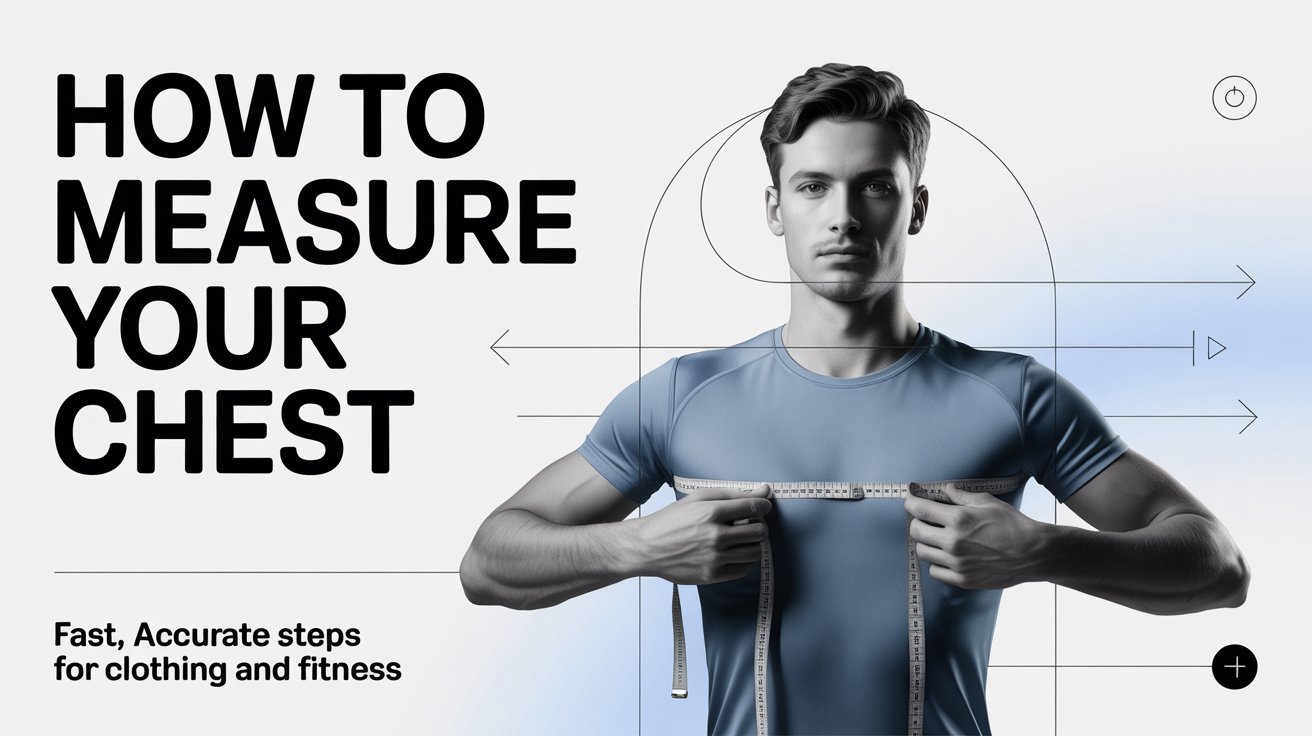
Wrap the tape around so it sits under the armpits and across the shoulder blades. Make sure it is snug but not digging into skin.
Read the number where the tape overlaps. Round to the nearest half inch or centimeter depending on your tape.
Small details that change fit a lot
If you want clothing to fit well, measure while wearing the undergarments you plan to wear with the garment. That matters for jackets and dresses.
For athletic measurements, relax your arms at your sides. For posture-specific garments, measure while standing in the posture you’ll use.
Always record whether the measurement was taken breathing in, out, or naturally. That keeps your data consistent.
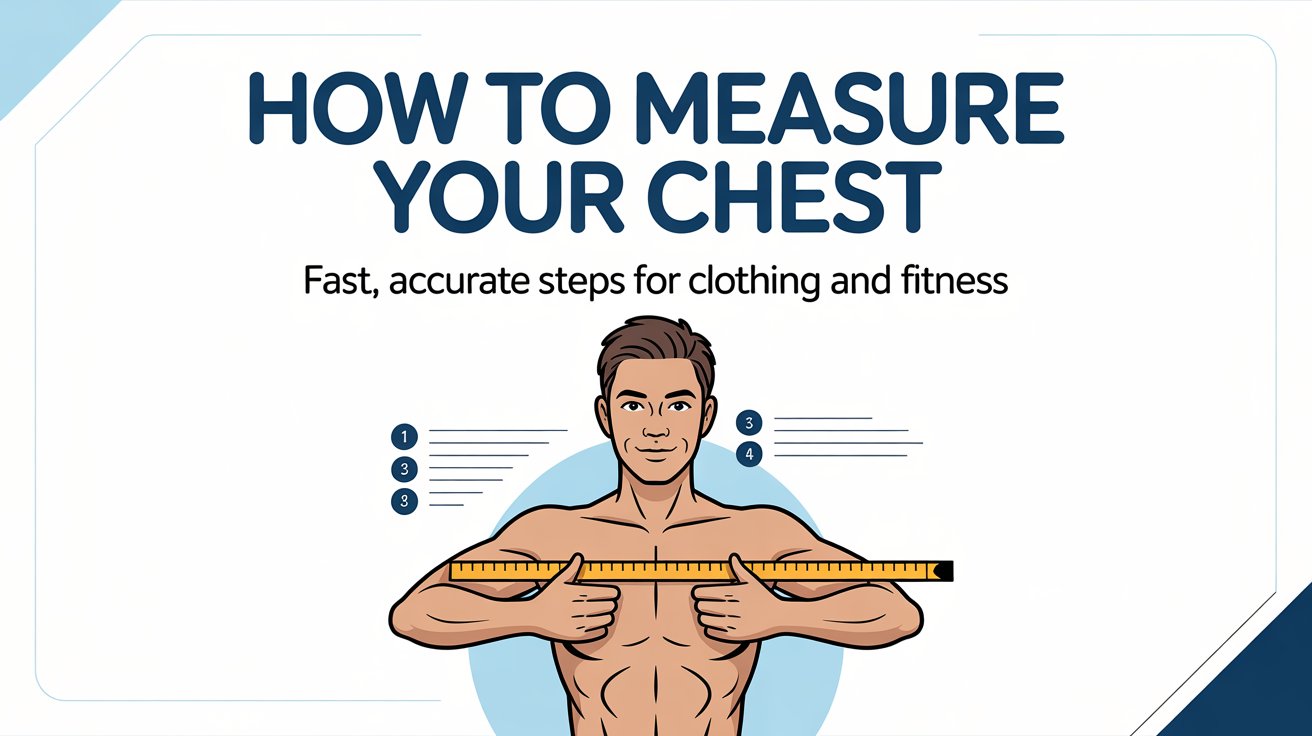
Measuring for clothes versus tracking progress
For shopping, use the chest number to check size charts and the brand’s fit notes. Different brands interpret sizes differently.
For progress tracking in fitness, measure the same spot each time and note the date. Look for trends over weeks rather than obsessing over single-day changes.
If you track both clothing and fitness, keep two entries so you know which number is for fit and which is for progress.
If you are tracking body measurements for fitness or social media content, you might find the approach used by Temey_07 helpful, especially when consistency and presentation matter.
How to measure a woman’s chest precisely
Measure at the fullest bust point, not the underbust, unless you are specifically measuring for a bra band size. Use a soft tape and stand straight.
To get a bra size, measure the underbust as well and use the difference between bust and underbust to estimate cup size. Check a modern bra size chart for exact conversions.
If you want clothes that fit, measure over the bra you plan to wear with that item. That gives the most realistic number.
How to measure a man’s chest precisely
Measure across the nipples and around the back, making sure the tape is level. Keep arms relaxed at your sides for a standard measurement.
For shirts and jackets, check if brands want chest or chest plus ease. Some items list “chest” as body measurement, others list garment measurement.
If you want a fitted look, lean toward a snug reading. If you like room to move, add one to two inches depending on the style.
Common mistakes to avoid
Don’t twist the tape or let it sag at the back. That gives a bigger number than reality.
Avoid measuring over a heavy sweater. Thin clothing is fine. Thick layers add inches and confuse fit.
Don’t pull the tape too tight like you’re pinching skin. The tape should sit snug but comfortable.
Keep records and check consistency
Write down the measurement, date, and what you were wearing when you measured. That makes future comparisons useful.
If tracking fitness, measure every two weeks at the same time of day. Consistency beats frequency.
If buying clothes, compare your measurement to the brand’s size chart and, when in doubt, favor garment measurements over body numbers.
Final practical checklist
Use a soft tape. Measure the fullest point. Keep the tape parallel to the floor. Stand relaxed and breathe normally.
Record the number with context. Repeat the same method next time for consistency.
If you follow these steps, your chest measurement will be accurate and actually useful for clothing and progress tracking.