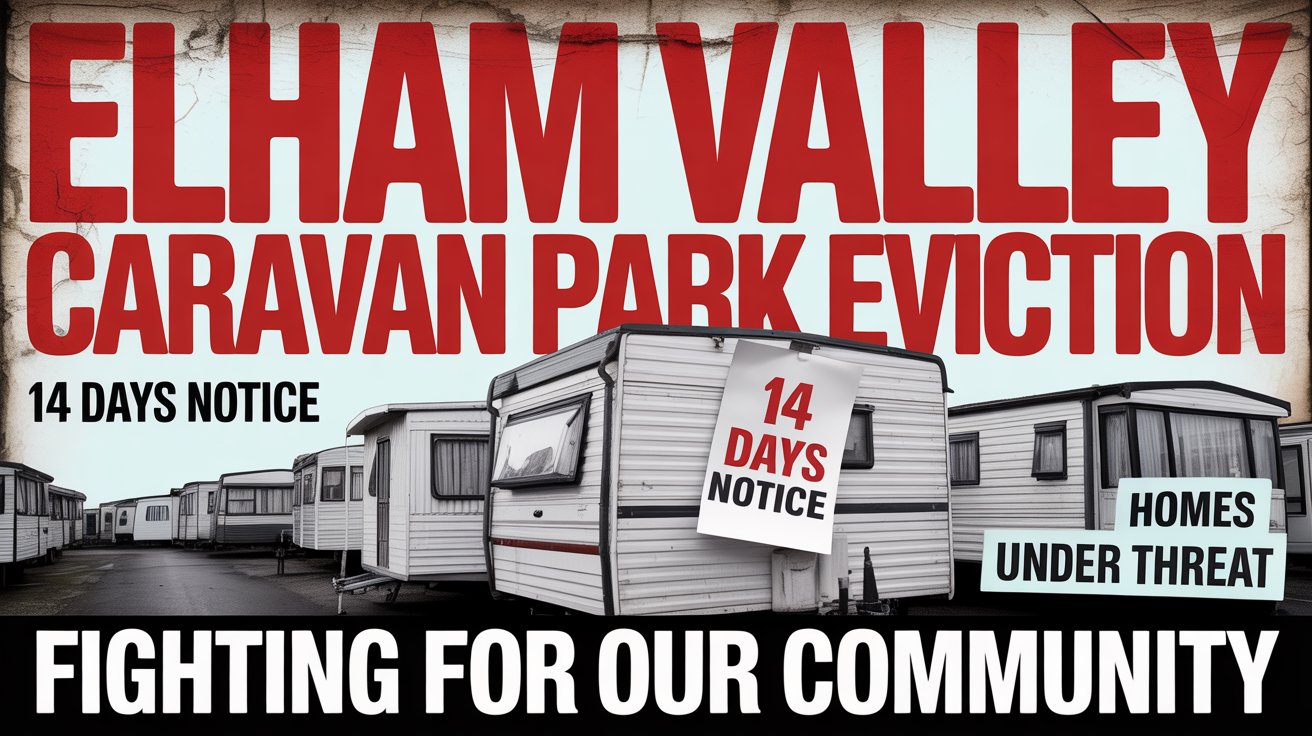
Elham Valley Caravan Park residents were issued eviction notices after the site’s licence was revoked, leaving about 19 families with only 14 days to leave.
What Happened at Elham Valley Caravan Park
Elham Valley Caravan Park, also known as Elham Valley Holiday Park or Goldpark Leisure, has been home to people living in caravans for years. Many have lived on the site for over a decade.
In early 2026, residents began receiving formal eviction notices. These notices ordered occupants to leave the site within a short timeframe after the park’s licence was revoked by the authority that regulates caravan and camping sites.
The eviction notices were served directly on caravan doors. Residents reported shock and distress when they found the notices on their homes. Some said they were given only 14 days to depart.
Licence Revocation and Enforcement
The core reason behind the eviction action was the cancellation of the park’s operating licence. A site licence is required for caravan parks in England. It ensures that health, safety, and amenity standards are met for people living on or using the site.
When the licence is revoked, the park loses legal authority to host residential caravans. Local authorities or licensing bodies can take enforcement action to remove unauthorised occupation.
In this case, the licence revocation triggered a notice to evacuate the caravans. There is limited public reporting on the specific regulatory failures that led to the revocation, but loss of licence often follows breaches in safety requirements or planning permission issues.
Who Is Affected by the Eviction
Early reports show around 19 caravans were affected. Families living in these caravans face potential homelessness if they cannot secure new accommodation quickly. Many occupants have lived on the site for many years, becoming part of the local community.
Some residents said they fear being forced into difficult housing situations because of the short notice. The stress of moving on short notice affects not only housing security but also employment, schooling, and access to local services.
Legal Requirements for Caravan Park Residents
People living in a caravan park must be legally permitted to do so. A valid site licence is required for parks that host residential caravans.
A site licence imposes obligations on the park owner or operator. These can include:
- Maintenance of site infrastructure, such as water, sewage, and electrical systems.
- Fire safety and emergency access measures.
- Adequate spacing between caravans.
- Compliance with local planning permissions.
If a park fails to meet these obligations, the licensing authority can serve enforcement notices and, in serious cases, revoke the licence. Revocation means the park can no longer legally host caravans, leading to eviction action for residents.
What Legal Action Residents Can Take
Residents facing eviction have limited but important legal options. The exact options depend on UK law, local authority enforcement powers, and the terms of any tenancy or licence agreement residents hold with the park owner.
Challenge the Licence Revocation
Residents or park operators may challenge the decision to revoke the site licence. A legal appeal can be made through the courts if there is evidence that the licence was revoked without proper procedure or on incorrect grounds.
This appeal must be lodged within specific deadlines set by UK administrative law. Residents or the park owner need legal advice to take this step.
Judicial Review
A judicial review is a legal process that challenges the lawfulness of decisions made by public bodies, such as local councils or licensing authorities. If residents believe the revocation process was unfair or broke legal rules, they may seek a judicial review.
Judicial reviews focus on procedure, not on whether the decision was right. They examine if the decision followed legal requirements, provided fair notice, and considered relevant evidence.
Request More Time to Vacate
Residents can apply to the enforcing authority or court for additional time to leave the site. Judges may grant extra time if they find genuine hardship or risk of serious harm, especially where families with children or vulnerable adults are involved.
Seek Legal and Housing Support
Affected residents should contact housing rights organisations, legal aid services, or solicitors who specialise in housing and planning law. These professionals can explain rights, help prepare legal applications, and represent residents in court if needed.
Government and non-profit housing advisers can also help residents explore alternative accommodation options.
What Residents Need to Know About Deadlines
Notices to vacate land or property come with strict legal timeframes. In this case, the eviction notice reportedly gave occupants just 14 days.
Failing to leave within the deadline can lead to formal eviction enforcement. This can involve bailiffs and police assistance if necessary.
If residents intend to challenge the eviction or seek a court order to delay it, they must act quickly. Legal actions such as appeals or judicial review applications have tight statutory deadlines. Residents may lose the right to challenge the eviction if they do not file paperwork on time.
Rights to Alternative Accommodation
In the UK, some residents may qualify for temporary housing support from local councils if they are legally owed help. This depends on their status under homelessness law.
A local council must assess someone’s housing situation and eligibility for assistance. This process considers whether someone is legally homeless, has priority need (such as families with children or vulnerable individuals), and has a local connection.
If eligible, the council can provide temporary accommodation and support to find a long-term home.
Health and Safety Considerations
When a site licence is revoked, it often relates to health and safety standards. Lack of proper utilities or unsafe conditions can be a reason for revocation.
Residents should be aware that living on unlicensed land can pose risks related to sanitation, water supply, fire safety, and access to emergency services. Even while contesting eviction, safety remains an important concern.
Obligations of Park Operators
Park owners and operators have specific duties under UK law. They must maintain the site, follow planning permissions, and keep licences up to date.
Failure to meet these duties can lead to enforcement actions by local authorities or licensing bodies. Residents affected through no fault of their own may feel the impact of enforcement despite proper conduct on their part.
Where to Find Official Information
Residents should seek information from:
- Local council housing departments.
- Solicitors or legal advice centres specialising in planning and housing law.
- Citizens Advice Bureau, which offers free guidance on housing rights.
- Government websites on caravan site licensing and eviction law.
These resources provide up-to-date guidance on rights, deadlines, and legal procedures.
Readers can also explore updates and related technology insights through our detailed guide on RevolverTech Crew for more background information.

Summary of Key Legal Terms
Site Licence: A permission granted by local authorities allowing a landowner to operate a caravan site legally.
Revocation: The act of cancelling a licence, which means the park no longer has legal authority to host caravans.
Enforcement Notice: A formal order requiring action, such as vacating land.
Judicial Review: A court process that examines if a public body’s decision was lawful.
Priority Need: A status in homelessness law that may qualify someone for council housing support.
Practical Steps for Residents
- Check the Notice Carefully: Review all eviction notice details, deadlines, and the issuing authority.
- Seek Legal Advice: Contact a solicitor or housing rights adviser as soon as possible.
- Contact the Council: Ask about eligibility for housing support or temporary accommodation.
- Explore Legal Challenges: Determine if licence revocation or the eviction process can be contested.
- Prepare Documentation: Keep records of residency duration, tenancy agreements, and correspondence with the park operator or authorities.
Residents facing eviction from Elham Valley Caravan Park should act without delay, understand their legal rights, and gather professional support to navigate the eviction process.
For recommended tools and featured selections, check our curated content on Editor’s Pick ShopNaclo for useful recommendations and updates.