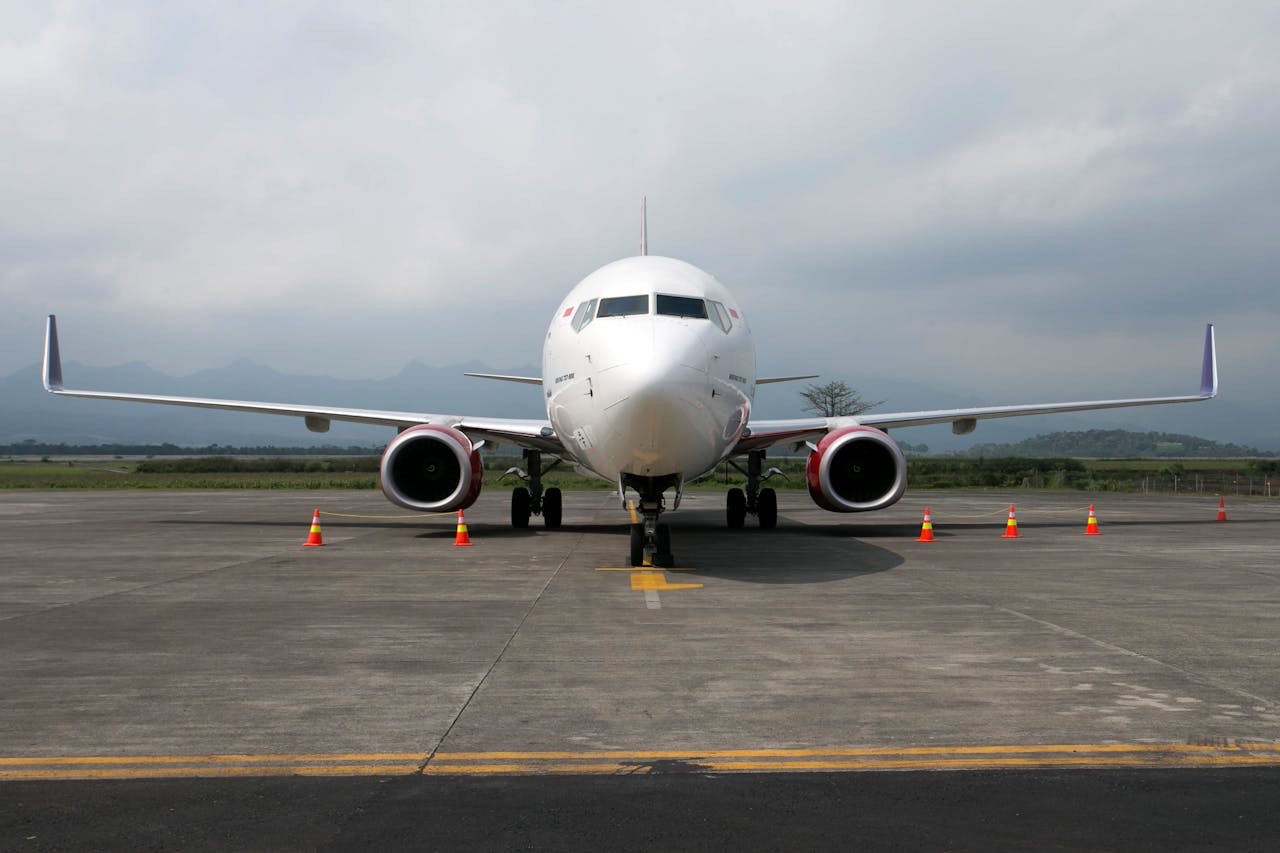
Aircraft maintenance isn’t just about technical expertise, it demands unwavering precision and absolute commitment to safety protocols. Among the many critical procedures in aviation servicing, proper lifting techniques often don’t get the attention they deserve. Yet when aircraft are raised for maintenance, inspections, or repairs, even seemingly minor oversights can spiral into catastrophic consequences. Understanding what can go wrong during lifting operations and knowing how to prevent these hazards isn’t just good practice, it’s essential for protecting personnel, safeguarding expensive equipment, and maintaining operational integrity.
Structural Damage to the Airframe
When lifting techniques go wrong, the aircraft’s airframe can suffer severe structural damage that compromises both integrity and safety. Think about what happens when lifting equipment isn’t positioned correctly or when weight distribution gets thrown off balance, excessive stress concentrates on specific areas that simply weren’t designed to handle such loads. The results? Frame distortion, skin buckling, or permanent deformation of critical structural components that keep the aircraft flying safely.
Equipment Failure and Collapse
Few scenarios in aircraft maintenance facilities are more dangerous than catastrophic lifting equipment failure. Hydraulic jacks, mechanical lifts, and support stands can fail for various reasons, improper maintenance, exceeding weight ratings, or continuing to use damaged equipment that hasn’t received proper inspection. When lifting equipment collapses, the consequences can be devastating: crushing injuries to personnel working beneath the aircraft, extensive damage to the aircraft itself, and potential destruction of surrounding equipment and facilities.
Instability and Tipping Hazards
Aircraft instability during lifting operations poses significant risks that often result from improper weight distribution or inadequate stabilization measures. When an aircraft becomes unbalanced on its jacks, it can shift unexpectedly, tip to one side, or even fall completely off the lifting equipment. This instability typically occurs when maintenance teams fail to properly account for the aircraft’s center of gravity, particularly when fuel, equipment, or components have been removed or repositioned.
Start by calculating the aircraft’s center of gravity with current loading conditions. Ensure the floor or lifting platform is level and capable of supporting the concentrated loads. When performing routine maintenance inspections or component replacements, professionals who need to safely elevate aircraft rely on durable aircraft jacks that meet strict load-bearing specifications. Use the correct number of jacks or stands as specified in maintenance documentation, and position all equipment symmetrically around the center of gravity. Install safety supports before personnel work under the aircraft, this isn’t a step to skip. Never lift an aircraft in windy conditions or areas with significant vibration, and establish exclusion zones around the aircraft during lifting operations to minimize personnel exposure to potential tipping hazards.
Inadequate Training and Human Error
Here’s an uncomfortable truth: human error resulting from insufficient training represents perhaps the most preventable yet persistently common risk in aircraft lifting operations. Maintenance personnel who lack comprehensive training simply can’t recognize critical safety indicators, understand proper procedures, or fully appreciate the severe consequences of shortcuts and improvisation. Common mistakes include selecting incorrect jacking points, failing to follow proper lifting sequences, neglecting to use safety pins or locks, and misinterpreting equipment capacity ratings.
Inadequate Safety Protocols and Communication
The absence of robust safety protocols and clear communication procedures creates an environment where lifting accidents become increasingly likely. Many incidents occur because team members don’t clearly understand their roles, timing isn’t coordinated, or safety checks get omitted under time pressure. Without standardized procedures, each lift becomes vulnerable to individual interpretation and potential oversight that can prove disastrous.
Conclusion
Aircraft lifting operations demand meticulous attention to detail, comprehensive training, and unwavering commitment to safety protocols, there’s simply no room for compromise. The five common risks we’ve outlined, structural damage, equipment failure, instability, human error, and inadequate safety protocols, represent preventable hazards that can have devastating consequences when ignored or underestimated. By implementing robust inspection procedures, maintaining equipment properly, ensuring thorough personnel training, and establishing clear communication protocols, aviation maintenance organizations can dramatically reduce lifting-related incidents.