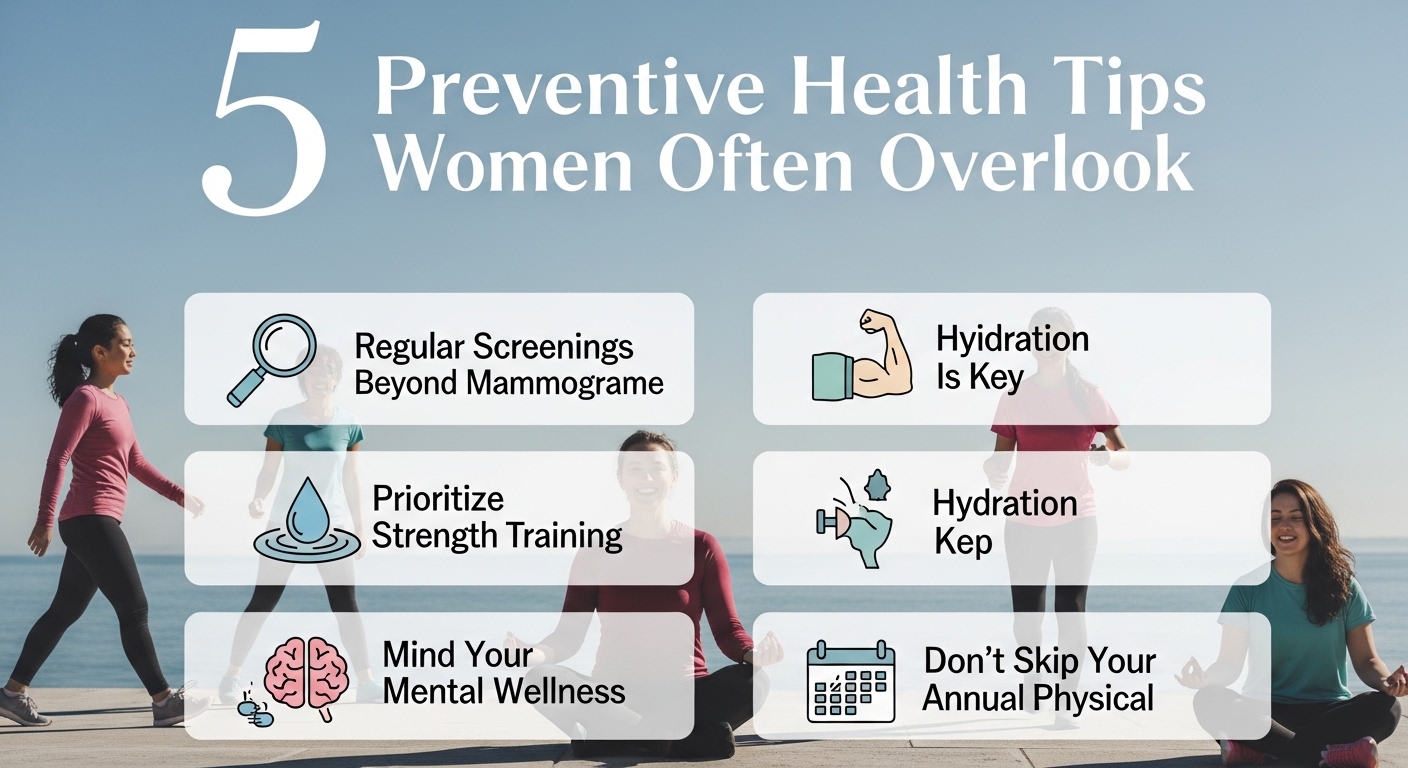
Between juggling career demands and caring for family, women often push their own health needs to the back burner. It’s a pattern that plays out in countless lives: everyone else gets priority, and preventive care falls by the wayside. While most women wouldn’t skip addressing an obvious health concern, several crucial preventive measures quietly slip through the cracks year after year. Understanding these overlooked strategies can make a real difference in long-term health and quality of life.
Regular Bone Density Screening Before Menopause
Here’s something that surprises many women: bone density testing isn’t just for the post-menopausal years. That assumption creates a dangerous gap because osteoporosis often begins its quiet work years before menopause actually arrives. Getting early baseline measurements proves invaluable for tracking how bone density changes over time. If you’ve got risk factors, family history of osteoporosis, lower body weight, smoking, or certain long-term medications, bone density screening in your 40s or even earlier makes solid sense.
Comprehensive Thyroid Function Testing
Thyroid disorders disproportionately affect women, yet countless women live with undiagnosed thyroid problems for years before getting proper treatment. Standard health screenings typically include only basic thyroid tests, which can miss subclinical conditions that substantially impact everything from energy levels to mood. Are you experiencing unexplained fatigue, weight changes that don’t match your diet and exercise, hair loss, mood swings, or unusual sensitivity to temperature? It’s worth requesting comprehensive thyroid panels that go beyond the basics, TSH, Free T3, Free T4, and thyroid antibodies tell a much fuller story. Autoimmune thyroid conditions like Hashimoto’s thyroiditis develop gradually, with symptoms that are frustratingly easy to dismiss as stress or just “getting older.
Preventive Cardiovascular Health Assessments
Heart disease kills more women than any other condition, yet it’s common for women to underestimate their cardiovascular risk and skip important preventive screenings. Part of the problem? Traditional risk assessment tools often underestimate women’s true risk because heart disease shows up differently in women than in men, with unique symptoms and risk factors that don’t fit the classic mold. Having a conversation with healthcare providers about comprehensive cardiovascular assessments matters, cholesterol panels, blood pressure monitoring, diabetes screening, and potentially advanced testing like coronary calcium scoring if you’ve got multiple risk factors. Inflammation markers such as high, sensitivity C-reactive protein can reveal cardiovascular risk that standard cholesterol tests might completely miss.
Mental Health and Cognitive Function Monitoring
Physical health screenings get plenty of attention, but mental health and cognitive wellness often go completely unaddressed until a crisis forces the issue. Women experience depression and anxiety disorders at roughly twice the rate of men, yet too many struggle silently without seeking evaluation or treatment. Regular mental health check-ins should be considered just as essential as physical examinations, particularly during high-stress periods or major life transitions when vulnerability increases. Healthcare providers can use validated screening tools for depression, anxiety, and cognitive function during routine appointments, catching concerns early when interventions work best.
Pelvic Floor Health Evaluation and Strengthening
Pelvic floor health represents one of the most commonly neglected aspects of women’s preventive care, despite affecting millions of women across all age groups. Too many women accept urinary incontinence, pelvic pain, or pelvic organ prolapse as inevitable consequences of childbirth or aging, completely unaware that effective preventive and therapeutic options exist. Pelvic floor assessment by qualified healthcare professionals can identify weakness or dysfunction before symptoms become severe enough to impact quality of life. Proactive pelvic floor strengthening through properly performed exercises, ideally under professional guidance, can prevent numerous complications including incontinence, prolapse, and sexual dysfunction.
Women who’ve given birth, engage in high-impact athletics, deal with chronic constipation, or perform heavy lifting regularly face increased risk of pelvic floor disorders and particularly benefit from preventive interventions. During pregnancy and postpartum periods, women receiving obstetric care in Richmond, VA can work with their healthcare providers to implement targeted pelvic floor strengthening programs that address the unique physical demands of pregnancy and childbirth. Addressing pelvic floor health openly with healthcare providers removes unnecessary stigma and ensures access to effective treatments that can dramatically improve comfort, confidence, and overall wellbeing.
Conclusion
Preventive health care requires intentional attention to areas that often get overlooked but significantly impact women’s long-term wellness. By incorporating bone density screening, comprehensive thyroid testing, cardiovascular assessments, mental health monitoring, and pelvic floor evaluation into regular health routines, women can identify and address potential problems before they escalate into serious conditions requiring extensive intervention. These preventive measures represent smart investments in future health and quality of life, enabling women to maintain vitality and independence throughout all life stages. Taking proactive steps today empowers women to advocate effectively for their health needs and ensures they receive comprehensive care that addresses their unique physiological and hormonal considerations.