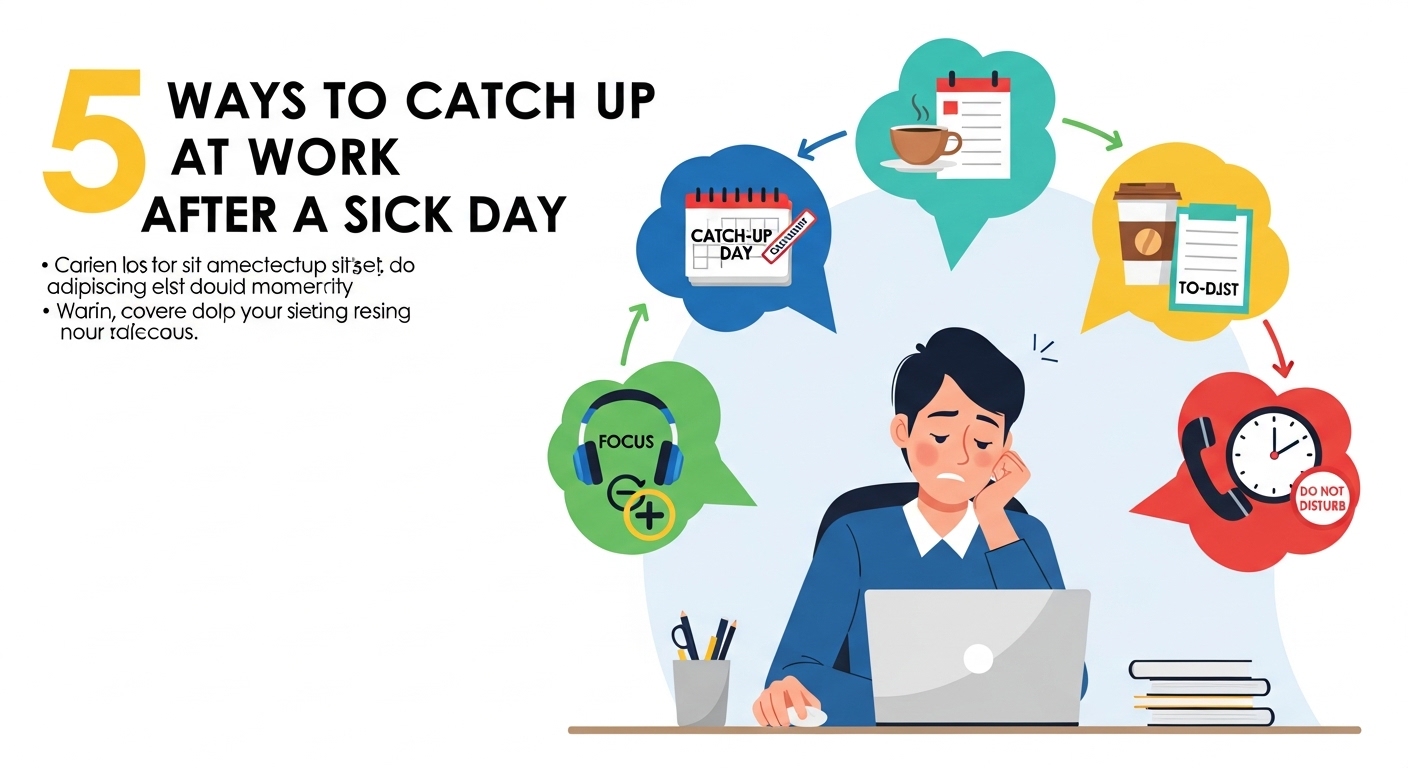
Returning to work after being out sick can feel like stepping into a whirlwind. The emails have multiplied, deadlines may have crept closer, and colleagues have kept projects moving while you’ve been away recovering. Getting back up to speed requires more than just showing up, it calls for a thoughtful game plan and honest expectations about what you can realistically handle. Knowing how to efficiently tackle the catch-up process makes all the difference in reducing stress and helping you regain your rhythm without sacrificing the quality of your work or pushing yourself to the brink of exhaustion.
1. Prioritize Your Task List Before Diving In
Before jumping headfirst into the chaos, taking a moment to assess and prioritize can transform overwhelming confusion into manageable action. Start by creating a complete rundown of everything demanding your attention, emails begging for responses, voicemails waiting to be heard, project updates you’ve missed, and those deadlines that won’t wait. Once everything’s laid out in front of you, organize these items by what’s truly urgent versus what can breathe for a bit using whatever system clicks with your workflow style.
Time-sensitive matters that directly impact other team members or clients deserve your immediate focus. Think about action items with deadlines breathing down your neck, tasks that are holding up someone else’s progress, and messages from supervisors or key stakeholders who need answers. Meanwhile, routine administrative busywork, standard updates, and general FYI emails can comfortably sit on the back burner until you’ve knocked out the critical stuff.
Breaking down intimidating projects into bite-sized, achievable tasks takes the edge off that daunting mountain of work while giving you clear direction for your first day back. This method also lets you set realistic expectations with colleagues who might be waiting on what you’re contributing. Being upfront about what you can reasonably accomplish in those initial days back helps everyone understand the situation and prevents you from overcommitting when you’re still finding your footing.
2. Schedule Brief Check-Ins With Key Team Members
Face-to-face conversations with colleagues reveal context and nuance that emails and reports just can’t deliver. Setting up quick meetings or casual coffee chats with team members helps you rapidly piece together what unfolded while you were out and which priorities have shifted under everyone’s feet. These touchpoints also show your teammates that you’re committed to staying connected and pulling your weight toward team goals, even after the interruption.
Your supervisor or manager should top your list for understanding any major shifts in priorities, deadline adjustments, or new project directions that emerged during your absence. This conversation gets everyone on the same page about expectations for your return and lets you nail down which tasks need your attention right now versus those that can wait their turn. Being honest about your current bandwidth and any lingering health concerns ensures you’ll get the support you need during this transition period.
Touching base with direct reports or project partners fills you in on their progress and any roadblocks they hit while you were away. These conversations also give you a chance to recognize and appreciate their efforts in keeping things running smoothly when you couldn’t be there. When health concerns pop up that need professional attention, seeking timely treatment from urgent care in Punta Gorda can help you avoid prolonged absences and come back to work feeling more confident and ready to contribute.
3. Tackle High-Impact Tasks During Peak Energy Hours
After battling illness, your physical and mental stamina might not be firing on all cylinders yet, which makes smart energy management absolutely crucial for productive workdays. Figuring out when you’re naturally at your sharpest and dedicating those golden hours to your most demanding or important tasks squeezes the most value from your day while giving yourself grace during recovery. This strategy ensures your critical work gets your A-game while less taxing tasks fill in when your energy naturally takes a dip.
Most people hit their stride with heightened focus and crystal-clear thinking during certain windows, often mornings or early afternoons. Guarding these hours for complex problem-solving, big-picture planning, or detail-heavy analytical work harnesses your natural productivity sweet spots. On the flip side, administrative tasks like clearing out routine emails, organizing files, or tidying up your workspace can slide into those afternoon slumps when deep concentration feels harder but you still want to keep the momentum going.
Weaving regular breaks throughout your day supports sustained performance and heads off the kind of fatigue that leads to careless mistakes or sloppy work. Quick walks around the block, stretching at your desk, or simply giving your eyes a rest from the screen helps keep both body and mind in working order. Tuning into what your body’s telling you and pacing yourself accordingly shows self-awareness that pays dividends for long-term health, lowering the chances you’ll have a setback or need even more recovery time.
4. Communicate Proactively About Delays and Adjustments
Being upfront with colleagues and clients about where things stand prevents confusion and keeps professional relationships on solid ground. When your absence has bumped deadlines, reaching out first to discuss revised timelines demonstrates accountability and shows respect for how others are planning their own work. Most reasonable people appreciate honest communication and willingly accommodate sensible adjustments when they understand what’s going on behind the scenes.
Explaining your situation doesn’t mean spilling every personal detail about what knocked you out. A brief, professional heads-up acknowledging how your absence affected things and providing clear information about when deliverables will land strikes the right balance between privacy and professional responsibility. This approach maintains appropriate boundaries while keeping stakeholders in the loop and preserves their confidence in your reliability moving forward.
5. Gradually Increase Your Workload Rather Than Overextending
The urge to immediately snap back to full throttle can backfire spectacularly, tanking your productivity and potentially landing you right back where you started health-wise. A measured approach to ramping back up to your normal workload gives both body and mind the space to fully bounce back while you’re still making solid progress on what matters professionally. This means consciously pumping the brakes on new commitments during those first few days and steadily dialing up your involvement as your energy reserves refill.
Setting achievable daily targets that reflect your current energy reality prevents the frustration and stress that come from falling short of pie-in-the-sky expectations. Celebrating incremental wins and acknowledging forward movement, even if it’s not quite your usual blazing pace, keeps motivation humming and momentum building. Shifting your mindset from “I must catch up completely right now” to “I’m making consistent progress every day” takes the pressure off and supports the kind of productivity you can actually sustain.
Conclusion
Finding your groove again after illness means striking the right balance between getting things done and continuing to take care of yourself with realistic expectations about the process. By prioritizing with intention, communicating openly, and honoring what your body needs during recovery, you can effectively catch up without sacrificing your health or the quality of your output. The approaches outlined here provide a solid roadmap for navigating this in-between period with both confidence and professionalism. Sustainable productivity flows from working intelligently rather than just logging more hours, especially when you’re still on the mend.