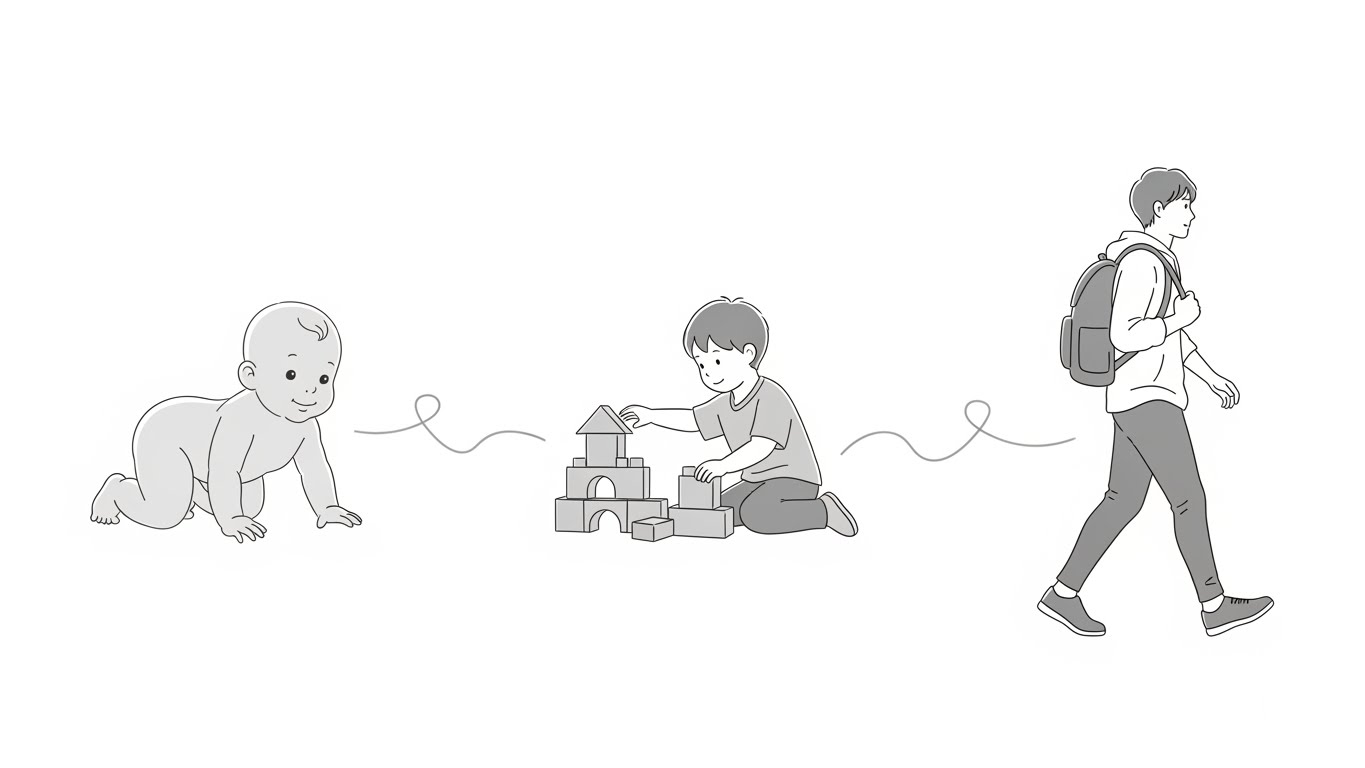
Cerebral palsy is a neurological condition that affects movement, posture, and muscle coordination. The signs and challenges associated with cerebral palsy vary widely depending on the type and severity of the condition. Recognizing cerebral palsy symptoms early is crucial for timely intervention, which can improve long-term outcomes. Symptoms can also evolve as a child grows, making it important for families, caregivers, and educators to understand how cerebral palsy may present across different ages.
Early Signs of Cerebral Palsy in Infants
The earliest cerebral palsy symptoms often appear within the first year of life, although diagnosis may not always occur immediately. Parents may notice delayed motor milestones, such as difficulty rolling over, sitting, or crawling at the expected age.
Other early indicators include abnormal muscle tone—either unusually stiff (spasticity) or overly floppy (hypotonia). Some infants may have poor head control, struggle with feeding, or exhibit unusual reflexes. While these signs can vary, any consistent delays or irregularities in motor development warrant further evaluation by a healthcare professional.
Symptoms in Toddlers and Young Children
As children grow, cerebral palsy symptoms become more apparent in everyday activities. Toddlers may have difficulty walking or balancing, display an unusual gait, or rely heavily on support when climbing stairs. Fine motor skills, such as grasping toys, using utensils, or stacking blocks, may also be delayed or limited.
Speech and communication challenges can emerge during early childhood. Some children with cerebral palsy may have difficulty articulating words clearly due to impaired muscle control in the mouth and face. Others may experience delays in language comprehension or expression.
Additionally, toddlers and young children may show persistent reflexes that typically disappear with age or struggle with coordination and hand-eye movements. Early recognition of these cerebral palsy symptoms allows families and therapists to implement interventions that enhance mobility, communication, and daily functioning.
Symptoms in School-Aged Children
By the time children reach school age, cerebral palsy symptoms often affect academic, social, and physical activities. Motor impairments may make running, jumping, or participating in sports challenging. Children may require mobility aids, such as walkers or braces, to navigate school environments safely.
Occupational difficulties may also be present. Tasks like writing, cutting with scissors, or using a computer mouse can be difficult due to fine motor challenges. Some children may also struggle with concentration or sensory processing, which can impact learning and classroom participation.
Social and emotional symptoms are also notable. Children with cerebral palsy may feel frustrated or self-conscious about their physical abilities, which can affect peer relationships and confidence. Early intervention, therapy, and adaptive strategies can help mitigate these challenges.
Symptoms in Adolescents
Adolescents with cerebral palsy may experience evolving cerebral palsy symptoms as their bodies grow. Muscle stiffness or weakness may become more pronounced, and some individuals may develop secondary conditions such as joint contractures, scoliosis, or chronic pain.
Adolescents may also experience ongoing difficulties with balance, coordination, and endurance. While some may achieve a high level of independence, others may continue to require physical or occupational therapy to maintain mobility and functional abilities.
Communication challenges may persist or become more complex, particularly for those using alternative communication methods. Social and emotional development is also a key area, as adolescents may face challenges related to self-image, social inclusion, and independence.
Adult Symptoms and Long-Term Considerations
In adulthood, cerebral palsy symptoms can continue to affect daily life, though they may change in nature. Muscle tone issues and mobility limitations often persist, and adults may experience fatigue more quickly due to physical exertion.
Secondary health conditions, such as arthritis, muscle pain, or respiratory complications, may develop over time. Adults with cerebral palsy may also face challenges in employment, independent living, and social participation, depending on the severity of their condition.
Ongoing therapy, adaptive technologies, and supportive services play a critical role in maintaining quality of life. For many adults, managing cerebral palsy symptoms requires a combination of medical care, physical activity, and social support to sustain independence and overall wellbeing.
Key Areas to Monitor Across Ages
Across all ages, common cerebral palsy symptoms can be grouped into several key areas:
- Motor Function: Difficulty with movement, balance, coordination, and muscle control.
- Muscle Tone: Stiff, tight muscles (spasticity) or weak, floppy muscles (hypotonia).
- Fine Motor Skills: Challenges with tasks requiring precision, such as writing or using utensils.
- Speech and Communication: Impaired articulation, delayed language development, or difficulty using alternative communication methods.
- Posture and Gait: Abnormal walking patterns, difficulty sitting or standing, and postural imbalances.
- Secondary Health Concerns: Pain, joint problems, fatigue, and potential respiratory issues.
Conclusion
Cerebral palsy symptoms vary widely depending on the individual, type of CP, and severity, but early recognition and intervention are critical for improving outcomes. Infants may show delayed motor milestones and abnormal muscle tone, while toddlers and school-aged children may face challenges with walking, coordination, and fine motor skills. Adolescents and adults may experience evolving symptoms, including mobility limitations, secondary health concerns, and ongoing communication challenges.
Awareness of these signs across different ages enables families, caregivers, and healthcare providers to implement targeted therapies, adaptive strategies, and supportive services. Early and ongoing intervention helps individuals with cerebral palsy develop skills, maintain independence, and improve their quality of life throughout their lifespan.