Quick facts
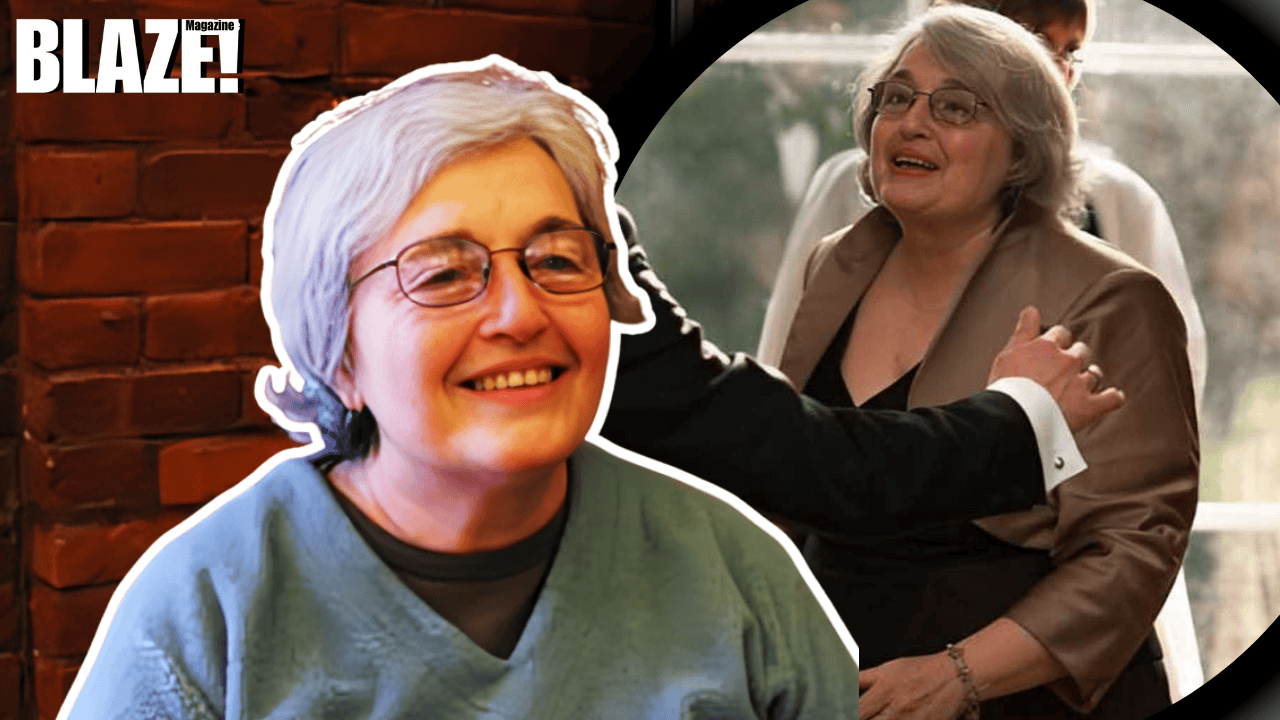
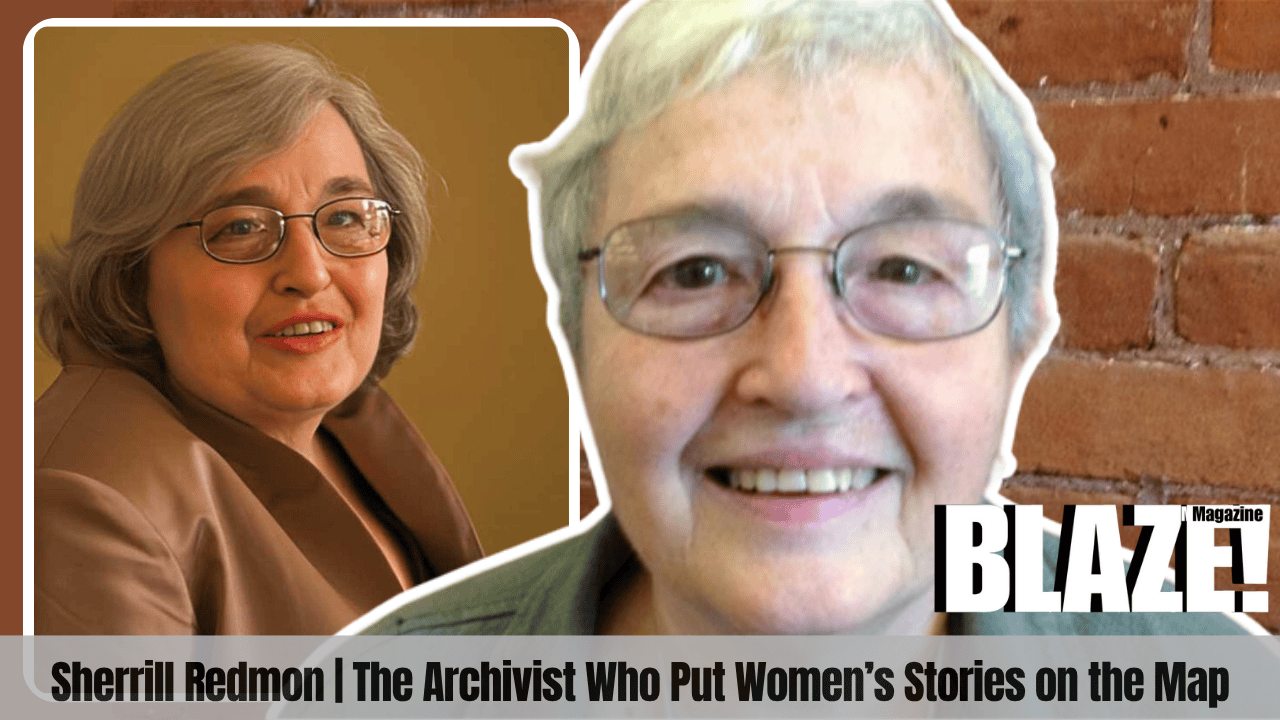
Sherrill Redmon is best known as a historian and archivist who led the Sophia Smith Collection at Smith College and helped preserve women’s voices for future generations.
She holds a Ph.D. in American history and shifted from regional archival work in Kentucky to a national role collecting women’s history.
She was married to U.S. Senator Mitch McConnell from 1968–1980 and is the mother of three children.
During her career at Smith College she focused on expanding collections to include diverse and activist voices, and she worked on oral-history projects that captured firsthand feminist memory.
Sherrill Redmon Biography Summary
| Detail | Information |
|---|---|
| Full Name | Sherrill Lynn Redmon |
| Age | Estimated to be in her late 70s (exact birth year not widely published) |
| Birthplace | Louisville, Kentucky, USA |
| Education | Ph.D. in American History |
| Profession | Historian, Archivist, Former Director of the Sophia Smith Collection |
| Known For | Leading women’s history archives, oral-history preservation work |
| Ex-Spouse | Mitch McConnell (married 1968–1980) |
| Children | Three daughters |
| Net Worth (Estimated) | Around $1–2 million (based on career, public records, archival positions; not officially disclosed) |
| Career Highlights | Expanded feminist archives, developed major oral-history collections, strengthened national women’s history documentation |
| Current Status | Retired from academic work and living privately |
Early life and education
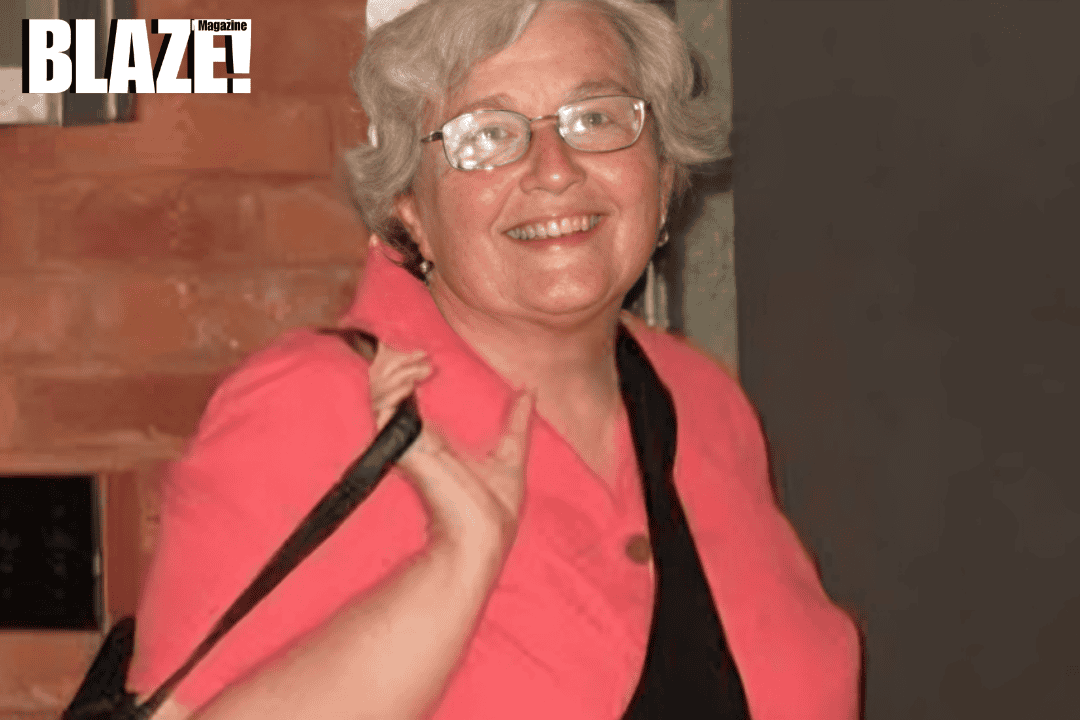
Sherrill Redmon grew up in Louisville, Kentucky, where early interest in history and public records set the stage for her later work as an archivist. Several profiles note her Kentucky roots and academic path toward history.
She completed undergraduate studies and then advanced to doctoral work in American history. That academic training gave her the tools to evaluate primary sources and to understand how personal papers shape public memory.
Think of this phase like learning to read the DNA of the past: the training showed her how small documents — a letter, a flyer, an oral recording — link into a larger story. That approach later guided which collections she prioritized.
Her move from local archives to national-level collections reflected a straightforward aim: make women’s history visible rather than let it remain scattered or ignored.
Career highlights — what she did and why it matters
Sherrill Redmon led the Sophia Smith Collection at Smith College for many years, overseeing major projects, exhibitions, and oral-history work that documented 20th-century women’s activism. Under her leadership the collection celebrated its 65th and 70th anniversaries with public programming and expanded holdings.
Key accomplishments:
- Director of the Sophia Smith Collection — guided acquisitions, cataloging, and outreach that made the archive more accessible to scholars and the public.
- Project director for major grants to process large manuscript groups that document activism and social movements.
- Collaborator on oral-history projects, including work connected to Gloria Steinem’s initiatives, preserving firsthand accounts of feminist organizers.
Why it matters: archives are not neutral storage. Redmon used her role to shift attention to under-documented groups and to make collections reflect real social change. In practical terms, that means researchers now find letters, flyers, and recordings that would otherwise have been lost. “Preserving a life is an act of respect,” a guiding idea that fit her work and quiet mission.
Her career demonstrates a clear pattern: find the gaps, then fill them — so future historians have the building blocks they need.
Day-to-day: what an archivist like Sherrill Redmon actually did
Archivists sort, describe, and protect primary materials; they write guides so others can find material; they secure funding to make collections usable; and they design exhibits and events that connect archives to communities. Redmon did all of the above while steering one of the country’s largest women’s-history repositories.
She also engaged in outreach: conferences, public talks, and collaborative projects that linked activists, scholars, and students. Events celebrating the Sophia Smith Collection’s milestones show the public-facing side of her role.
A practical analogy: if a museum conserves artifacts, an archivist like Sherrill Redmon builds and curates the library of real-life stories that scholars — like detectives — use to reconstruct social movements. Her job turned private papers into public history.
Personal life and public associations
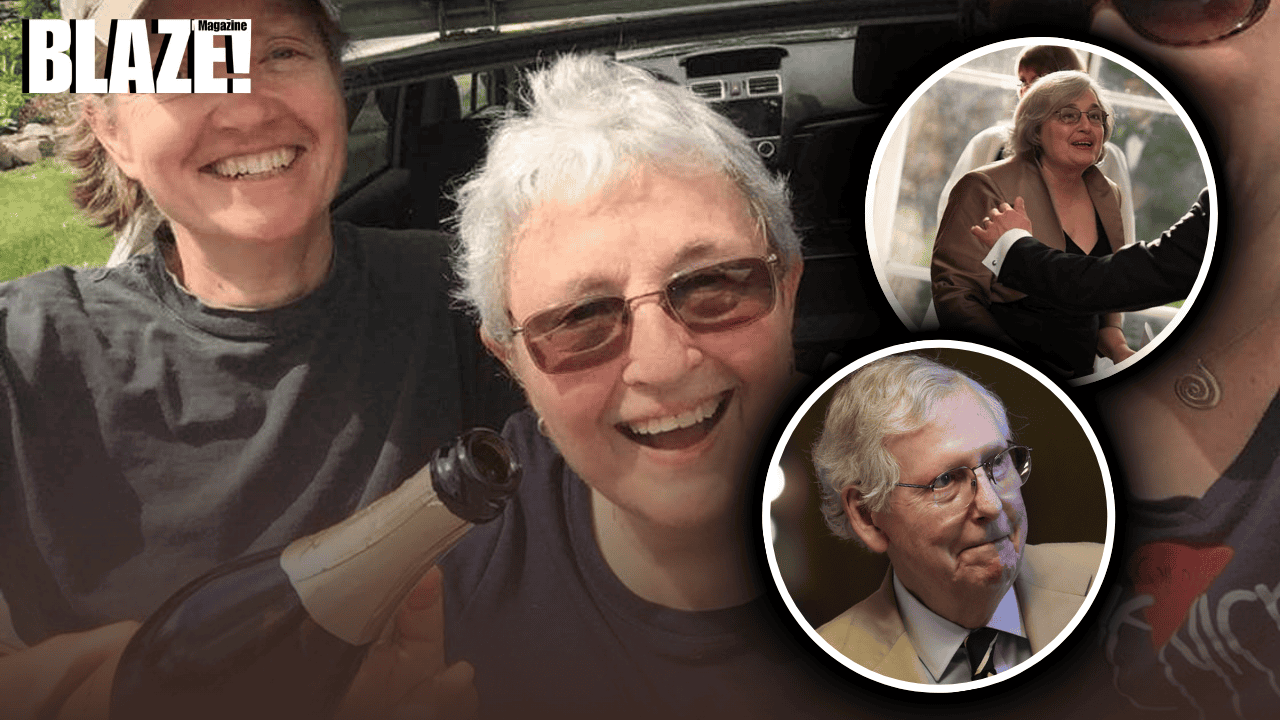
Sherrill Redmon was married to Mitch McConnell from 1968 to 1980 and the couple had three children together. After their divorce she relocated and focused on scholarship and archival work. These facts appear in public biographical records about both Redmon and McConnell.
She kept her professional identity centered on history and archives rather than political life. People who worked with her recall a steady focus on collecting women’s narratives rather than public spectacle. That focus shaped her reputation within the archival community.
Even when public attention briefly turned to her because of her former marriage, her steady body of work at Smith College remained the defining feature of her professional life. “History remembers the people who make it possible for others to speak,” a fitting reflection on the kind of work she practiced.
You may also want to read about Connor Douglas Gilliland, whose family background and early life have drawn similar public interest.
Legacy — the practical difference Sherrill Redmon made
The archives she helped build and diversify now support scholarship across gender studies, social movements, and cultural history. Students, journalists, and authors rely on the Sophia Smith Collection to find primary evidence. That practical impact — enabling future research — is her clearest legacy.
Two concrete outcomes of her leadership:
- More diverse collections that document activists of varied backgrounds, closing gaps in the historical record.
- Public programming and oral histories that preserve voices otherwise absent from mainstream archives.
If you want a single-sentence takeaway: Redmon made women’s history more complete and more discoverable — and that changes what future generations will know about the past.
Real-life example to show the value
Imagine a scholar writing about reproductive-rights organizing in the 1970s. Without processed collections and oral histories, that researcher might rely only on newspaper reports and official records. Thanks to archivists like Sherrill Redmon, the scholar can read letters between organizers, listen to recorded interviews, and see flyers that show how grassroots campaigns worked on the ground. That direct evidence changes the story from a single headline into a lived history.
This practical benefit — turning fragments into context — is why archival choices matter. Redmon repeatedly prioritized materials that widened understanding, rather than narrow or elite accounts.
Practical takeaways for readers
- If you care about history, support archives: funding and donations matter because they preserve materials and make them accessible.
- When researching social movements, look beyond newspapers — check oral histories and manuscript collections for richer detail. The Sophia Smith Collection is a prime example.
- Archivists shape history: the choices they make about what to collect decide which stories future generations can tell. Sherrill Redmon’s career shows why those choices should be inclusive.
For related reading, explore the story of Sally Rychlak, known for her own unique public profile.
Final note
Sherrill Redmon built a career focused on listening to people and preserving their records. Her steady work at the Sophia Smith Collection transformed scattered documents into enduring history: small acts of care that keep important stories alive. “A record kept is a voice kept,” and that simple principle lies at the heart of her legacy.