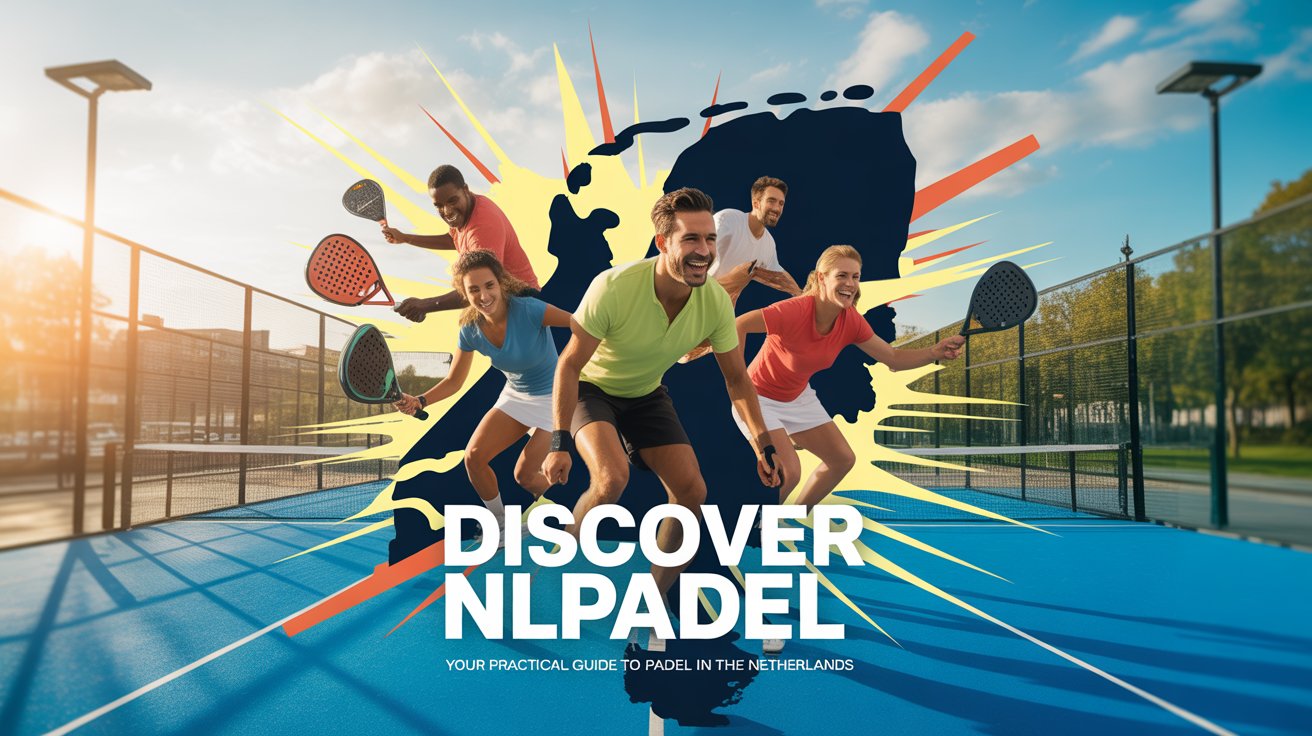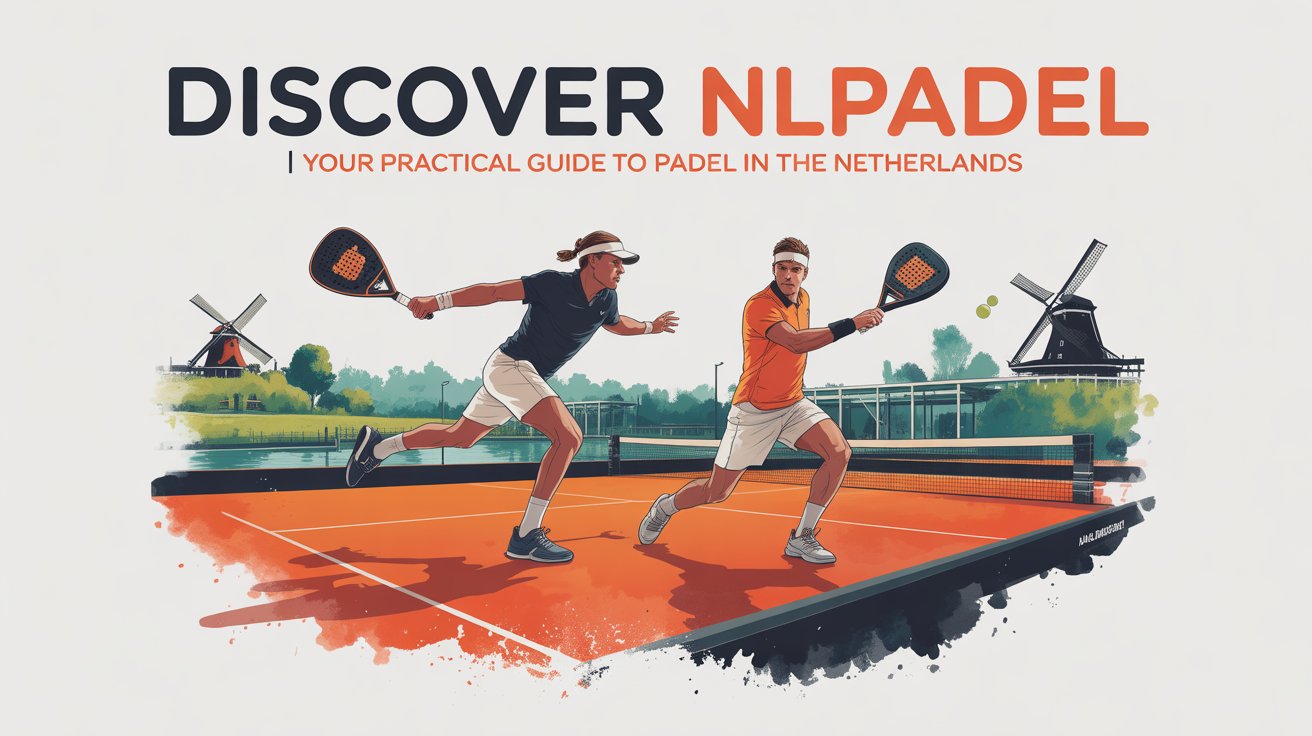
Nlpadel describes the organized, public-facing world of padel in the Netherlands — the clubs, tournaments, coaching, court builders and grassroots energy that together have turned a niche sport into a mainstream pastime.
Padel itself blends tennis and squash: four players, solid paddles, glass-walled courts and a focus on strategy and volleys rather than long baseline rallies.
In the Dutch context, Nlpadel often appears as the label for official programs, national events and the way local clubs promote padel through the Royal Dutch Lawn Tennis Association (KNLTB). If you see “NLPadel” online or on event posters, it usually links back to national organising efforts and calendar items.
“Padel arrived in the Netherlands as a social, accessible cousin to tennis — easy to pick up, addictive to play, and quick to turn into community.”
— a paraphrase of how local organizers describe the sport’s appeal.
Why Nlpadel matters right now
Padel ranks among the fastest-growing sports in Europe, and the Netherlands shows steep local growth: new courts, more clubs, and national promotion through KNLTB and dedicated events. This growth changes how people exercise, meet friends, and join clubs.
Organisers use Nlpadel branding to centralize events, training pathways and big public tournaments — bringing visibility and sponsorship to the sport, and making it easier for beginners to find a first court or class. Expect city-based events and national showcases.
Beyond fun and fitness, Nlpadel drives local business: court construction companies, coaching services, and equipment retailers all invest more as demand rises. That creates job opportunities and makes padel easier to access across towns and cities.
Where to play: courts, clubs and major events
Finding a court is easier than two years ago. The KNLTB and national directories list hundreds of padel courts and affiliated clubs across the country. Use the national portal to search locations and book sessions.
Commercial builders such as Padel Nederland design modular, sustainable courts and install both indoor and outdoor options — that’s part of why infrastructure has expanded so fast. If a city has growing demand, a modular court often appears next.
Big events also help: national showcases and international tournaments attract top players to Dutch venues. For example, major padel weeks and tournaments take place in arenas such as Rotterdam Ahoy — great for watching high-level matches and sampling the atmosphere.
Local universities and sports centres now offer courses and weekly social sessions, which makes it simple to try padel without a steep cost or long-term commitment. University courses often double as low-pressure entry points for new players.
How to start: gear, booking and your first session
You only need three things to begin: a paddle, basic sports shoes (not hard-soled indoor trainers), and a place to play. Beginner paddles are affordable and widely sold online and in local sports stores. Nlpadel–friendly shops stock beginner kits and offer advice on racket choice.
Booking systems vary by club. Many use online reservation platforms linked from the KNLTB or club pages. If you’re new, check for “beginner” or “foundation” sessions — clubs often reserve slots and offer group lessons to welcome fresh players.
First session tips: arrive 15 minutes early, wear comfortable non-marking shoes, and tell your host you’re new. Most clubs pair beginners with other learners and provide a quick rundown of basic rules and court etiquette. Expect friendly, social play rather than harsh competition. (That social side is a hallmark of Nlpadel.)
Want to try before you buy? Many clubs lend demo paddles or let you borrow a racket for one or two sessions. Ask the front desk. This makes the leap into the sport low-risk and low-cost.
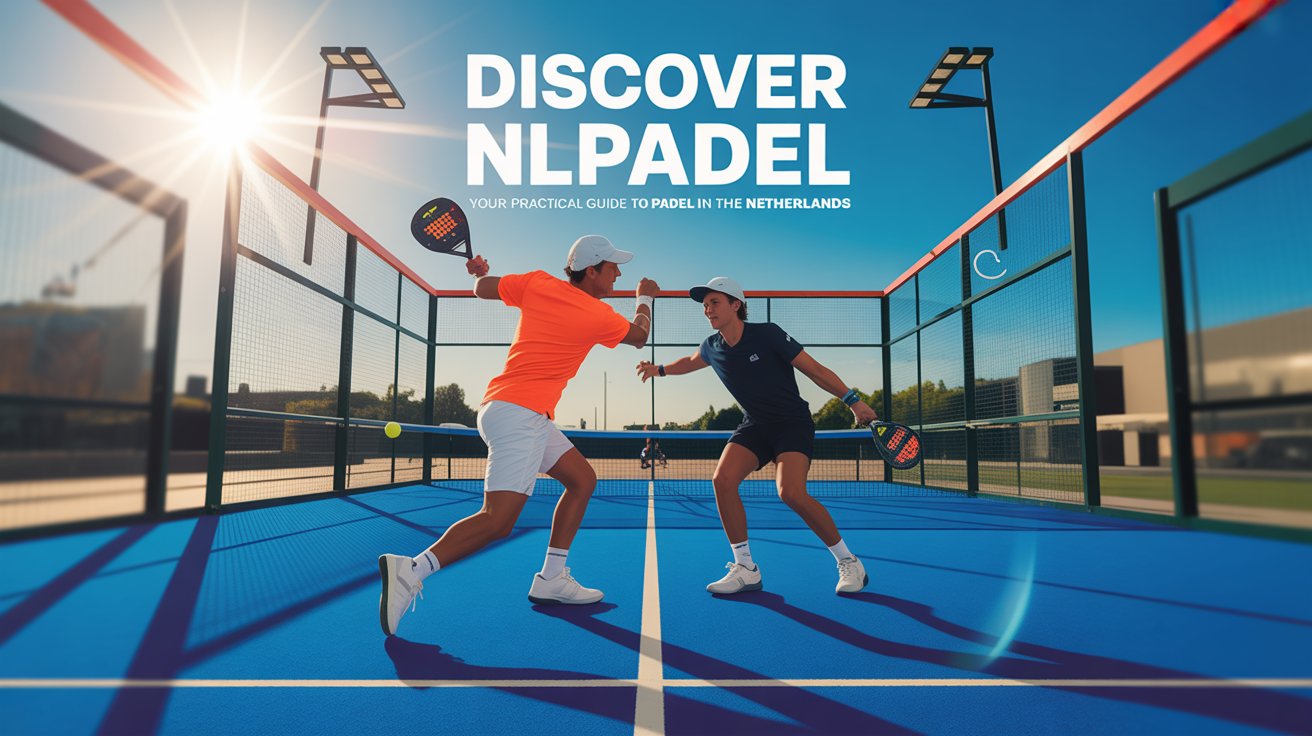
Coaching, progression and player pathways
Nlpadel isn’t just social play — the national structure supports coaching pathways, youth programs and competitive circuits for those who want to improve. The KNLTB lists certified coaches and courses that help players move from beginner to competitive levels.
Clubs usually run tiered programmes: beginner classes, intermediate drills, matchplay groups and small-team leagues. If you enjoy regular play, join a ladder or club night to sharpen match instincts quickly. The social format speeds learning — you get repetitions with feedback from teammates and coaches.
For ambitious players, national and regional tournaments provide clear targets. Local tournaments and city leagues feed into larger events; the more you play, the faster you’ll find suitable practice partners and competition. Nlpadel systems help with entries and seeding.
Community and culture: why people love Nlpadel
Padel thrives on being social. Many players say a session feels like a friendly, active hangout rather than a solo workout. Clubs often follow up matches with drinks or a quick chat — that community feel keeps people coming back. “It’s the easiest way to make sporty friends,” many Dutch players report.
Because courts are smaller than tennis courts and the net play matters more, beginners score rallies quickly and feel progress after a few sessions. That immediate sense of improvement fuels motivation and membership growth. Nlpadel events emphasize accessibility for all ages.
Analogous to cycling clubs or neighborhood football teams, padel clubs become social hubs: weekend matches, mixed doubles nights, and club championships create rituals that build a lasting community. If you like being part of a group rather than training alone, padel usually fits you well.
Curious about proper naming rules beyond sports? Check out why Lake Texoma Should Be Capitalized — a quick guide on capitalization that clears common doubts.
Tech, innovation and the “smart” side of Nlpadel
A new wave of tools — from performance trackers to connected rackets — is entering padel. Some projects and startups brand themselves around “NLPadel” as an innovation hub for sensors, video analysis and AI coaching. These tools help players measure shot speed, placement and rally patterns.
Clubs and coaches occasionally use video analysis and data-driven drills to help players focus on specific weaknesses. For example, smart-racket metrics can show you where you consistently miss volleys or how your smash power evolves week-to-week. That’s useful for club players aiming to level up without expensive one-on-one hours.
Court builders also embrace durability and sustainability. Companies in the Netherlands emphasize modular, recyclable materials and efficient installation to meet faster demand while keeping energy and waste lower. That’s part of the Nlpadel story: growth driven with practical operational planning.
Quick starter checklist
- Book a beginner session through your local club or the KNLTB portal.
- Borrow a demo paddle on your first visit if available; don’t buy an expensive racket immediately.
- Wear non-marking indoor shoes and comfortable sportswear.
- Arrive early, ask for a beginner group, and say you’re new — clubs will pair you correctly.
- Try a mix of lessons and social matches to speed progress.
A simple real-life analogy
Think of taking up Nlpadel the same way you might join a running club. You show up to a friendly group, someone explains a few basics, you get immediate encouragement and structure, and within weeks you run longer or better than when you started. Padel offers the same accelerant: short learning curves, instant rallies, and lots of social reinforcement. That combination is why people stick with it.
Final practical tips and next steps
If you live in the Netherlands and are curious: search Nlpadel or KNLTB pages for nearby clubs, check local court availability, and sign up for a beginner session this week. Try one lesson and one social session in your first month — that split reveals both technique and the social reality of the sport.
If you want to go deeper, watch a national event (many are public or ticketed) to see high-level movement and shot selection. Seeing top players in person is motivating and shows what drills to practice back at your club. Events are also excellent places to meet coaches, suppliers and fellow enthusiasts.
Nlpadel is a practical, social and fast-growing gateway into racket sports in the Netherlands. Try a session, meet the community, and let the game surprise you — most players find getting hooked happens faster than they expect.
If you love exploring new places, you might also enjoy our feature on To Visit Vuzillfotsps — a fresh travel insight worth reading next.