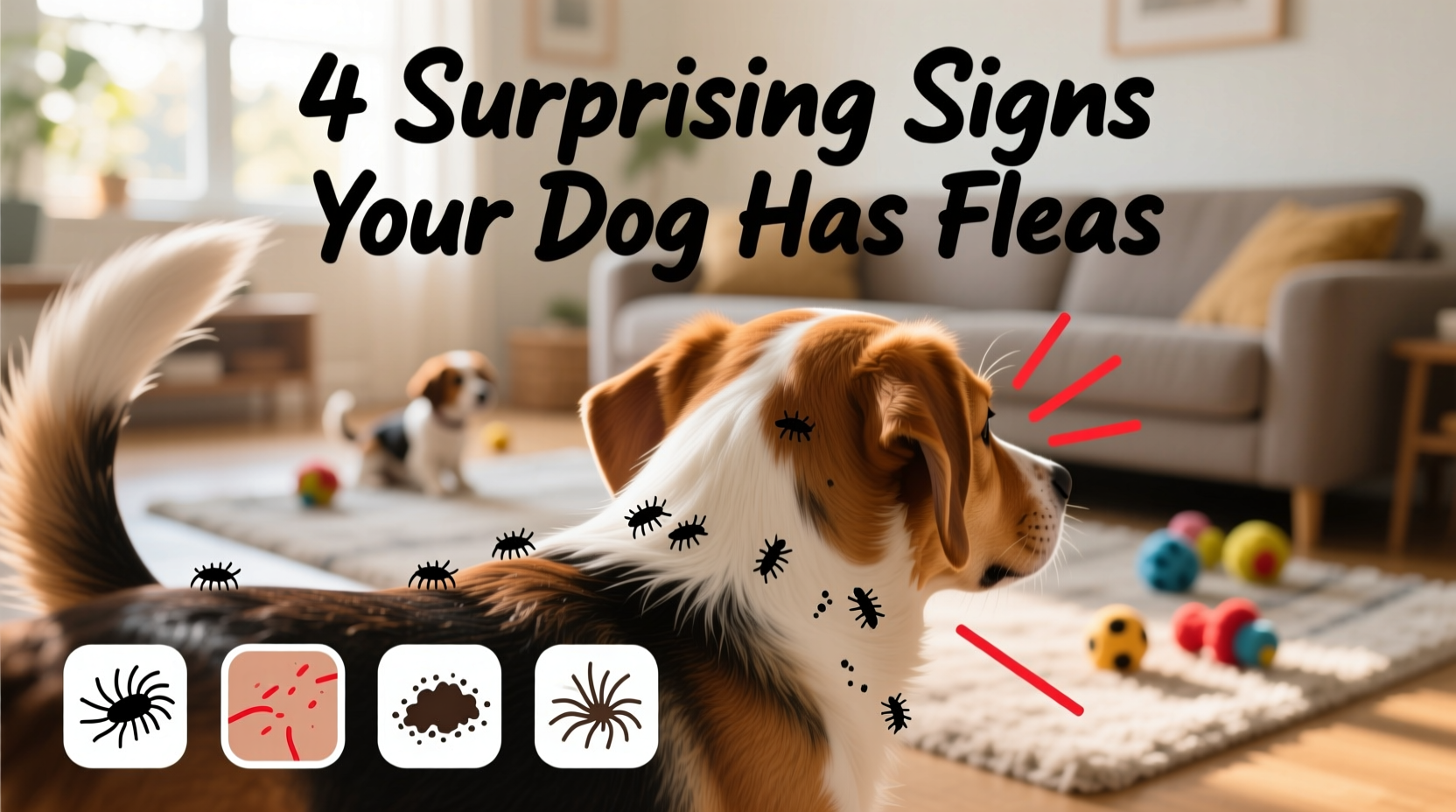
Being vigilant about your pet’s health involves recognizing subtle indicators of common issues, and fleas remain particularly elusive adversaries. These tiny parasites can affect your dog, yet they excel at concealing their presence. Many dedicated pet owners might overlook the initial signs of a flea problem, making it crucial to understand the subtle signals your dog might display. Here are four surprising signs your dog has fleas.
1. Unusual Changes in Behavior and Movement
Your typically relaxed dog might transform into an anxious ball of energy, signaling more than mere excitement. Dogs experiencing flea issues often exhibit unexpected behavioral changes that might not immediately suggest a problem. They often find it challenging to rest at night, frequently shift their position, or develop persistent scratching habits. Your dog may endure significant discomfort when battling these parasites, leading to increased restlessness and movement throughout their day. Even the most gentle-natured dogs might show signs of irritability, particularly when touched near their lower back or tail area, as these regions often bear the brunt of flea activity.
2. Mysterious Skin Changes and Hot Spots
Your dog’s skin serves as a window into their overall well-being, with flea infestations leaving distinctive marks on this living canvas. Watch for small, raised bumps appearing seemingly overnight, especially around the neck, tail base, and belly areas. These spots can rapidly evolve into what veterinarians identify as “hot spots,” which are inflamed, reddened areas that might appear moist or develop crusty patches. Many pet owners discover that regular professional dog grooming in Deland, or in their local areas, prove invaluable in detecting these skin issues early, as skilled groomers can identify potential flea-related concerns during thorough coat examinations.
3. Changes in Coat Appearance and Texture
Fleas establishing themselves in your dog’s fur can create significant changes in their coat’s overall appearance. The most noticeable signs include patches where hair has thinned or fallen out completely, while the previously glossy coat transforms into a dull, lifeless appearance. These parasites often cause specific areas to develop a distinctive moth-eaten pattern, particularly around the base of the tail and lower back regions. As the flea problem continues, the impact on your dog’s coat health becomes increasingly apparent, with the texture undergoing noticeable changes that worsen with time. The fur frequently displays scattered dark spots or clumped sections, which arise from a combination of flea waste matter and dried blood droplets where the insects have been feeding. The ongoing skin irritation prompts many dogs’ bodies to respond by producing excess natural oils, resulting in an unusually greasy or oily coat texture. This increased oil production can make the fur appear wet or stringy, even when completely dry. The affected areas might feel different to the touch, with some sections becoming rough or scaly while others develop an unusually smooth or slick texture. These changes in coat condition serve as clear indicators of flea presence and the resulting discomfort your dog experiences, making regular coat inspection an important part of pet care.
4. Unexpected Eating and Sleeping Pattern Changes
Your dog’s daily routines can signal flea-related issues well before physical symptoms become noticeable. A dog dealing with a serious flea problem might show changes in their regular eating habits, as the constant irritation affects their normal behavior. The way your pet sleeps often provides clear signs of flea infestation, since these unwanted parasites make it difficult for dogs to rest comfortably through the night. A previously sound-sleeping dog might suddenly become restless after dark, pacing around the house in search of relief. You might notice them abandoning their usual sleeping spot in favor of unusual locations, like moving from a plush bed to sleeping on cold tile floors or seeking out dark corners of the house. These behavioral changes stem from their natural attempts to escape the discomfort caused by fleas. The combination of altered eating patterns and disrupted sleep serves as an early warning system, alerting attentive pet owners to potential flea problems before more obvious symptoms develop.
Conclusion
Attentiveness to subtle indicators of flea presence plays an essential role in maintaining your dog’s health and comfort. While certain warning signs might appear unrelated to flea issues, early recognition of these connections enables swift intervention before situations escalate.